Sacai’s Chitose Abe Unveils Strategic Duality in Spring Collections, Prioritizing Distinct Narratives and Wearability

In a notable departure from conventional fashion presentation norms, Chitose Abe, the visionary founder and creative director of Sacai, strategically bifurcated her latest seasonal offerings. For the spring season, Abe presented her menswear collection through a dedicated, stand-alone show during Paris Men’s Fashion Week, while her women’s resort collection was unveiled separately within the intimate setting of a showroom. This strategic decision, as articulated by the designer herself, was born from a desire to narrate two distinct creative stories—each given its singular spotlight and undivided attention—rather than attempting to coalesce them onto a single runway. This move marks a significant evolution in Sacai’s presentation strategy, reflecting both creative intent and a pragmatic understanding of market demands.
A Deliberate Deviation from Convention
The decision to separate the presentations represents a thoughtful recalibration of Sacai’s approach to the seasonal fashion calendar. Historically, Sacai, like many contemporary luxury brands, often integrated elements of menswear and womenswear within a single, cohesive runway show, aiming to showcase a unified brand vision. However, for the current season, Abe expressed a clear intent to foster unique identities for each line. The menswear segment, typically presented during the dedicated men’s fashion weeks, took its place on the runway, allowing for the grand, theatrical reveal characteristic of high-fashion shows. The women’s resort collection, by contrast, adopted a more intimate, buyer-focused showroom presentation, a format often favored for its commercial efficacy and direct engagement with retail partners.
Abe candidly conveyed her rationale during an interview, stating her desire to alleviate the inherent pressure associated with designing "high-impact, ‘runway clothes’" specifically for women. Instead, her focus for the women’s resort collection was squarely on crafting "easy, wearable pieces" that resonate with the everyday wardrobe. This pragmatic perspective underscores a broader industry trend where designers are increasingly balancing avant-garde runway theatrics with commercially viable, ready-to-wear collections. Moreover, presenting a resort collection as a stand-alone entity is widely recognized within the industry as a more effective sales strategy. Resort collections, designed to bridge the gap between main seasonal drops, often remain on retail floors for extended periods and cater to diverse climates and travel needs, making their distinct presentation a logical commercial choice. This strategic shift not only offers greater creative freedom to explore specific themes for each gender but also optimizes the commercial outreach for different retail cycles, ensuring each collection receives tailored attention from buyers and press.
Menswear: Subverting Classicism with Sacai’s Signature Edge
The menswear collection, showcased with its customary flair on the Paris runway, delved into the rich tapestry of classic silhouettes, albeit through Sacai’s inherently subversive lens. Chitose Abe’s genius lies in her ability to deconstruct familiar archetypes and reassemble them into something entirely new, yet recognizably her own. This season, the menswear offering drew heavily from two distinct, potent influences: the refined, often conservative aesthetic of 1980s preppy style and the robust, functional design language of military-flecked outerwear.
Abe masterfully blended these seemingly disparate elements, creating garments that challenged conventional notions of menswear. Imagine classic collegiate blazers spliced with technical nylon panels, trench coats reimagined with unexpected volume and utilitarian pocket configurations, or bomber jackets integrated with the structured tailoring of a suit jacket. The collection was replete with Sacai’s signature hybridization, where a cable-knit sweater might feature unexpected zippered vents or a denim jacket could be layered and fused with elements of a military parka. The color palette likely mirrored this blend of classicism and utility, featuring muted navies, khakis, greys, and blacks punctuated by occasional bursts of color often seen in sportswear. This exploration of subverted classics not only appealed to Sacai’s loyal following but also attracted new admirers seeking garments that offered both familiarity and a refreshing, intellectual twist. The runway format provided the ideal platform for these complex, layered narratives, allowing the intricate details and innovative fabric pairings to be fully appreciated by critics and buyers alike.
Women’s Resort: Embracing Refined Practicality and Quiet Statements
In stark contrast to the performative energy of the menswear runway, the women’s resort collection presented a different facet of Sacai’s aesthetic—a "palate-cleanser" that emphasized practicality, movement, and an understated elegance. This collection was a deliberate move towards preserving and refining traditional silhouettes, adapting them for an everyday wardrobe with an emphasis on comfort and effortless style. It spoke to a growing consumer desire for "quiet luxury"—high-quality, well-designed pieces that prioritize longevity and wearability over overt branding or transient trends.
The lineup was characterized by its thoughtful construction and functional details. Looks included playful yet practical miniskirts designed with integrated shorts underneath, offering both style and ease of movement. Trousers and skirts featured utilitarian pockets and adjustable straps, blending a sense of adventure with sophisticated tailoring. A standout element was a series of white blouses, reimagined with sculptural sleeves that added a touch of drama without sacrificing wearability, often paired with flowing scarves at the neck, lending an air of sophisticated fluidity.
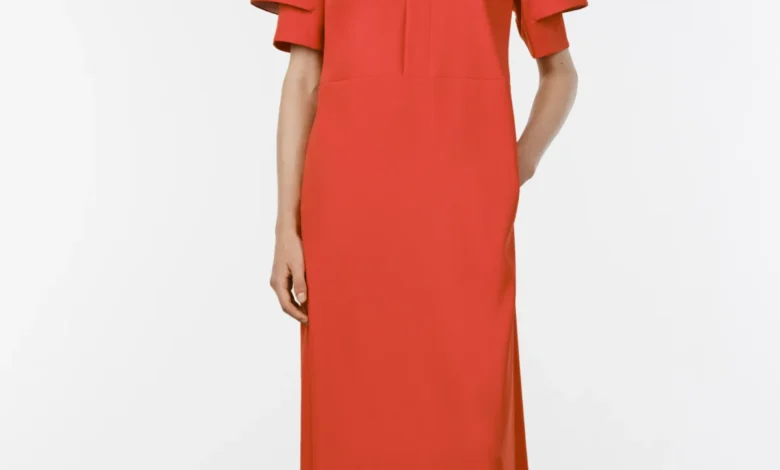
Abe envisioned pieces that could effortlessly navigate the demands of urban life or sophisticated travel. Silky, printed dresses, adorned with subtle scarf details at the shoulder, promised elegant comfort for warmer climates. Striped shirtdresses with classic polo collars offered a relaxed yet polished aesthetic, perfect for various occasions. The collection also featured faded black denim skorts and matching jackets, elevated by Sacai’s dramatic, rounded sleeve constructions—a subtle nod to the brand’s signature volume, integrated into eminently wearable pieces. Each garment, while seemingly simpler than Sacai’s more elaborate runway creations, carried the hallmark of Abe’s meticulous attention to detail and innovative pattern-making, demonstrating that a "quieter" statement can be just as impactful. This focus on refined practicality tapped into a significant market segment seeking versatile, high-quality garments that seamlessly integrate into a modern lifestyle.
Strategic Collaborations: Reinforcing Function and Style
Sacai’s reputation has been significantly bolstered by its frequent and impactful collaborations, which serve as a testament to Chitose Abe’s ability to merge her distinct design philosophy with diverse brand identities. This season, the collaboration with Birkenstock for both footwear and accessories perfectly encapsulated the resort collection’s emphasis on practicality, comfort, and refined utility. Birkenstock, a brand historically synonymous with anatomical comfort and functional design, has in recent years experienced a significant resurgence within high fashion, partnering with esteemed labels such as Dior, Manolo Blahnik, and Proenza Schouler. This strategic alignment underscores a broader industry shift where comfort is no longer sacrificed for style but rather integrated as a core design principle.
For the footwear component, Abe reimagined Birkenstock’s iconic sandal styles, fusing different models to create hybrid designs. These new iterations featured additional straps and supersized buckles, injecting Sacai’s distinctive flair while retaining Birkenstock’s renowned comfort. The result was a collection of sandals that were both inherently practical for everyday wear and fashion-forward, offering a compelling blend of utilitarian luxury. These collaborative sandals became the ideal accompaniment to the resort collection’s relaxed yet sophisticated garments, grounding the looks in an undeniable sense of ease.
Beyond footwear, the collaboration extended to a shoulder bag, also co-created with Birkenstock. This accessory ingeniously integrated elements recognizable from the German brand, featuring an exterior bottom designed to resemble Birkenstock’s signature bone-pattern outsole. The bag was finished with an adjustable strap adorned with Birkenstock’s characteristic square buckle, reinforcing the theme of functional design. This collaboration exemplifies a high degree of synergy; Sacai brings its avant-garde sensibility and deconstructive approach, while Birkenstock contributes its legacy of comfort and ergonomic design. The partnership not only offered tangible, desirable products but also reinforced the overarching narrative of the resort collection: fashion that prioritizes real-world utility without compromising on aesthetic appeal. This pragmatic approach to luxury accessories is highly appealing to today’s discerning consumer, who seeks both style and substance in their purchases.
The Evolving Landscape of Fashion Presentations
Chitose Abe’s decision to bifurcate her spring presentations is not an isolated incident but rather indicative of a broader, ongoing re-evaluation of the traditional fashion calendar and show formats within the industry. The established rhythm of biannual fashion weeks, once immutable, has been increasingly challenged by designers seeking greater creative autonomy, commercial efficiency, and more direct engagement with their audiences. The global disruptions of recent years, particularly the pandemic, accelerated these discussions, prompting many brands to experiment with digital showcases, smaller presentations, or a complete overhaul of their seasonal delivery schedules.
Sacai’s move highlights several key trends. Firstly, it underscores the increasing commercial importance of resort collections. Positioned between the main Spring/Summer and Autumn/Winter seasons, resort wear often boasts a longer selling window and caters to a global clientele with diverse travel needs, making a dedicated, commercially-focused presentation highly advantageous. Retail buyers can place orders earlier, allowing for more strategic merchandising. Secondly, it reflects a desire for creative focus. By separating menswear and womenswear, Abe grants each collection the space to develop its own distinct narrative and aesthetic without the pressure of having to coalesce into a single, overarching theme for a combined show. This allows for a deeper dive into specific inspirations, whether it’s the subversion of preppy and military styles for men or the refined practicality for women.
Moreover, this strategic shift allows Sacai to fine-tune its brand positioning. The menswear show in Paris maintains Sacai’s reputation for avant-garde design and conceptual fashion, appealing to critics and fashion enthusiasts who appreciate the theatricality of a runway presentation. Simultaneously, the women’s resort collection, presented in a more accessible showroom format, caters directly to the commercial imperatives of retail, emphasizing wearability and sales potential. This dual approach allows Sacai to maintain its creative edge while expanding its commercial appeal and addressing the diverse needs of its global customer base. Such calculated adaptations are becoming more prevalent as luxury brands navigate a complex market that demands both innovative design and robust commercial viability.
Chitose Abe’s Enduring Vision
At the heart of Sacai’s continuous evolution remains Chitose Abe’s singular and enduring vision. Since founding Sacai in 1999, Abe has consistently championed a design philosophy rooted in hybridization, deconstruction, and the unexpected juxtaposition of familiar elements. Her training under Junya Watanabe at Comme des Garçons instilled in her a profound understanding of pattern-making and a fearless approach to garment construction, qualities that continue to define Sacai’s aesthetic. Even as she diversifies her presentation strategy and emphasizes commercial wearability, the intrinsic Sacai DNA—a sophisticated blend of sportswear, utility, and high fashion—remains unmistakably present.
The spring collections, with their distinct narratives for menswear and women’s resort, serve as a testament to Abe’s ability to innovate while remaining true to her core principles. The menswear offered the intellectual subversion and intricate layering for which Sacai is renowned, while the women’s resort collection provided a refreshing, quieter statement focused on refined practicality. The strategic collaborations with Birkenstock further solidified this narrative of functional luxury, seamlessly integrating comfort and utility into high fashion. By carefully segmenting her presentations, Chitose Abe has not only optimized Sacai’s commercial strategy but has also granted herself and her team the creative latitude to explore different facets of the brand’s identity with unparalleled clarity. This forward-thinking approach ensures that Sacai continues to resonate powerfully within the global luxury market, balancing creative integrity with a keen awareness of consumer desires and industry dynamics.