Spinnova eyes strategic integration with proposed acquisition of Portuguese yarn specialist Tearfil as financial restructuring begins

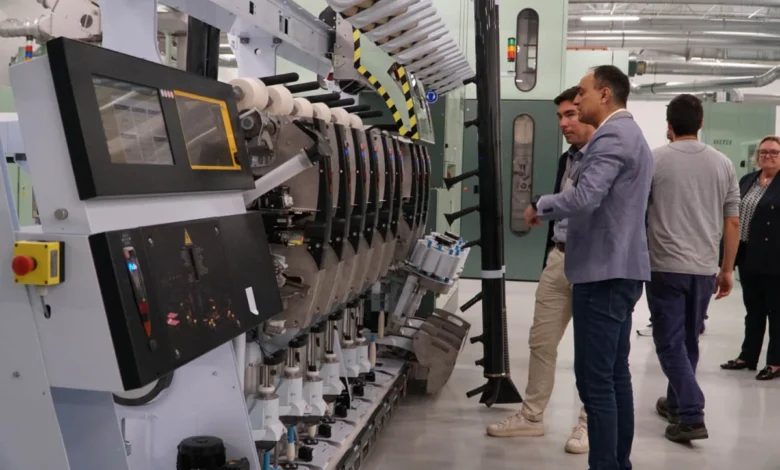
In a move designed to secure a critical link in its supply chain, Finnish sustainable fibre technology leader Spinnova has announced a non-binding letter of intent to acquire the Portuguese yarn manufacturer Tearfil. The proposed deal, valued at €500,000, comes at a pivotal moment for the Portuguese firm, which has recently entered a court-supervised restructuring process following a period of significant financial volatility. As part of the preliminary agreement, Spinnova has committed to providing a €1.5 million bridge loan to stabilize Tearfil’s operations, ensuring the continued viability of a partnership that has become fundamental to the development of Spinnova’s proprietary, eco-friendly textile fibres.
The Financial Landscape: A Need for Stabilization
The announcement follows a challenging fiscal year for Tearfil, a company that has historically served as an R&D hub for the textile industry in Portugal. According to financial disclosures, the company’s turnover saw a sharp contraction in 2025, falling by approximately 34% to €8.6 million, down from €12.9 million in 2024. This decline was accompanied by a widening loss, which ballooned to €3.27 million from a deficit of €448,000 in the previous year.
At the close of 2025, Tearfil’s balance sheet reflected considerable pressure, with short-term liabilities totaling €7.9 million and long-term debt standing at €5 million. These figures prompted the company to initiate a Processo Especial de Revitalização (PER), a Portuguese legal mechanism that allows businesses in financial distress to negotiate recovery plans with creditors under judicial oversight, provided the entity is not yet insolvent.
Spinnova’s intervention via the €1.5 million bridge loan is intended to cover essential working capital and maintain daily operations during the restructuring phase. The loan, which carries an interest rate of the 12-month Euribor plus 2%, is structured to mature one year after issuance, though it includes exit clauses that allow Spinnova to seek early repayment should the acquisition plans fail to materialize.
Strategic Rationale: Moving Downstream
For Spinnova, the acquisition is less about traditional corporate expansion and more about vertical integration. The Finnish company specializes in a unique, chemical-free process that transforms wood pulp and agricultural waste into high-quality textile fibres without the use of harmful solvents common in viscose or lyocell production.

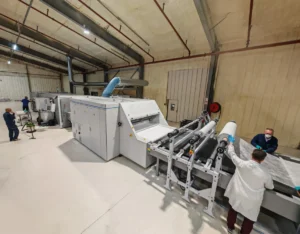
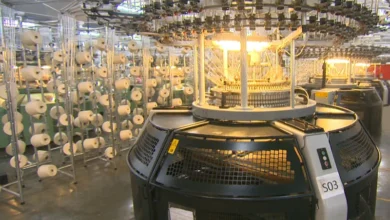
However, transforming raw, sustainable fibre into commercially viable yarn requires specialized machinery and technical expertise. Tearfil has served as the primary testing ground for this conversion process, successfully bridging the gap between Spinnova’s laboratory breakthroughs and the demands of large-scale textile manufacturers. By bringing these capabilities in-house, Spinnova aims to exert greater control over the quality, consistency, and speed of its supply chain.
Industry analysts suggest that this shift marks a broader trend in the sustainable materials sector. As companies move beyond the "proof of concept" phase, they are increasingly finding that the existing textile infrastructure—built for conventional materials like cotton or polyester—is not always optimized for next-generation bio-based fibres. Owning the spinning technology allows Spinnova to iterate more rapidly on product development, potentially shortening the time-to-market for future collections.
Chronology of a Partnership
The collaboration between the two companies has been years in the making. Since the inception of their partnership, Tearfil has provided the R&D yarn spinning line at its Portuguese facility, acting as a laboratory for the integration of Spinnova fibre into blends suitable for high-end fashion and industrial textile applications.
- 2023-2024: The partnership deepens, with Tearfil playing a crucial role in the pilot-scale production of Spinnova-based yarns, gaining industry recognition for the ability to process the novel fibre.
- 2025: Tearfil faces systemic economic pressures, including rising energy costs and shifts in global sourcing, leading to a marked downturn in financial performance.
- September 2026: Tearfil formally enters the PER restructuring process. Simultaneously, Spinnova signs the non-binding letter of intent to acquire the business for €500,000, signaling its intent to secure its manufacturing partner.
- Q4 2026 (Projected): Finalization of bridge financing and continued due diligence.
- Q1 2027 (Projected): Potential completion of the acquisition, pending regulatory and court approvals.
Leadership Perspectives and Official Response
Janne Poranen, CEO of Spinnova, framed the decision as a strategic necessity rather than a mere acquisition. "Tearfil has been an important partner for Spinnova, playing a key role in advancing Spinnova fibre toward commercial applications," Poranen stated. "Bringing these capabilities into Spinnova would strengthen our ability to support broader adoption of Spinnova fibre and advance the commercial scaling of our technology."
From the perspective of the Portuguese textile sector, the move is viewed as a lifeline for a legacy company that possesses deep technical knowledge but has been hampered by recent market instability. The restructuring plan is expected to focus on streamlining operations, reducing debt loads, and realigning the company’s manufacturing output with the specific, high-growth requirements of the sustainable textile market.
Market Implications and Future Outlook
The acquisition, if successful, will signal a significant step downstream for Spinnova. By securing dedicated spinning assets, the company moves closer to the finished garment phase of the value chain. This is a critical transition; many sustainable material providers have struggled with the "valley of death"—the period between the pilot plant and full-scale commercial profitability. By controlling the yarn-spinning stage, Spinnova reduces its dependence on third-party manufacturers who may be reluctant to reconfigure their machinery for new, experimental fibres.

The financial terms of the deal—a combination of cash and equity—suggest that Spinnova is committed to a long-term partnership with the current management and workforce of the Portuguese site. The success of this move will hinge on three primary factors: the court’s approval of the debt restructuring, the successful integration of Spinnova’s proprietary fibre technology into the daily operations of the plant, and the ability of the combined entity to attract enough commercial volume to offset the costs of the acquisition and the bridge loan.
Furthermore, this development highlights the growing importance of "proximity manufacturing." By keeping a critical part of the supply chain in Europe, Spinnova is also aligning itself with the European Union’s push for greater textile sustainability and circularity. As EU regulations regarding textile waste and recycling become increasingly stringent, the ability to produce high-quality, recyclable yarn locally may provide a significant competitive advantage.
As the industry watches this development, the broader impact on the global textile market remains to be seen. If Spinnova can prove that its vertical integration model leads to a more efficient, higher-margin product, other firms in the sustainable materials space may follow suit, leading to a wave of consolidation across the supply chain. For now, however, the focus remains on the judicial proceedings in Portugal and the successful transition of the Tearfil facility into a core component of the Spinnova infrastructure.
The acquisition remains subject to the completion of due diligence, board approval, and the finalization of the restructuring plan by the relevant Portuguese judicial authorities. Should all conditions be satisfied, the deal is expected to close in the early months of 2027, marking a new chapter in the commercialization of one of the most closely watched fibre innovations in the industry today.