The Strategic Shift Toward Fine Jewelry: Building a Lasting Financial and Aesthetic Capsule Collection

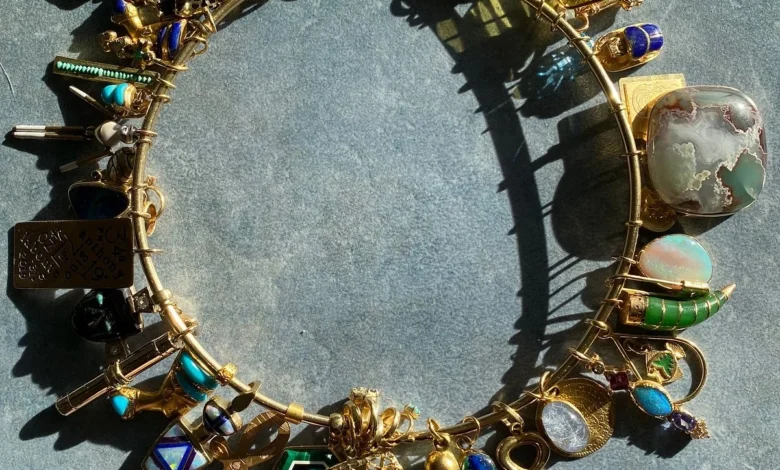
With gold prices consistently reaching historic highs in global commodities markets, the traditional approach to personal adornment is undergoing a significant transformation. As investors and consumers alike face economic volatility, the allure of low-cost, gold-plated accessories—often characterized by rapid tarnishing and minimal residual value—has waned. In its place, a growing movement toward the curation of "fine jewelry capsule collections" has emerged. This shift represents not merely a change in fashion preferences, but a calculated pivot toward asset-based consumption, where personal style intersects with long-term financial preservation.
The Macroeconomic Context of Gold Valuation
The surge in gold prices over the past 24 months is driven by a confluence of geopolitical instability, inflationary pressures, and central bank purchasing behaviors. According to data from the World Gold Council, central banks globally have been adding to their gold reserves at record-breaking speeds to hedge against currency devaluation. This institutional confidence has trickled down to the retail sector, where consumers are increasingly wary of "fast fashion" jewelry.
When an individual purchases a piece of jewelry crafted from karat gold—typically 14k, 18k, or 24k—they are acquiring a physical asset. Unlike plated items, which consist of a base metal coated in a thin layer of gold, solid karat jewelry maintains its intrinsic value regardless of its design or manufacturer. When gold prices appreciate, the melt value of the piece rises in tandem. This creates a functional duality: the item serves as a wearable accessory while simultaneously acting as a portable store of wealth.
Chronology of the Jewelry Capsule Concept
The concept of the "capsule wardrobe," popularized in the 1970s by boutique owner Susie Faux, originally focused on clothing essentials that transcended seasonal trends. By the early 2020s, this methodology was adapted for the luxury goods and fine jewelry markets.
- 2015–2018: The rise of minimalist aesthetics and "everyday luxury" began to emphasize quality over quantity. Social media influencers and fashion editors started advocating for "investment pieces" rather than disposable trends.
- 2020–2022: The global pandemic triggered a shift in consumer habits. With disposable income restricted and a focus on long-term stability, interest in gold-based assets rose.
- 2023–2024: Gold prices reached unprecedented peaks, crossing the $2,400 per ounce threshold. This economic reality solidified the shift from mass-produced costume jewelry toward curated, high-karat collections that promise longevity.
Developing a Curated Jewelry Collection
Building a fine jewelry capsule collection requires a systematic approach that balances aesthetic preference with material value. Industry experts suggest that the most successful collections are those built intentionally over time, rather than acquired through impulsive, trend-driven purchases. The methodology for creating such a collection involves five distinct stages:
1. Audit and Categorization
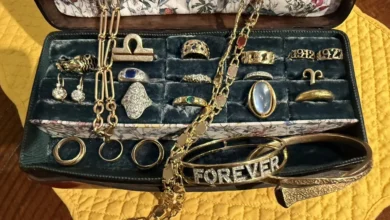
The initial phase involves cataloging existing items to identify gaps in one’s collection. Categorization typically follows a standard format: neckwear (chains and pendants), ear ornamentation (hoops, studs, and drops), wrist wear (bangles and link bracelets), and finger rings (signets, bands, and statement pieces). By isolating these categories, individuals can identify which styles they genuinely utilize, preventing the accumulation of "dead inventory" that provides neither aesthetic nor financial utility.
2. Defining Aesthetic Parameters
Personal style is the anchor of a sustainable capsule collection. Collectors are encouraged to document their preferences through visual references. This is a critical step because fine jewelry, unlike costume jewelry, is designed for decades of wear. Determining whether one prefers geometric, modern designs or antique, ornate styles ensures that the collection remains cohesive and personally satisfying, regardless of shifting fashion cycles.

3. Prioritization and Asset Selection
Once categories are defined, the selection of specific items must focus on quality. This includes verifying the karat count, the reputation of the jeweler, and the authenticity of gemstones. Natural gemstones are increasingly viewed as assets that complement the underlying gold value. By ranking the list of desired pieces, a collector can distribute the financial burden of acquisition over several months or years, ensuring each piece is a deliberate investment.
4. The Iterative Growth Model
A successful capsule collection is never truly "finished." It is a living portfolio that should be reviewed seasonally. If a specific chain or ring is no longer worn, it can be liquidated or traded for a new piece that better reflects the individual’s current lifestyle. This fluidity allows the collection to remain relevant while maintaining the total value of the holdings.
Recommended Essential Archetypes
While individual taste dictates specific choices, market trends and historical utility suggest a baseline for a functional capsule collection:
Neckwear Essentials:
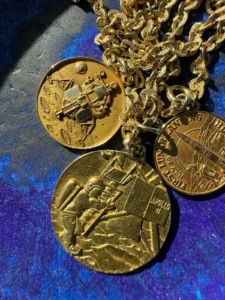
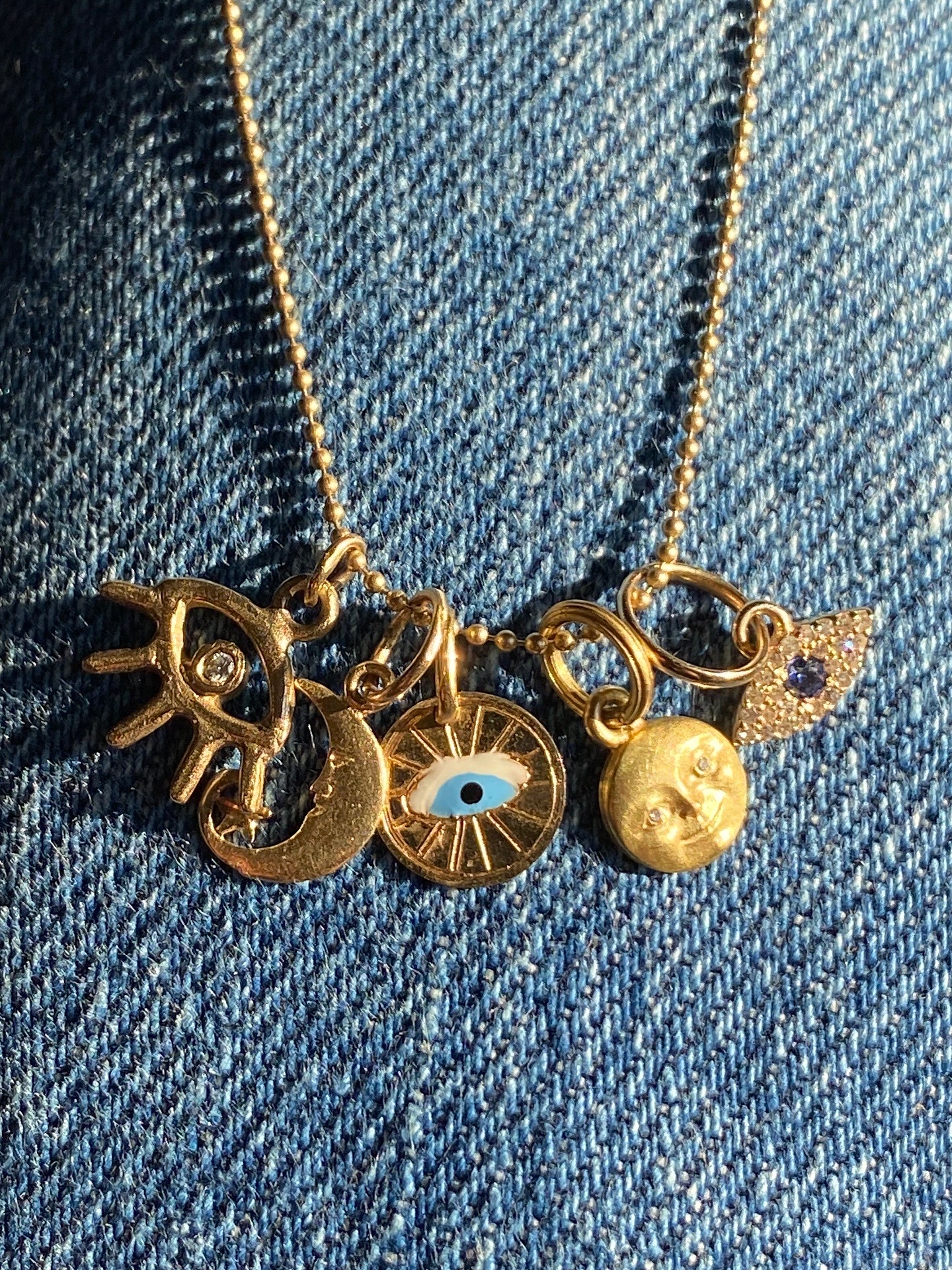
A versatile collection should include a range of lengths and link styles. A 20-inch box chain or mariner link provides a reliable foundation for daily wear. Supplementing this with a heavier, semi-hollow statement chain allows for flexibility in styling. For variety, a thinner cable link serves as a delicate base for charms, while a specialized piece—such as an enamel-linked chain—adds a distinct visual signature to the collection.

Ear Ornamentation:
The primary requirement here is functionality. A classic, high-karat gold hoop is considered the gold standard for daily wear. Studs are essential for secondary piercings, providing subtle detail without requiring significant maintenance. Geometric, statement-making earrings serve as the collection’s "accent pieces," intended for social or professional engagements.
Wrist and Finger Adornment:
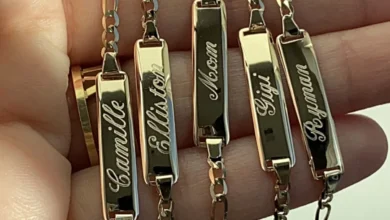
Bracelets should ideally include a mix of simplicity and texture. A solid, well-fitted bangle serves as an understated staple, while a gold line bracelet or a diamond-accented piece adds a layer of sophistication. Rings follow a similar logic: a signature signet or pinky ring provides a historical aesthetic, while stackable bands offer the ability to alter the appearance of the hand without needing multiple individual rings.
Implications of the Shift
The move toward fine jewelry as an essential component of a personal wardrobe has profound implications for the jewelry industry. Retailers are seeing a decline in demand for vermeil and plated goods, forcing a shift in manufacturing toward sustainable, high-karat practices.
Furthermore, the "capsule" philosophy promotes a more sustainable model of consumption. By investing in pieces that are designed to last for generations—rather than those that lose their plating after a season—consumers are effectively reducing waste and participating in a circular economy. When a piece of fine jewelry is eventually sold or traded, its gold content retains its value, ensuring that the initial capital expenditure is partially or fully recovered.

Conclusion
The transition toward a fine jewelry capsule wardrobe is a logical response to both the current economic climate and a broader cultural shift toward mindful consumption. By viewing jewelry as a series of deliberate, high-quality acquisitions, individuals can build a collection that serves the dual purpose of personal expression and financial protection. As gold remains a primary hedge against global uncertainty, the curation of such an archive—prioritizing karat gold, reputable sourcing, and timeless design—represents a prudent approach to modern asset management. Whether starting from scratch or refining an existing collection, the strategy remains the same: focus on the basis, prioritize quality, and view every purchase as a long-term investment.
Related posts: