Solid Gold Versus Semi-Hollow Fine Jewelry: A Comprehensive Guide to Material Composition, Durability, and Investment Value

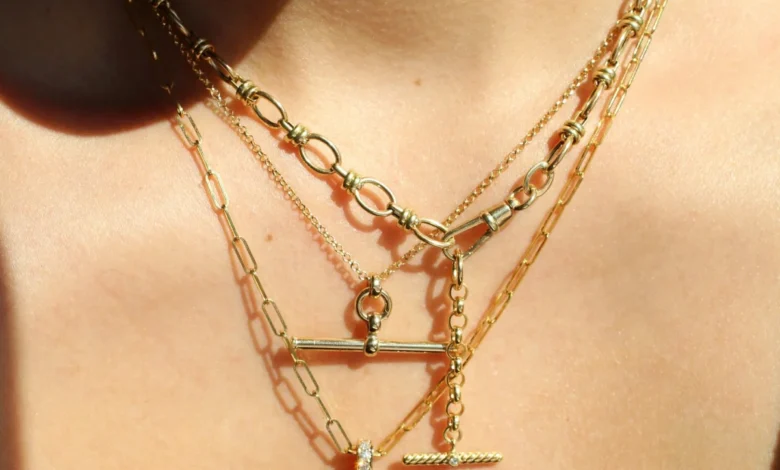
The fine jewelry market is defined by a nuanced dichotomy between solid karat gold and semi-hollow gold construction. While both categories utilize genuine, hallmarked karat gold—distinct from gold-plated or gold-filled costume jewelry—their internal structural differences significantly influence their market valuation, long-term durability, and suitability for specific fashion applications. As global gold prices continue to fluctuate, understanding the mechanics of these manufacturing methods has become an essential component of informed consumerism in the luxury goods sector.
Defining Material Composition and Manufacturing Processes
Solid gold jewelry is characterized by a uniform, non-porous structure. During the manufacturing process, the item is cast or hand-fabricated entirely from gold alloy, resulting in a piece with significant mass and density. Because there is no internal cavity, these pieces are structurally robust and retain their shape under significant physical stress.

Conversely, semi-hollow jewelry, often referred to as "hollow-core" construction, is engineered to mimic the aesthetic profile of solid gold while utilizing a fraction of the metal volume. In this process, the jewelry is crafted with a tubular or chambered interior. This engineering approach is frequently employed in the production of large-scale chains, chunky hoop earrings, and intricate link bracelets, where a solid construction would be prohibitively heavy and expensive. While semi-hollow pieces are composed of real gold, the hollow interior renders them susceptible to structural deformation, such as denting or crushing, when subjected to external pressure.
A Chronology of Gold Manufacturing Trends
The evolution of hollow and semi-hollow jewelry is inextricably linked to the historical volatility of the gold market. In the mid-20th century, particularly following the dissolution of the Bretton Woods system in the early 1970s and the subsequent decoupling of gold from the U.S. dollar, the price of precious metals began a steady, long-term climb.
As gold became more expensive, manufacturers faced a challenge: consumer demand for large, bold, and high-fashion jewelry pieces remained high, but the price point for solid gold versions of these items reached levels that were inaccessible for the average retail consumer. Consequently, the jewelry industry pivoted toward advanced semi-hollow manufacturing techniques. By the 1980s and 1990s, the mass production of semi-hollow gold chains became the industry standard, allowing retailers to offer high-impact visual designs at a price point that reflected lower gram weight.

Comparative Analysis: Durability and Maintenance
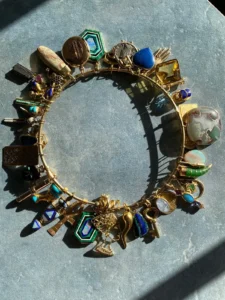
The primary distinction between the two forms of jewelry lies in their longevity. Professional jewelers and gemologists consistently emphasize that solid gold is the superior choice for "workhorse" pieces—items intended for daily wear, such as wedding bands, engagement rings, or heirloom-quality charm bracelets.
The structural integrity of solid gold allows for multiple cycles of repair, including resizing and laser welding, without compromising the integrity of the piece. In contrast, repairing semi-hollow jewelry is significantly more complex. Because the internal walls of the metal are thin, high-heat repairs often lead to further collapse or "burn-through" of the structure. Furthermore, once a hollow piece is dented, the damage is typically permanent, as the internal cavity makes it difficult for a jeweler to push the metal back into its original shape from the inside.
Market Implications and Investment Considerations
From an investment perspective, the value of a piece of fine jewelry is generally derived from its melt value (the current spot price of gold multiplied by its weight and purity) plus the cost of labor and design. Solid gold pieces represent a more direct correlation to the fluctuating spot price of bullion.

Financial analysts often categorize solid gold jewelry as a form of portable wealth, as the high density ensures that the piece retains significant intrinsic value regardless of market trends in jewelry design. Semi-hollow pieces, while retaining their gold content, often carry higher labor costs relative to their weight due to the technical complexity required to create the hollow structures. When purchasing semi-hollow items, consumers are paying a premium for the aesthetic volume and the engineering required to maintain the shape of the piece despite its low weight.
Strategic Selection for the Modern Collection
Industry experts recommend a balanced approach to jewelry acquisition based on the intended use of the item. The following categorization is widely accepted by professionals in the retail jewelry sector:
Rings and Bracelets: The Case for Solid Gold
Given that hands are the most active parts of the body, rings and bracelets are subjected to constant impact, friction, and environmental pressure. Solid gold is the industry standard for these categories. The density of the metal resists the common "banging" associated with daily tasks. For consumers seeking long-term value and heirloom quality, solid gold is the only recommended investment for high-traffic accessories.

Earrings and Statement Chains: The Case for Semi-Hollow
The weight of solid gold can be a significant deterrent for consumers wearing large-scale earrings. The average human earlobe can sustain a comfortable weight load of approximately 5 to 7 grams; exceeding this can lead to discomfort or stretched piercings. Semi-hollow construction allows for the production of large, visually striking hoops or bold dangle earrings that maintain a lightweight profile. Similarly, in the case of heavy, oversized chains, semi-hollow construction allows the wearer to achieve a high-fashion, "bold" look without the neck strain associated with heavy gold chains.
Expert Guidelines for Care and Maintenance
Regardless of whether a piece is solid or semi-hollow, proper care is required to ensure longevity. Jewelers offer the following universal guidelines:
- Storage: Store jewelry in individual pouches or lined boxes to prevent surface scratching and potential dents in hollow pieces.
- Chemical Avoidance: Exposure to chlorine, household cleaners, and abrasive substances can degrade the surface of gold alloys.
- Removal during Activity: High-impact activities, such as weightlifting or manual labor, should be avoided while wearing gold jewelry, particularly semi-hollow items, to prevent accidental crushing.
- Routine Inspection: For semi-hollow pieces, regular inspection by a professional jeweler can identify early signs of stress, such as thinning or minor cracking, before they lead to permanent loss or failure of the piece.
Broader Industry Outlook
The fine jewelry market continues to see a bifurcated demand. While the rise of sustainable and recycled gold has encouraged a trend toward solid, high-quality "forever pieces," the fast-fashion jewelry sector remains heavily reliant on semi-hollow construction to keep products accessible. As of 2024, market data suggests that while the cost of gold remains high, consumers are increasingly educated about the differences between manufacturing styles, shifting their purchasing habits toward solid gold for essential, daily-wear items while reserving semi-hollow gold for trend-driven, occasional accessories.

Ultimately, both solid and semi-hollow gold play vital roles in a well-rounded jewelry collection. The decision to invest in one over the other should be driven by the intended frequency of wear, the physical activity level of the wearer, and the specific functional requirements of the piece in question. By prioritizing structural integrity for daily wear and aesthetic impact for occasional use, collectors can maximize both the beauty and the financial efficiency of their jewelry portfolios.
Related posts: