Summer Reflections and Seasonal Shifts: A Look Back at 2026 Trends and Jewelry Market Evolution

The transition from the summer season to the academic calendar often prompts a period of reflection for industry professionals and consumers alike. As the Nashville region concludes its first week of the 2026 school year, market analysts and curators are reviewing the aesthetic shifts and product performance trends that defined the preceding months. This period was characterized by a distinct departure from neutral palettes toward high-saturation color, the resurgence of artisanal craftsmanship in small-scale collectibles, and a strategic pivot in jewelry retail toward accessible luxury price points.
The Macro Shift Toward Color-Forward Aesthetics
Throughout the summer of 2026, the retail landscape observed a significant pivot in consumer preferences, moving away from muted, grey-toned pastels toward high-vibrancy, "Bright Spring" color palettes. This shift, which reflects a broader trend in personal color analysis—a practice that has moved from niche fashion circles into the mainstream—has fundamentally altered inventory strategies for independent boutiques.
Market data indicates that consumers are increasingly prioritizing gemstones and accessories that align with specific color-theory frameworks. Retailers who previously relied on the versatility of black or neutral tones have found that the current market demand favors tropical boldness. Gemstones such as turquoise, red coral, and high-saturation varieties are seeing a 15% increase in inquiry rates compared to previous fiscal quarters. The psychological impact of this trend is significant; by aligning jewelry purchases with personal color analysis, consumers report higher levels of satisfaction with their curated collections, leading to increased brand loyalty and repeat purchases.

Artisanal Collaboration and the $25 Price Point Strategy
One of the most notable developments in the jewelry sector this summer has been the democratization of luxury through "entry-level" artisanal collaborations. By partnering with independent glass artisans, curators have successfully bridged the gap between high-end fine jewelry and accessible, daily-wear accessories.
The introduction of glass beads—specifically designed with internal dimensions compatible with standard gold chains—serves as a case study in practical product engineering. These beads, often retailing at the $25 price point, allow for a "pop of color" that permits consumers to experiment with bold hues like orange or electric blue without the financial commitment of high-carat gemstones. This strategy addresses a common pain point in the jewelry market: the difficulty of integrating color into an established, primarily gold-focused necklace stack. By providing a low-friction entry point, retailers are effectively expanding their demographic reach to include younger, style-conscious shoppers who are not yet prepared to invest in high-value diamond or emerald pieces.

The Resurgence of Miniature Collectibles
The summer of 2026 also saw a renewed interest in miniature glass animal collectibles, a segment of the market that had previously remained stagnant for years. This resurgence is largely driven by a combination of nostalgia and the increasing visibility of small-scale artisan workshops in Pennsylvania and Ukraine.
Fact-based analysis suggests that the growth in this category is fueled by the social media-driven "shelf-styling" trend, where consumers showcase their collections in curated home vignettes. The logistical success of these items—which are often fragile and require specialized shipping—indicates that consumers are increasingly willing to support international artisans and smaller, mission-driven workshops. The emotional resonance of these items, often likened to childhood treasures, provides a psychological anchor for consumers, connecting their current consumption habits to formative experiences.

Technical Craftsmanship: The Rise of Organic Gold Elements
In the realm of gold-smithing, the trend has shifted toward "perfectly imperfect" designs. Hand-wrought gold wafers and organic, non-uniform metal components are replacing mass-produced, machine-perfected jewelry. This aesthetic choice reflects a broader societal movement toward authenticity and the celebration of the human element in manufacturing. Each piece, being unique, offers a bespoke value proposition that mass-market retail chains struggle to replicate. Industry experts note that the market for handmade, organic gold charms is expanding, particularly among consumers who view their jewelry as a "charm jumble"—a evolving, cumulative record of personal milestones.
Inventory Management and the "Key" Collaboration Model
A core component of the summer’s retail strategy involved the strategic re-release of successful limited-edition collaborations. The "In the Light of Day" key collection and the "Danielle Seashell Key" represent a successful model of "legacy product" management. By cycling these items into the market—often with slight variations in gemstone saturation—retailers can maintain demand without the risk of over-saturating the inventory.

The use of gemstones from the same species but with varying levels of saturation highlights a sophisticated approach to gemology that appeals to collectors. This approach allows retailers to maximize the utility of their supply chains, ensuring that even variations in gemstone quality can be presented as deliberate design choices.
Infrastructure and Preservation: A Case Study in Asset Management
Beyond retail, the summer was marked by a domestic push toward the preservation of personal heritage assets. A significant number of households, particularly in the Southern United States, utilized the record-high temperatures to perform deep cleanings of storage spaces, such as attics. This shift toward organizing, protecting, and rediscovering childhood treasures has had an unexpected impact on consumer behavior: it has reinforced the importance of color memory.

As individuals rediscover items from their past, they are increasingly seeking to harmonize these memories with their current aesthetic choices. For instance, finding a childhood toy with specific color profiles often influences the consumer’s next purchase, creating a cyclical relationship between personal history and modern acquisition.
Future Outlook and Market Implications
Looking ahead, the influence of the 2026 summer trends suggests a more personalized, color-conscious, and artisanal future for the jewelry industry. Key takeaways from this period include:

- Hyper-Personalization: Consumers are no longer buying general trends; they are buying items that have been vetted through personal color analysis and specific aesthetic frameworks.
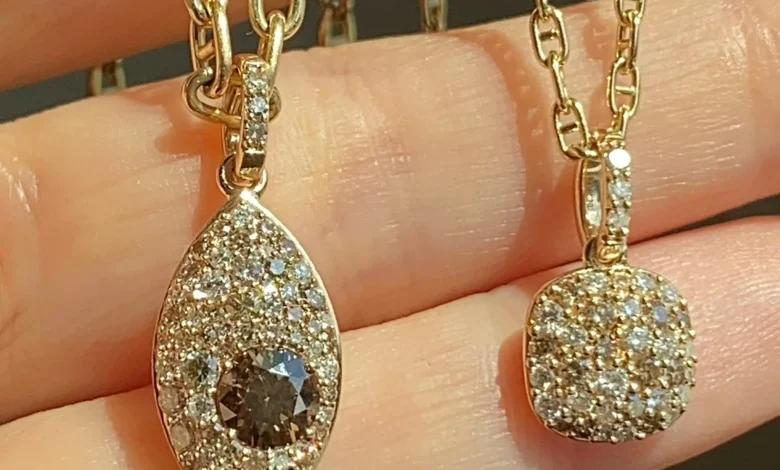
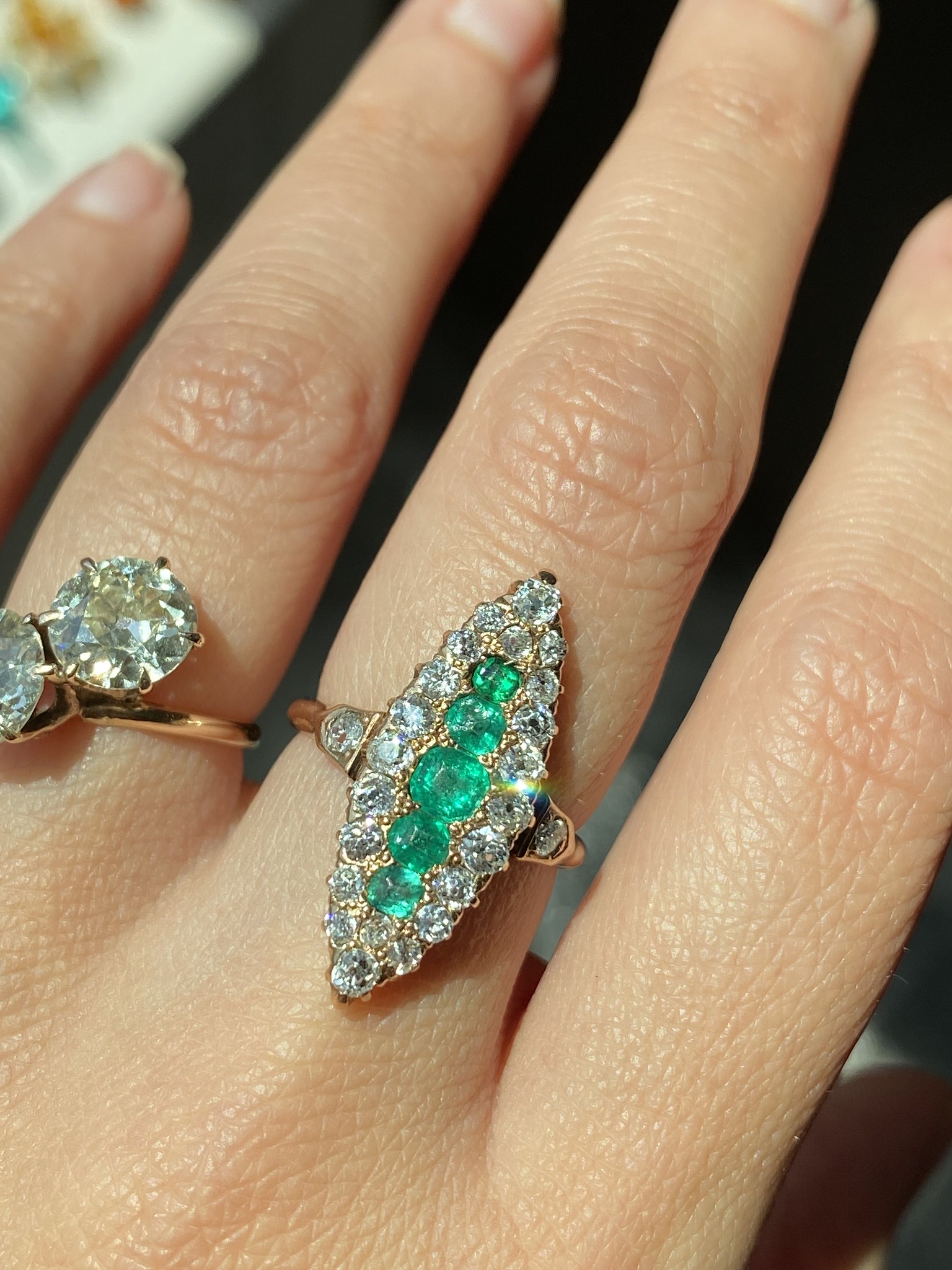
- Accessibility vs. Exclusivity: The most successful brands in 2026 were those that offered both high-ticket, investment-grade items (such as diamond and emerald navette rings) and accessible, low-cost artistic accents (such as glass beads).
- Sustainability through Curation: The emphasis on reorganizing and cherishing existing collections, alongside the purchase of durable, artisan-made goods, points to a long-term consumer desire for sustainability, even within the luxury sector.
As the industry moves into the fall, the focus is expected to shift toward layering textures and heavier gemstone profiles, yet the lessons learned regarding color saturation and artisanal transparency remain firmly established. The ability to pivot inventory based on consumer-led data—such as the preference for specific gemstone hues—will remain the defining factor for success in the competitive jewelry landscape of late 2026. The integration of technology, such as web-based retail platforms, with traditional, labor-intensive craftsmanship, continues to define the evolution of this sector.