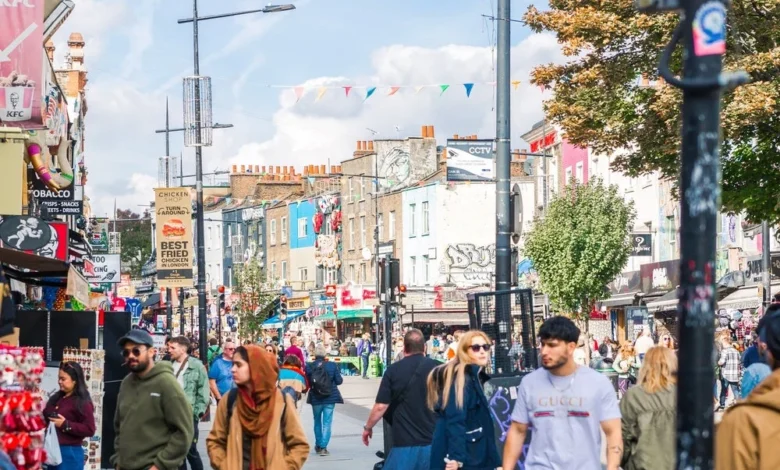
UK retail sales experienced a much-needed rebound in August, driven largely by a surge in clothing and footwear purchases that helped offset a sluggish performance across other consumer sectors during the critical late-summer trading period. According to official data released by the Office for National Statistics (ONS), retail sales volumes rose by 1.0% in August, staging a clear recovery following a downwardly revised 0.5% contraction in July. This positive shift has provided cautious optimism for high street retailers, apparel brands, and supply chain operators navigating an evolving macroeconomic landscape defined by fluctuating consumer confidence and shifting household expenditure patterns.
The August retail figures highlight the critical role that the fashion and apparel sector plays in anchoring broader economic health during periods of volatile consumer spending. While grocery stores, household goods outlets, and online non-store retailers experienced mixed fortunes over the summer months, clothing retailers enjoyed a robust influx of shoppers. Industry analysts attribute this seasonal uplift to a combination of late-summer clearance events, early back-to-school shopping preparation, and the introduction of transitional autumn collections that encouraged consumers to refresh their wardrobes.
Main Facts of the August Retail Performance
The primary driver of the August rebound was the non-clothing and non-food store sectors, with apparel retailers leading the charge. Total retail sales volumes grew by 1.0% month-on-month, beating the consensus forecasts of many city economists who had predicted a more muted recovery of around 0.4% following July’s dismal performance.
When broken down by sector, clothing and footwear sales volumes jumped by 2.2% in August, representing the strongest monthly growth rate for the category since the spring. This robust performance compensated for a relatively flat month in food store sales, where supermarkets reported minimal volume growth as grocery price inflation continued to stabilize. Non-food stores as a broader category grew by 1.6%, heavily supported by department stores and specialized apparel outlets that reported healthy footfall both on physical high streets and across digital shopping platforms.
Value sales—which include the impact of inflation—also rose across the board, reflecting both higher sales volumes and subtle pricing adjustments made by retailers eager to protect profit margins while remaining attractive to value-conscious consumers. Online spending as a proportion of total retail sales remained relatively stable at approximately 26.5%, underscoring the enduring dominance of omnichannel retail strategies where physical store experiences and e-commerce platforms work in tandem.
Chronology of Summer Retail Trends
Understanding the August recovery requires examining the broader timeline of the UK retail sector through the spring and summer months of the year. The macroeconomic environment has been characterized by persistent cost-of-living pressures, high interest rates, and unpredictable weather patterns that heavily influence seasonal purchasing behavior.
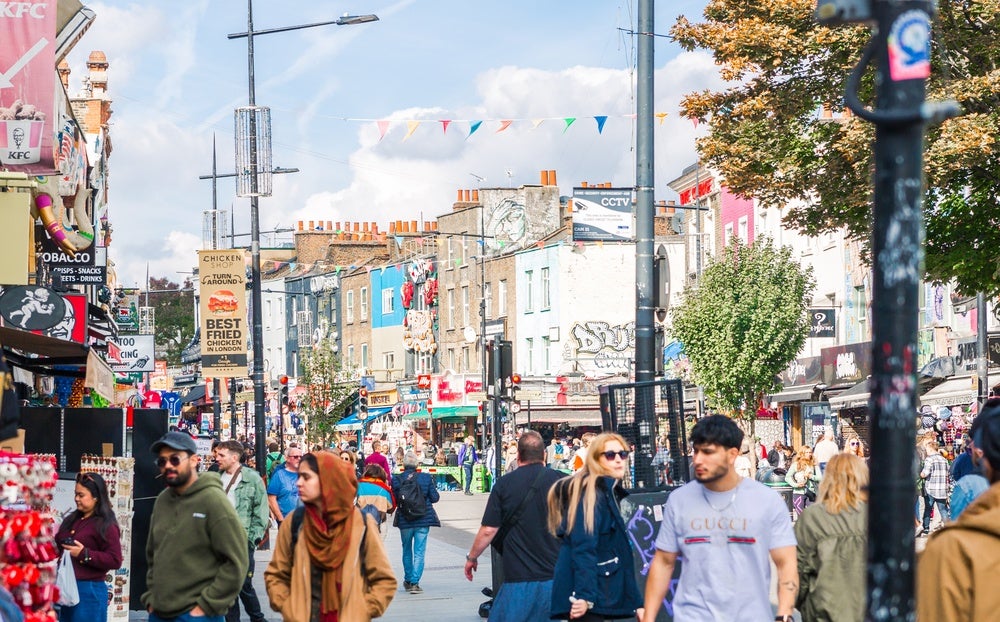
In May, retail sales showed marginal resilience as warmer weather tempted consumers out to high streets, prompting early purchases of summer apparel, outdoor goods, and seasonal leisure items. However, this momentum stalled in June as persistent rainfall and unseasonal temperatures dampened enthusiasm for summer wardrobes, leaving many apparel retailers with excess inventory heading into the mid-summer sales period.
The situation deteriorated further in July, culminating in the 0.5% contraction reported by the ONS. July’s poor performance was widely blamed on a combination of poor weather, consumer fatigue, and a temporary lull in spending ahead of major sporting events and summer holidays. Retailers were forced to rely on early, aggressive discounting to clear summer stock, compressing profit margins across the board.
By August, however, the narrative shifted. As families prepared for the upcoming academic term and consumers looked toward transitional wardrobes for the autumn months, high street footfall rebounded noticeably. The late-summer heatwave in mid-August also provided a final boost to remaining summer clothing lines, while early displays of autumn outerwear attracted forward-planning shoppers. This sequence of events highlights the extreme sensitivity of modern apparel retail to external factors, ranging from meteorological conditions to localized promotional calendars.
Supporting Data and Economic Context
To fully contextualize the August retail rebound, it is necessary to examine the underlying macroeconomic indicators provided by the ONS, the Bank of England, and leading retail trade bodies such as the British Retail Consortium (BRC).
Headline inflation in the UK has hovered closer to the central bank’s 2% target compared to the double-digit peaks seen in previous years. This easing of inflationary pressures has slowly restored a degree of purchasing power to UK households. Real wage growth, which turned positive earlier in the year, has also provided consumers with more disposable income, allowing for discretionary spending on non-essential items like fashion, footwear, and accessories.
However, consumer confidence remains fragile. According to consumer research indexes, while shoppers are willing to spend on specific categories when incentivized by quality or value, they remain deeply cautious about long-term financial commitments. Consequently, retail sales figures continue to exhibit high volatility from month to month, making consistent forecasting exceptionally difficult for apparel brands and inventory planners.
Furthermore, supply chain costs have remained a point of focus for retail executives. Global freight rates, labor costs in manufacturing hubs, and ongoing geopolitical tensions affecting maritime shipping routes have kept operating expenditures elevated. While retailers have largely absorbed these costs rather than passing them on entirely to inflation-weary consumers, margin compression remains a persistent challenge for both major high street chains and independent fashion brands.
Official Responses and Industry Reactions
Following the publication of the August retail data, responses from trade associations, economic analysts, and retail executives highlighted both relief and caution.
A spokesperson for the British Retail Consortium noted that while the August figures offer welcome breathing room for the high street, the retail industry is far from out of the woods. "The growth in clothing and footwear sales demonstrates that when retailers offer the right product mix and compelling value, consumers are ready to spend. However, the month-on-month volatility we have seen over the summer underscores a fragile consumer base. Retailers are currently facing rising operational burdens, including business rates and labor costs, which will require careful navigation as we approach the critical golden quarter of autumn and winter trading."
Economic analysts from major financial institutions echoed these sentiments, pointing out that a single month of positive growth does not constitute a definitive long-term trend. Economists emphasized that consumer behavior will remain closely tied to broader fiscal updates, labor market stability, and any future shifts in monetary policy by the Bank of England regarding interest rate adjustments.
Apparel brand executives have privately reported that inventory management has been their primary focus throughout the summer. The ability to pivot quickly from summer clearance to autumn layering pieces proved vital in capturing August’s renewed consumer interest. Brands with agile supply chains and robust data analytics capabilities were notably better positioned to capitalize on the late-summer surge than those reliant on rigid, long-lead production cycles.
Broader Impact and Implications for the Global Apparel Industry
The performance of the UK retail sector in August carries significant implications not only for domestic high street operators but also for the wider global apparel supply chain. As one of Europe’s most mature and influential fashion markets, retail trends in the United Kingdom frequently serve as a bellwether for consumer sentiment across Western economies.
The strong uptake of apparel in August demonstrates that consumer appetite for fashion remains fundamentally intact, provided that pricing strategies and product offerings align with shifting lifestyle needs. For international garment manufacturers, textile mills, and sourcing hubs located in key regions across Asia and Europe, the UK’s rebound signals a potential stabilization in order volumes following months of cautious ordering and inventory destocking.
However, the high volatility observed between July’s contraction and August’s recovery reinforces the need for structural flexibility within the global fashion ecosystem. Retailers and their manufacturing partners are increasingly prioritizing near-shoring, speed-to-market models, and data-driven demand forecasting to minimize the risks associated with unpredictable consumer spending patterns.
Looking ahead, the focus for the UK apparel sector shifts entirely to the autumn and winter trading season—traditionally the most lucrative period of the year for fashion retailers. With consumer confidence remaining delicate against a backdrop of ongoing economic uncertainties, brands must balance competitive pricing with compelling storytelling and sustainable product credentials to secure customer loyalty. The lessons learned from the turbulent summer months—specifically the importance of nimble inventory management and targeted promotional strategies—will undoubtedly shape commercial strategies as the industry prepares for the final quarter of the year.
Related posts: