The Ultimate UK Guide to Ethical and Sustainable Knitwear Brands for Cosy Winter Style

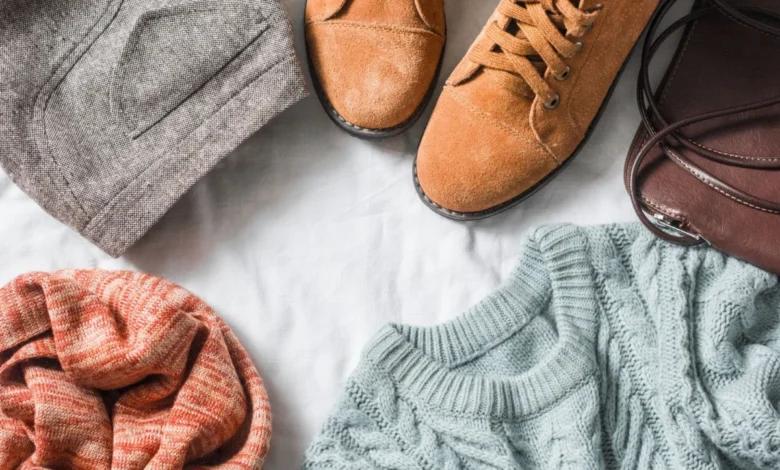
The arrival of the autumn and winter seasons prompts a predictable surge in consumer demand for knitwear, ranging from chunky jumpers and oversized sweaters to classic cardigans. As a cornerstone of cold-weather fashion, knitwear is widely celebrated for its natural thermoregulatory properties, offering warmth without trapping excessive moisture. However, beneath the surface of the comforting aesthetics of high-street and luxury woollens lies an increasingly scrutinized supply chain. Modern consumers are confronted with a complex matrix of environmental and ethical dilemmas, including the perpetuation of animal cruelty, the heavy reliance on toxic and synthetic dyes, and the pervasive integration of fossil-fuel-derived plastics into everyday apparel.
Understanding these hidden footprints requires a granular examination of what goes into manufacturing a single sweater. While the market offers plenty of seemingly natural options, the reality of modern textile production is fraught with greenwashing and industrial shortcuts. To navigate this landscape responsibly, shoppers must decode material labels, trace manufacturing origins, and evaluate the circularity of the brands they support.
Deconstructing the Myth of Natural Wool
At first glance, wool appears to be the ultimate renewable resource. Sheared annually from sheep, it is biodegradable, durable, and naturally insulating. Yet, a vast proportion of commercial knitwear on the market today is not 100% pure wool. Instead, manufacturers routinely blend natural fibres with synthetic alternatives such as acrylic, polyester, and nylon.

The rationale behind blending wool with synthetics is twofold: economic and structural. Acrylic is significantly cheaper to produce than genuine animal fibres, allowing brands to maximize profit margins while offering lower price points to consumers. Furthermore, synthetic additives are frequently touted for their ability to prevent garments from losing their shape and to reduce initial pilling, or bobbling.
Despite these short-term performance claims, the environmental and longevity costs are severe. Acrylic is a plastic derived directly from fossil fuels. Every time a synthetic-blended garment is laundered, it sheds thousands of microscopic plastic particles into wastewater systems. These microplastics bypass municipal filtration plants, ultimately infiltrating marine ecosystems and entering the global food chain.
Moreover, blended knitwear has a notably shorter lifecycle than pure wool garments. While pure wool can endure decades of wear with proper care, synthetic blends degrade faster and pill more aggressively. Because the synthetic fibres fuse with the natural wool, de-bobbling blended items becomes exceptionally difficult, causing the garments to look worn out and unwearable after only a few seasons. This accelerates the linear "take-make-waste" cycle that plagues the contemporary fashion industry.
The Ethical Crisis Within Pure Wool Supply Chains
Moving away from synthetic blends does not automatically resolve a consumer’s ethical concerns. The 100% pure wool market harbors deep-seated welfare issues within its agricultural supply chains, most notably the controversial practice of mulesing.

Commonly practiced in countries like Australia—which remains a dominant global exporter of wool—mulesing involves slicing strips of skin from the perianal region of merino lambs. This brutal procedure is performed without anaesthesia to prevent flystrike, a potentially fatal parasitic infection caused by blowflies laying eggs in the moist folds of the sheep’s skin. Animal welfare organizations have campaigned vigorously against the practice, pointing out that alternative breeding and management techniques can prevent flystrike without resorting to mutilation. While countries such as New Zealand have successfully banned mulesing, resistance within parts of the Australian agricultural sector highlights a persistent divide in global animal welfare standards.
Beyond animal welfare, the processing of wool involves heavy water usage and chemical treatments, including scouring to remove grease, dirt, and pesticides, followed by dyeing. Conventional synthetic dyes often contain heavy metals and toxic compounds that pollute local waterways in manufacturing hubs, predominantly located in developing nations with lax environmental enforcement.
The Circular Economy and Sustainable Innovations in the UK Market
In response to these systemic challenges, a growing segment of the UK fashion and textile industry is pivoting toward radical transparency, regenerative agriculture, and circular business models. Forward-thinking brands are eliminating synthetic blends entirely, opting instead for 100% natural, traceable, and organic fibres.
Crucially, the concept of circularity is reshaping how garments are designed, used, and disposed of. Rather than viewing a sweater’s lifecycle as ending in a landfill, pioneering labels are adopting take-back schemes, utilizing biodegradable packaging, and designing garments specifically for future recycling. The integration of certifications such as the Responsible Wool Standard (RWS) ensures that independent auditors verify animal welfare, land management practices, and social welfare throughout the supply chain.

Curated Directory of Ethical and Sustainable UK Knitwear Brands
To assist consumers in making informed purchasing decisions, industry analysts and sustainability experts have categorized the top UK-facing brands committed to ethical knitwear. These brands maintain strict standards, utilizing 100% natural fibres without hidden synthetics.
Pricing key for this guide: £ = Under £50 | ££ = £50–£100 | £££ = £100+
BAM
Primarily recognized for its pioneering work in bamboo apparel, UK-based retailer BAM has established a robust footprint in sustainable knitwear for both men and women. The brand utilizes 100% wool certified by the Responsible Wool Standard (RWS), ensuring rigorous adherence to animal welfare and sustainable land management.
Adding to its environmental credentials, BAM’s knitwear is certified recyclable by the Circular Textiles Foundation. This certification guarantees not only that the garments are designed for disassembly and recycling, but also that functional industrial facilities exist to process them at end-of-life. Through the "73 Zero" Take-Back Scheme, customers can return worn-out jumpers free of charge to be systematically recycled, reinforcing a closed-loop operational model. BAM has committed to achieving zero waste to landfill, zero pollution, and zero water waste across its entire supply chain by 2030.

ERIBÉ Knitwear
Founded in Scotland in 1986, ERIBÉ is an internationally respected knitwear design house specializing in luxury Scottish knitwear rooted in traditional craftsmanship. The brand has maintained a strict policy against synthetic fibres since its inception, utilizing guaranteed non-mulesed RWS merino lambswool and traditional British wool.
ERIBÉ manufactures its collections within Scotland and the European Union, ensuring compliance with stringent labor laws and fair wage standards. To mitigate industrial waste, the brand operates on a localized, small-batch production model and manufactures garments to order. Any faulty textile panels are meticulously rewound into yarn and repurposed, while traditional plastic garment bags have been entirely replaced with certified biodegradable alternatives.
Oxfam Online
For consumers seeking the most environmentally friendly option—extending the lifecycle of existing garments—Oxfam Online provides a comprehensive digital marketplace for preloved knitwear. Featuring dedicated sections for men and women, the platform allows shoppers to filter inventory by size, brand, price, color, and condition.
Every item is photographed professionally from multiple angles to provide accurate visual representations. While priced slightly higher than physical high-street charity shops, the platform offsets costs with flat-rate shipping and free returns. Purchases directly fund Oxfam’s global humanitarian initiatives to alleviate poverty, combining charitable giving with circular fashion consumption.

Herd
Operating at the luxury end of the market, Herd is a British fashion label dedicated to revitalizing the domestic wool industry, which has suffered from a dramatic decline in commercial demand over recent decades. Herd’s supply chain is remarkably localized, with the entire journey from sheep to finished garment spanning a mere 230 miles.
Herd utilizes 100% Bluefaced Leicester fleece sourced exclusively from the Northern Uplands of Yorkshire, Lancashire, and Cumbria. The brand collaborates directly with a network of British farmers, spinners, makers, and craftspeople. To minimize environmental toxicity, all garments are colored using botanical plant dyes, yielding rich, earthy hues with a negligible ecological footprint.
Komodo
As one of the UK’s longest-running ethical fashion pioneers, operating since 1988, Komodo offers a sophisticated collection of men’s and women’s knitwear crafted exclusively from 100% organic, natural, and eco-friendly fibres. The brand maintains a zero-tolerance policy toward wool-polyester blends and single-use plastics throughout its supply chain.
Komodo operates as an active member of 1% for the Planet, directing a portion of its revenues to conservation organizations such as the Sumatran Orangutan Society, which focuses on rainforest restoration and the repurposing of deforested palm oil plantations.

Beaumont Organic
Based in Manchester, Beaumont Organic is a women’s ethical clothing retailer specializing in casual apparel produced exclusively within audited family-run factories in the EU. The brand provides exceptional supply chain transparency, enabling customers to trace garments back to the individual machinist who assembled them.
Beaumont Organic’s knitwear line features responsibly sourced, non-mulesed lambswool completely devoid of synthetic additives. Furthermore, the company reinforces product longevity by offering complimentary repair services to all UK customers, actively working to counteract the throwaway culture of fast fashion.
The Nearly New Cashmere Co.
Specializing in ultra-luxury preloved knitwear, this Yorkshire-based enterprise rescues thousands of discarded 100% cashmere garments annually. The team meticulously reconditions, cleans, and repairs each item, restoring them to a retail-ready standard.
The catalog spans classic crewnecks, cardigans, polo necks, and loungewear. By rescuing high-grade natural fibres from the waste stream and offering an accessible ongoing repair service, The Nearly New Cashmere Co. exemplifies how luxury materials can be sustained across multiple generations of wear.

Rokit
Rokit stands as a prominent vintage retailer offering an extensive online inventory of preloved vintage and designer knitwear for men and women. Spanning sizing from 3XS to 3XL, the brand provides exceptional size inclusivity alongside stylistic diversity ranging from hand-knitted heritage pieces to mid-century designer classics.
Through its proprietary Rokit Originals range, the company upcycles and reworks vintage garments into contemporary silhouettes, preventing textile waste. Every piece undergoes professional inspection, cleaning, and pressing prior to distribution, ensuring strict quality control for online buyers.
Rapanui
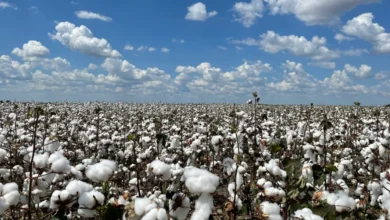
For consumers seeking vegan-friendly knitwear free from both animal products and synthetic microplastics, Isle of Wight-based Rapanui provides an innovative solution. The brand produces a vibrant array of jumpers and cardigans constructed entirely from 100% certified organic cotton.
Rapanui operates on a fully circular economic model. Every garment is designed from inception to be returned to the manufacturer at the end of its useful life, where it is mechanically shredded and spun back into new organic yarn. This closed-loop infrastructure ensures that resources remain in continuous circulation without generating textile waste.

Broader Implications and Future Outlook for the UK Fashion Sector
The transition toward sustainable and ethical knitwear reflects a broader macroeconomic shift within the United Kingdom’s retail landscape. Regulatory pressures, evolving consumer awareness, and the rising costs of raw fossil-fuel-derived synthetics are forcing brands to reevaluate legacy manufacturing models.
Industry analysts emphasize that true sustainability in knitwear requires a multi-pronged approach: agricultural reform to guarantee animal welfare, elimination of microplastic-shedding synthetic blends, transparent regional supply chains, and the institutionalization of circular take-back and repair frameworks. As legislation surrounding greenwashing tightens and consumers increasingly demand accountability, brands that fail to adopt transparent, traceable, and ethical production methods risk losing market share. Ultimately, investing in high-quality, 100% natural, or preloved knitwear represents a practical alignment of personal warmth with planetary preservation.