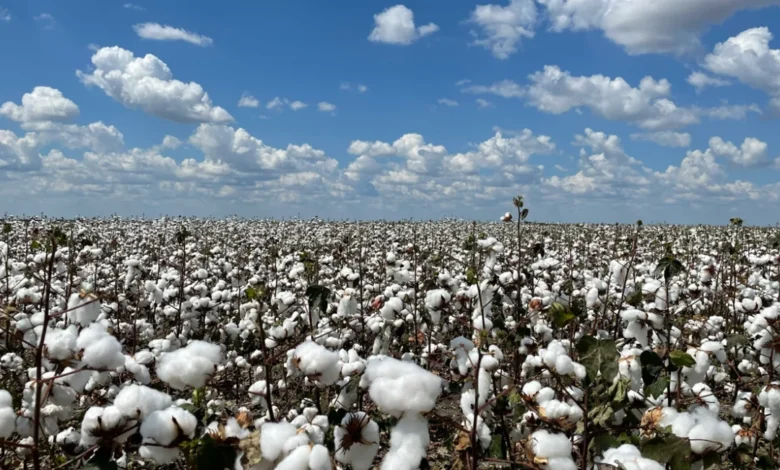
The global fashion industry is currently navigating a period of profound transformation as the traditional fast fashion model faces mounting scrutiny over its ecological footprint and social impact. At the heart of this shift lies the "farm to closet" philosophy, an emerging paradigm that prioritizes radical transparency, regenerative agriculture, and localized artisanal production. By tracing a garment’s lifecycle from the soil in which the raw fibers are cultivated to the final stitch in a consumer’s wardrobe, this approach seeks to replace the opaque, high-volume manufacturing chains of the 21st century with a more ethical and sustainable framework.
The Anatomy of a Global Crisis
To understand why the "farm to closet" movement is gaining traction, one must first analyze the systemic issues inherent in modern garment production. For the past three decades, the industry has operated on a "take-make-waste" trajectory. According to data from the United Nations Environment Programme (UNEP), the fashion industry is responsible for approximately 2 to 8 percent of global carbon emissions and is the second-largest consumer of water worldwide.
The current linear model relies on rapid trend cycles, where garments are designed for planned obsolescence. It is estimated that the equivalent of one garbage truck of textiles is landfilled or incinerated every second. This volume is facilitated by cheap synthetic fibers—primarily polyester—which are petroleum-based and can take hundreds of years to decompose, shedding microplastics into the ecosystem throughout their lifecycle.
Chronology of a Paradigm Shift
The transition toward sustainable supply chains did not occur overnight. It is the result of years of advocacy and evolving consumer sentiment:
- 2013: The Rana Plaza collapse in Bangladesh served as a global catalyst, highlighting the human cost of opaque supply chains and prompting the launch of the Fashion Revolution movement.
- 2018–2020: The rise of "conscious consumerism" began to manifest in market data, with luxury and independent brands reporting increased demand for traceability.
- 2022–2024: Legislative efforts, such as the EU Strategy for Sustainable and Circular Textiles, began setting formal requirements for product passports and supply chain due diligence.
- 2025–2026: The current period marks the professionalization of the "farm to closet" model, moving from niche artisanal experiments to scalable, verified supply chain methodologies.
SukkhaCitta: A Blueprint for Regenerative Fashion
The Indonesian social enterprise SukkhaCitta has emerged as a primary case study for this transition. Unlike conventional brands that source generic cotton through layers of intermediaries, SukkhaCitta operates by engaging directly with rural farming communities. Their model is built upon three pillars: soil health, fair compensation, and cultural preservation.
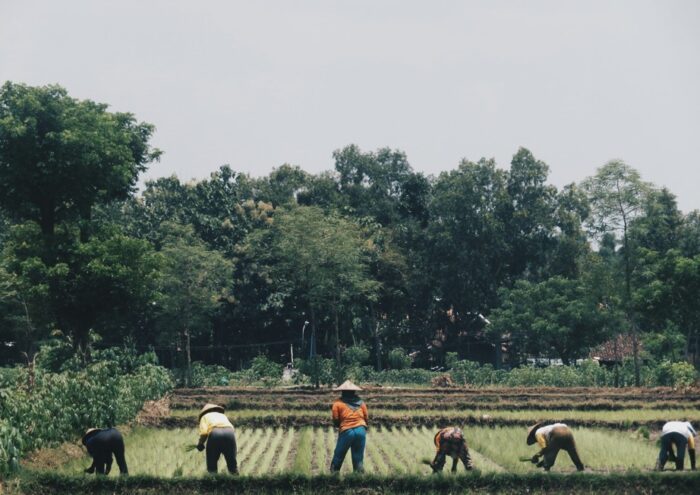
By utilizing regenerative agricultural practices, the brand ensures that the cultivation of fibers—such as organic cotton—actually improves the quality of the topsoil rather than depleting it. Furthermore, the use of natural dyes, particularly indigo, serves as a bridge between environmental responsibility and indigenous heritage. Traditional indigo dyeing is a labor-intensive, multi-stage process involving repeated immersion and oxidation. By sustaining these techniques, the brand provides a living wage to local artisans, keeping traditional crafts economically viable in a globalized market.
Supporting Data: The Economic and Environmental Case
The shift toward "farm to closet" is not merely an ideological preference; it is supported by emerging economic data. Research indicates that consumers—particularly within the Gen Z and Millennial cohorts—are increasingly willing to pay a premium for products with verified supply chains.
From an environmental standpoint, the impact of localized production is significant. When production occurs near the site of raw material harvesting, the "carbon miles" associated with shipping textiles across multiple continents for spinning, weaving, and sewing are drastically reduced. Furthermore, by opting for natural, non-toxic dyes, brands eliminate the release of hazardous chemicals into local waterways, a persistent issue in industrial textile hubs.
Perspectives from Industry Experts
Sustainability analysts note that the "farm to closet" model represents a move toward "slow fashion" as a structural necessity rather than a trend. "The challenge for the industry," suggests a report by the Ellen MacArthur Foundation, "is to decouple economic growth from resource consumption."
Critics of the model argue that it is difficult to scale for the massive global demand for clothing. However, proponents argue that the solution is not to replicate the fast-fashion model sustainably, but to change the consumer relationship with the garment. By emphasizing quality and durability, the "farm to closet" philosophy advocates for a lower-volume, higher-value economy where clothing is treated as an investment rather than a disposable commodity.
The Role of Transparency and Technology
One of the key hurdles to this model is verification. How can a consumer in a major city verify that a shirt was indeed made under ethical conditions? Technology is playing an increasingly critical role. Blockchain-based supply chain tracking allows brands to provide a "digital product passport" for each item. By scanning a QR code on a garment, a consumer can potentially view the farm where the fibers were grown, the names of the weavers involved, and the environmental metrics of the production facility.

This level of detail forces a level of accountability that was previously impossible. When a brand identifies its farmers by name, it incentivizes high standards of labor and environmental management.
Broader Implications and Future Outlook
The "farm to closet" approach carries profound implications for the global economy, particularly for developing nations where textile manufacturing is a cornerstone of the GDP. If the industry shifts toward sourcing and producing locally, it could revitalize rural economies, reducing the reliance on low-wage, high-pressure urban factory environments.
However, the transition requires a multi-stakeholder effort. It requires governments to implement policies that favor sustainable practices, investors to provide capital for regenerative agricultural projects, and consumers to adapt their buying habits.
The future of fashion, as envisioned by proponents of this movement, is not necessarily "slower" in terms of innovation, but it is certainly more deliberate. It is an industry that respects the biological limits of the planet and the human rights of the workers. As the industry moves toward 2030, the "farm to closet" model serves as a vital reminder that every garment begins with a seed, a plot of land, and a human hand. Restoring the connection between these elements is not just an aesthetic choice—it is a requirement for the long-term viability of global commerce.
In conclusion, while the path to a fully transparent, regenerative fashion industry remains fraught with logistical challenges, the success of pioneers like SukkhaCitta demonstrates that the model is both economically feasible and ethically superior. The movement toward radical traceability suggests that the most fashionable attribute a garment can possess in the coming decade will be its story—a story that starts in the soil and ends with a conscious choice by the consumer. By prioritizing the origin of our materials, we do not just change what we wear; we redefine the value of the items that define our daily lives.