Kelli Donovan and the Future of Conscious Couture: A Blueprint for Ethical Fashion in an Era of Overconsumption

The global fashion industry stands at a critical juncture, grappling with its role as one of the world’s most significant environmental polluters. As consumer awareness regarding textile waste and carbon emissions reaches an all-time high, designers like Kelli Donovan are shifting the narrative from rapid-cycle production to a philosophy of longevity and ecological stewardship. With a career spanning three decades, Donovan has transitioned from a traditional designer to a vocal advocate for sustainable practices, drawing inspiration from the rugged, pristine landscapes of her native Australia and the foundational lessons of her grandmother, a Scottish tailor.
The environmental cost of the modern apparel industry is staggering. According to recent reports from the United Nations Environment Programme, the fashion industry is responsible for approximately 2% to 8% of global carbon emissions and is the second-largest consumer of water worldwide. Furthermore, the rise of "ultra-fast fashion" has led to a cycle where garments are discarded after only a handful of wears, with the equivalent of one garbage truck of textiles landfilled or incinerated every second. It is against this backdrop of systemic waste that Donovan’s work serves as both a critique and a corrective model.
Formative Years and the Influence of Heritage
Kelli Donovan’s design ethos is deeply rooted in her upbringing in Canberra, Australia’s "bush capital." Surrounded by mountainous terrain and a culture that prioritizes outdoor activity, her early exposure to the natural world fostered a profound respect for environmental preservation. This connection was not merely observational; it was technical. Donovan credits her late grandmother, Annie Muir, a skilled tailor from Glasgow, as the primary architect of her professional discipline.
Muir’s philosophy—that high-quality textiles should never be squandered on mediocre designs—remains the cornerstone of Donovan’s business model. In an era where many brands prioritize cost-cutting through the use of synthetic fibers, Donovan adheres to the traditional standard of selecting durable, sustainable materials. This methodology emphasizes that true luxury is not found in the fleeting nature of a trend, but in the integrity of the stitch and the longevity of the garment. For Donovan, the act of creation is an act of legacy, echoing her grandmother’s belief that every piece of clothing should be constructed with purpose and precision.
The Evolution of the "Sleeping Beauties" Concept
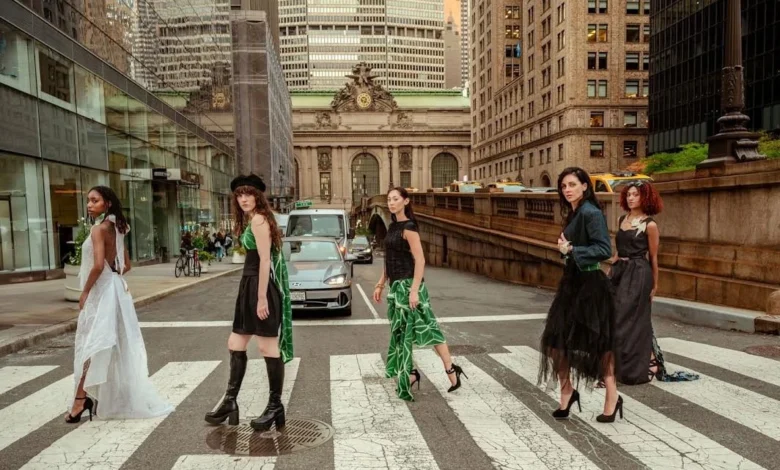
Donovan’s recent collection, titled "Sleeping Beauties," has garnered significant industry attention, partly due to its serendipitous alignment with the 2024 Metropolitan Museum of Art’s Costume Institute exhibition of the same name. However, while the Met’s exhibition explored the fragility of historical garments, Donovan’s collection serves a different, more urgent purpose: a commentary on the environmental consequences of overproduction.
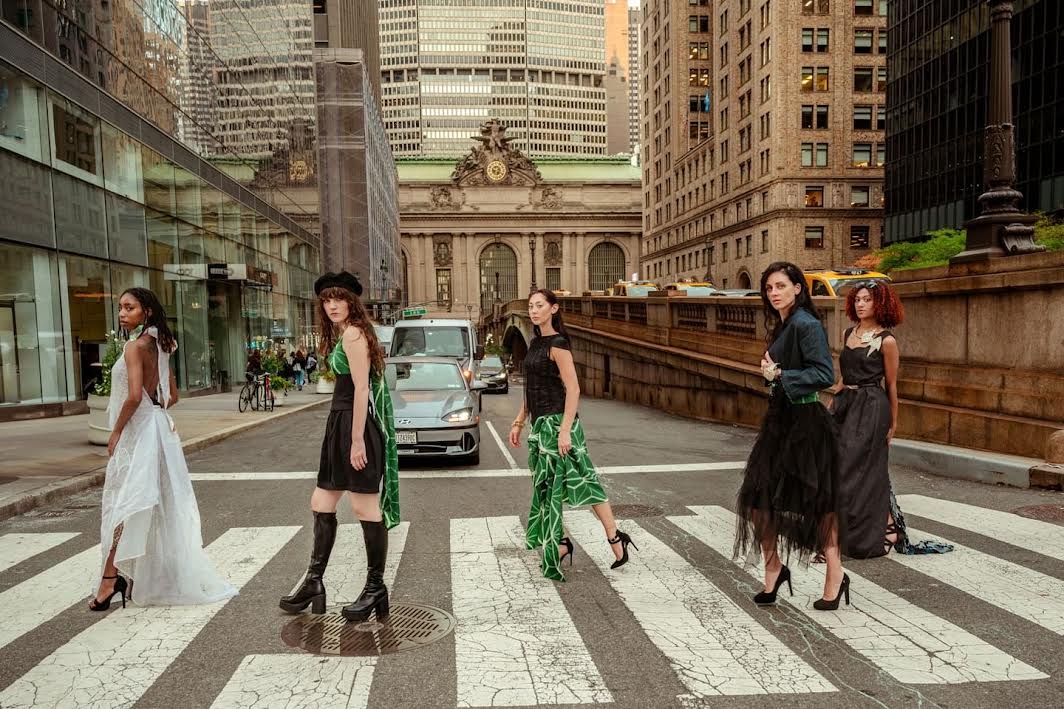
The collection is an exercise in restraint. By producing smaller, high-quality batches, Donovan challenges the industry’s reliance on "over-supply" models, which force retailers to burn or dump unsold stock to maintain brand exclusivity. Her collection aims to "speak quietly," prioritizing the value of each garment over the volume of sales. By doing so, she aligns herself with the "slow fashion" movement, which advocates for manufacturing processes that respect both the planet and the labor force.
Environmental Stewardship: The Manta Ray Collection
Perhaps the most vivid demonstration of Donovan’s commitment to environmental advocacy is her "Manta Ray" collection. This project was developed in direct response to the escalating crisis of plastic pollution in the world’s oceans. Marine ecosystems are currently suffering under the weight of microplastics—tiny fibers shed by synthetic fabrics like polyester and nylon during both the manufacturing process and subsequent laundry cycles.
Donovan’s Manta Ray collection serves as an educational tool, using the anatomy and grace of the giant manta ray as a visual metaphor for ocean health. The manta ray, a filter-feeder that plays a crucial role in marine equilibrium, represents the antithesis of the pollution caused by the fashion industry. Through this collection, Donovan highlights the connection between consumer choices in the clothing aisle and the health of global waterways. By opting for natural, biodegradable, or recycled fibers, she argues that designers can significantly reduce the volume of synthetic waste entering the ocean.
Industry Data and the Shift Toward Sustainability
The transition toward sustainable fashion is not merely an aesthetic choice; it is an economic necessity. Data from the Ellen MacArthur Foundation indicates that by shifting to a circular fashion economy—where garments are designed for longevity and recyclability—the industry could unlock $560 billion in economic value.
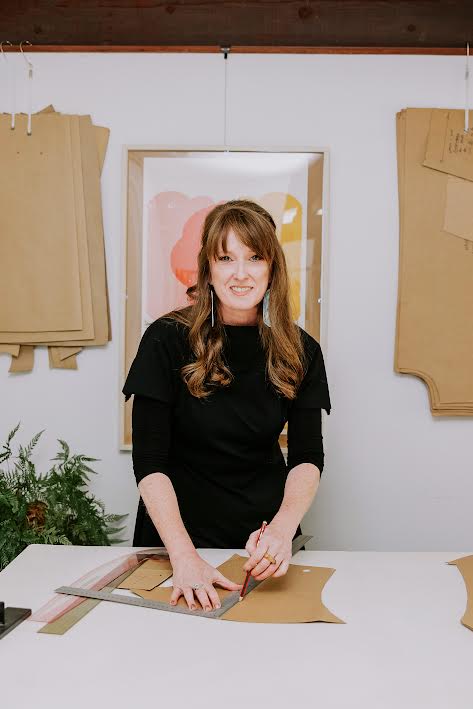
Donovan’s career trajectory mirrors this shift. In her early years, she observed the lack of transparency in global supply chains. Today, her business model incorporates:
- Zero-waste pattern making: Minimizing fabric scraps during the cutting process.
- Ethical sourcing: Ensuring transparency regarding where and how raw materials are grown and processed.
- Longevity-focused design: Creating pieces that transcend seasonal cycles, thereby reducing the "need" for constant replacement.
Her advice to the next generation of designers is clear: experimentation is vital, but it must be tempered by a commitment to finding a "unique superpower" rather than chasing ephemeral trends. She encourages young creatives to treat textile waste as a design challenge rather than a byproduct to be ignored.
Broader Implications and Future Outlook
The implications of Donovan’s work extend beyond the garment rack. As international regulations, such as the European Union’s Strategy for Sustainable and Circular Textiles, begin to mandate stricter standards for durability and recyclability, the industry is moving toward a future where "fast fashion" may become legally and economically untenable.
Designers who have already integrated sustainable practices into their core operations, like Donovan, are effectively "future-proofing" their businesses. By prioritizing quality over quantity, they are not only protecting the environment but also cultivating a more loyal, informed consumer base.
However, the burden of change does not rest solely on designers. It requires a systemic shift in how consumers perceive value. Donovan’s career serves as a case study in how individual agency can influence industrial standards. By treating fashion as a form of cultural and environmental expression rather than a disposable commodity, she provides a roadmap for a more sustainable future.
Conclusion
Kelli Donovan’s work is a testament to the idea that design can be both aesthetically sophisticated and environmentally responsible. Her journey from the Australian bush to the forefront of ethical fashion highlights a growing consensus that the era of unfettered, unsustainable consumption is coming to an end. Whether through her tribute to traditional tailoring or her advocacy for ocean conservation, Donovan continues to challenge the status quo.
As the industry faces increasing pressure to account for its environmental footprint, figures like Donovan will likely become the standard-bearers for a new era of fashion. Her message to the industry is unambiguous: the most sustainable piece of clothing is the one designed to last, crafted with intention, and produced with a profound respect for the world it inhabits. For the next generation of designers, the blueprint is there; the challenge lies in the execution.