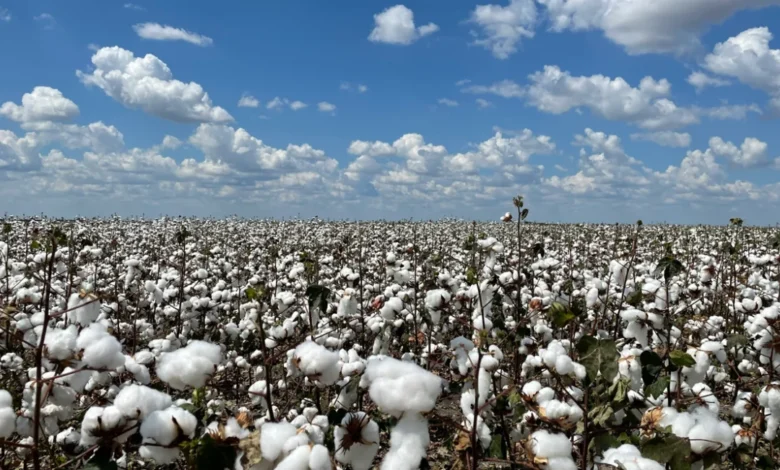
The global fashion industry is currently undergoing a paradigm shift, moving away from the high-velocity, resource-intensive model of fast fashion toward a more transparent, ethically grounded system known as "farm-to-closet." This movement seeks to bridge the chasm between raw material cultivation and the final consumer product, ensuring that every stage of a garment’s life cycle is documented, sustainable, and socially responsible. As consumers grow increasingly weary of the environmental degradation and human rights abuses associated with mass production, brands like the Indonesian-based SukkhaCitta are emerging as blueprints for a circular, regenerative future.
The Anatomy of the Fast Fashion Crisis
To understand the necessity of the farm-to-closet movement, one must first analyze the current state of the apparel industry. Since the early 2000s, the "fast fashion" business model has relied on the rapid production of inexpensive garments designed to capitalize on fleeting trends. According to data from the United Nations Environment Programme (UNEP), the fashion industry is responsible for approximately 2–8% of global carbon emissions and consumes nearly 93 billion cubic meters of water annually.
Beyond these environmental metrics, the supply chain is notoriously opaque. A single cotton t-shirt may travel through a dozen countries during its production—from the harvesting of raw cotton to ginning, spinning, dyeing, weaving, and sewing. At each stage, accountability often diminishes, leading to poor working conditions and environmental malpractice, such as the dumping of toxic chemical dyes into local waterways. The farm-to-closet approach serves as a direct antithesis to this fragmentation, advocating for vertical integration and radical transparency.
Chronology of a Movement: From Extraction to Regeneration
The rise of the farm-to-closet philosophy did not happen in a vacuum. It is the result of a decade of consumer advocacy, exacerbated by tragedies and increased awareness of the industry’s footprint.
- 2013: The Rana Plaza building collapse in Bangladesh brought global attention to the lack of transparency in garment manufacturing, sparking the "Fashion Revolution" movement.
- 2015–2018: The emergence of the UN Sustainable Development Goals (SDGs) put pressure on corporations to report on their supply chain ethics, specifically Goal 12: Responsible Consumption and Production.
- 2019–2021: During the COVID-19 pandemic, global supply chain disruptions forced major retailers to rethink their dependence on long-distance, opaque manufacturing routes.
- 2022–Present: The formalization of regenerative agriculture practices in textiles—where farmers prioritize soil health to sequester carbon—began to gain traction among boutique and mission-driven brands.
The SukkhaCitta Model: A Case Study in Ethical Craftsmanship
SukkhaCitta, an Indonesian enterprise, stands as a primary exemplar of this transition. By managing the process from the seed to the shelf, the brand demonstrates that profitability does not have to come at the expense of the environment or the artisan.
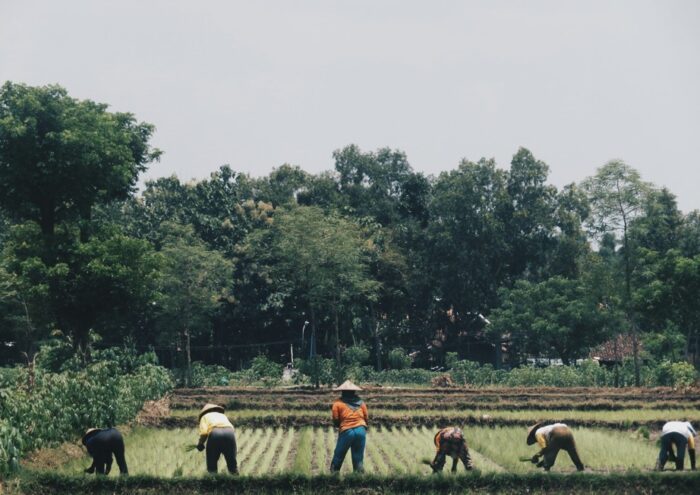
Their process begins with regenerative agriculture. Instead of relying on conventional cotton, which is notoriously water-intensive and pesticide-heavy, SukkhaCitta works directly with local farmers to revitalize the soil. By employing traditional intercropping techniques, they improve biodiversity and increase the resilience of the land against climate-related stressors.
Central to their production is the use of natural dyes, particularly indigo. Indigo, a plant-based dye with deep cultural roots in Indonesia, replaces the synthetic, petrochemical-based alternatives that dominate the market. The process of indigo dyeing is labor-intensive; it requires multiple rounds of dipping, oxidation, and curing. By honoring this traditional craftsmanship, the brand provides fair-wage employment to rural weavers and sewers who might otherwise be forced into low-skilled labor in urban garment factories.
Supporting Data and Environmental Implications
The implications of shifting to a farm-to-closet model are significant. Research into regenerative textiles suggests that if global brands converted even 20% of their material sourcing to regenerative sources, the carbon sequestration potential would be equivalent to removing millions of cars from the road.
Furthermore, the economic impact on local communities is profound. In the traditional fast fashion model, the vast majority of a garment’s price tag goes toward marketing and middleman markups. In the farm-to-closet model, a higher percentage of the retail price is returned to the farmers and artisans who produced the goods. This creates a "wealth multiplier" effect within the local economy, allowing communities to invest in education, healthcare, and infrastructure.
Industry Reactions and Official Perspectives
Industry analysts and NGOs have noted that while the farm-to-closet model is difficult to scale to the level of global conglomerates, it provides a necessary "North Star" for the industry. During a recent symposium on textile sustainability, representatives from major fashion regulatory bodies noted that "the future of fashion lies not in the speed of the output, but in the integrity of the input."
Critics of the model often point to the high cost of production and the limited volume of goods as a barrier to mass adoption. However, proponents argue that the cost is only "high" because the price of fast fashion is artificially deflated by not accounting for the "externalities"—the costs of pollution, waste management, and social welfare that are currently offloaded onto the public and the environment.

The Broader Impact: Redefining Consumer Values
The farm-to-closet movement represents more than just a logistical change; it signifies a cultural shift in how consumers perceive their clothing. For decades, the industry has conditioned consumers to view clothing as a disposable commodity. The farm-to-closet model encourages a return to the appreciation of craftsmanship, where a garment is seen as a story—a record of the land it was grown on, the hands that dyed the fabric, and the community that wove the cloth.
This shift in perspective is essential for the industry to achieve long-term viability. As natural resources become increasingly scarce and environmental regulations tighten in major markets like the European Union and the United States, brands that do not have full visibility into their supply chains will face significant legal and financial risks.
Moving Toward a Transparent Future
As we look toward the next decade, the integration of technology—such as blockchain-based tracking for raw materials—will likely play a crucial role in validating the claims of farm-to-closet brands. This digital layer, combined with the physical commitment to regenerative agriculture, will allow for a "passport" system for garments, where a simple scan could tell a consumer exactly where the cotton was picked, who processed the fibers, and what the environmental impact of that specific item was.
Ultimately, the farm-to-closet philosophy is not merely a niche trend for the eco-conscious elite. It is a necessary evolution of the fashion industry. By reintegrating the farmer, the artisan, and the designer into a single, cohesive ecosystem, the industry can move away from the destructive patterns of the past. The fashion of the future will not be defined by how quickly it can reach the consumer, but by the depth of its roots, the health of the land, and the dignity of the labor that went into every stitch. As the model pioneered by brands like SukkhaCitta gains broader recognition, the industry inches closer to a reality where our wardrobes are as sustainable as they are stylish.