The Evolution of Antique Jewelry Collecting and the Reimagined Talisman Culture: A Profile of Cyndi of TheFabNab

The global antique jewelry market has undergone a significant transformation over the last decade, shifting from a niche interest reserved for estate auctions to a vibrant, social-media-driven industry characterized by "conversion" pieces and talismanic personal branding. At the forefront of this movement is Cyndi, the curator and designer behind the influential Instagram platform @TheFabNab, whose trajectory from a novice collector of antique stick pins to a recognized designer of reimagined Victorian and Art Deco jewelry illustrates the broader trends currently shaping the secondary luxury market. Cyndi’s approach—blending historical reverence with an edgy, modern aesthetic—highlights a growing consumer preference for jewelry that offers both financial value and psychological resonance.
The Genesis of a Collection: From Beads to Precious Metals
The narrative of @TheFabNab began approximately 13 years ago, during a period when the jewelry industry was seeing a resurgence in artisanal, handmade aesthetics. Cyndi’s initial foray into the craft involved semi-precious beads, a hobby that mirrored the broader "DIY" jewelry trend of the late 2000s. However, as the market for authentic historical pieces began to expand via digital platforms like eBay and early-stage Instagram, her focus pivoted toward precious metals and stones.

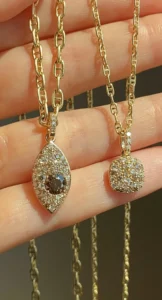
Her entry point into the world of fine antiques was strategic and budget-conscious: the antique stick pin. In the early 2010s, these diminutive accessories—originally used to secure neckties or cravats—were often undervalued in the secondary market. Collectors like Cyndi recognized that while a stick pin might have limited utility in a modern wardrobe, the "head" of the pin often featured exquisite Edwardian or Victorian craftsmanship, including old mine cut diamonds and intricate metalwork. By removing the pin and soldering the head onto a ring shank or adding a jump ring for a pendant, collectors could "convert" these fragments of history into wearable, contemporary art. This practice of conversion jewelry has since become a cornerstone of the sustainable luxury movement, as it repurposes existing materials rather than relying on new mining.
The Art of the Conversion and the Lucky Numbers Collection
Cyndi’s evolution from collector to creator was marked by the launch of her "Lucky Numbers + Talismans" collection. This project represents a sophisticated application of the conversion philosophy. By sourcing authentic Edwardian and Art Deco components—eras known for their geometric precision and high-quality platinum or gold work—Cyndi reinvents them into capsule collections that resonate with modern numerology and the concept of "destiny numbers."
This shift reflects a broader psychological trend in the jewelry industry where consumers seek "talismanic" pieces. According to market analysis, jewelry that carries symbolic meaning or perceived "good juju" has seen a rise in demand, particularly among millennial and Gen Z collectors. The Lucky Numbers collection taps into this by allowing wearers to commemorate personal victories or milestones through specific digits that are emblematic of their life path. This transition from purely aesthetic collecting to symbolic curation marks a maturity in the collector’s eye, moving beyond the "superficial glitter" to the personal connection the piece connotes.

Aesthetic Pillars: Celestial, Egyptian Revival, and the Ruby Spike
A defining characteristic of @TheFabNab’s collection is its distinct visual language. Cyndi has cultivated an "edgy vintage" brand that is instantly recognizable within the jewelry community. Her collection is anchored by several key historical movements:
Celestial and H. Stern Influence
The fascination with the heavens has been a recurring theme in jewelry for centuries, but it saw a particular peak during the Victorian era and again in the late 20th century. Cyndi’s collection prominently features celestial motifs—moons and stars—often referencing the H. Stern Genesis line. H. Stern, the Brazilian luxury house, is credited with revitalizing antique star designs for a modern audience. However, for the purist collector, the allure remains in true antique stars: old mine cut diamonds set in darkened silver over gold. This "silver on gold" technique was a staple of the 19th century before the widespread use of platinum, providing a moody, high-contrast backdrop for the glimmer of antique diamonds.
Egyptian Revival and Symbolism
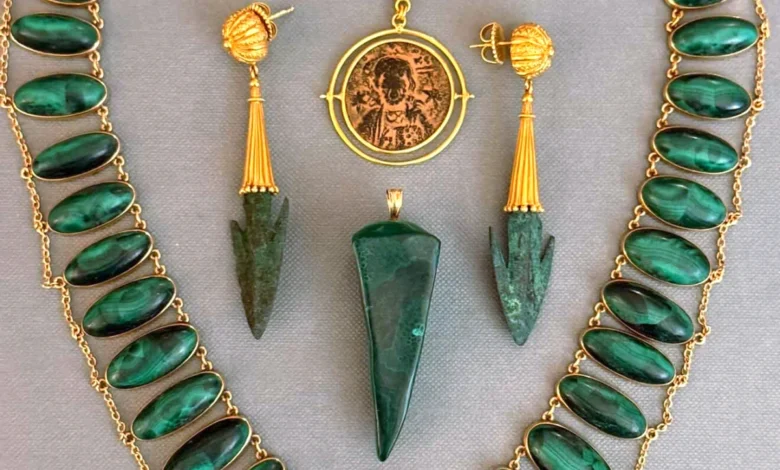
Another pillar of the collection is the Egyptian Revival movement. This style gained massive popularity in the 1920s following the discovery of Tutankhamun’s tomb, and again in the 1960s and 70s. For @TheFabNab, this manifests in the form of winged scarabs and brushed, "buttery" gold snakes. The snake, in particular, is a potent symbol in jewelry history, representing eternal love (popularized by Queen Victoria’s engagement ring) as well as wisdom and transformation.

The Victorian Ruby Spike
Perhaps the most iconic piece in Cyndi’s current rotation is the Victorian-era ruby spike. Originally an antique brooch, it was converted into a pendant that represents strength, courage, and fidelity. The rarity of original Victorian spikes has led Cyndi to recreate this style using existing Art Deco pins. This "new skins for the old ceremony" approach allows the designer to offer the "edgy bit of toughness" that modern collectors crave—often referred to in the community as part of a "neckmess," a curated, layered look of multiple pendants and chains.
Global Sourcing and the Role of Social Commerce
The growth of @TheFabNab was significantly aided by the globalization of the antique trade. Cyndi’s sourcing journey moved from local antique shops and eBay to the world’s most prestigious jewelry hubs.
- The Paris Flea (Marché aux Puces de Saint-Ouen): As one of the oldest and largest antique markets in the world, the Paris Flea served as an early inspiration, providing access to European design sensibilities and rare 18th and 19th-century artifacts.
- Portobello Road, London: Recognized as a mecca for jewelry collectors, Portobello offered a community-based buying experience. It was here that the intersection of Instagram and physical trade became apparent, as digital relationships with dealers like Ishy of @IshyAntiques transitioned into real-world mentorships.
- US Trade Shows: The Hillsborough Show, the Miami Beach Antique Show, and the Las Vegas Antique Jewelry & Watch Show have become essential nodes in Cyndi’s network. These events are no longer just wholesale opportunities; they are social hubs where "jewelry gangs" of collectors and dealers—such as Lenore Dailey, Lindsey of @parkavenueantiques, and the team at @treasuresforliesel—meet to share knowledge and inventory.
The role of Instagram in this ecosystem cannot be overstated. It has democratized the antique jewelry world, allowing collectors to "geek out" over specific gemstone cuts or historical hallmarks. The platform serves as a 24/7 global trade show where trust is built through daily interactions and shared expertise.

Broader Impact and Industry Implications
The story of Cyndi and @TheFabNab is emblematic of a larger shift in the luxury sector. There is a moving away from mass-produced, "cookie-cutter" luxury toward unique, storied objects. This has several implications for the future of the industry:
- Sustainable Luxury: The conversion of antique pins and brooches into wearable items is a form of upcycling. By giving "new life" to pieces that might otherwise sit in a vault or be melted down for their gold content, collectors are preserving cultural heritage while minimizing the environmental impact of new jewelry production.
- Empowerment Through Adornment: Cyndi’s philosophy that jewelry acts as a "layer of love that protects and shields" aligns with the rising trend of "self-gifting." Women are increasingly purchasing fine jewelry for themselves to celebrate personal victories rather than waiting for traditional gifting occasions. This shift is driving a more assertive, "inner badass goddess" aesthetic in jewelry design.
- The Rise of the Curator-Dealer: The line between a private collector and a professional dealer has blurred. Social media allows individuals with a "selective eye" to build a brand and a business based on their personal taste. Cyndi’s ability to be identified by her posts alone—without a username—is the ultimate mark of success in this new digital-first marketplace.
In conclusion, the evolution of @TheFabNab from a small-scale collector of stick pins to a prominent figure in the antique jewelry community reflects the modern synthesis of history, art, and personal empowerment. As the market continues to value authenticity and narrative over mere material wealth, the reimagined talisman will likely remain a central fixture in the world of high-end horology and jewelry. Cyndi’s journey serves as a blueprint for the modern collector: start small, follow a specific aesthetic passion, build a global community, and never underestimate the power of a well-placed ruby spike.