Viral Product Launches and the Evolution of Retail Marketing How Brands Are Mastering the Art of the Digital Drop in 2026

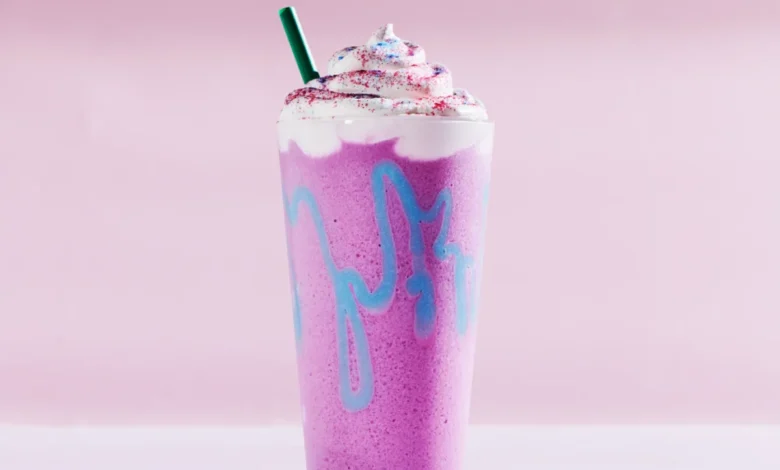
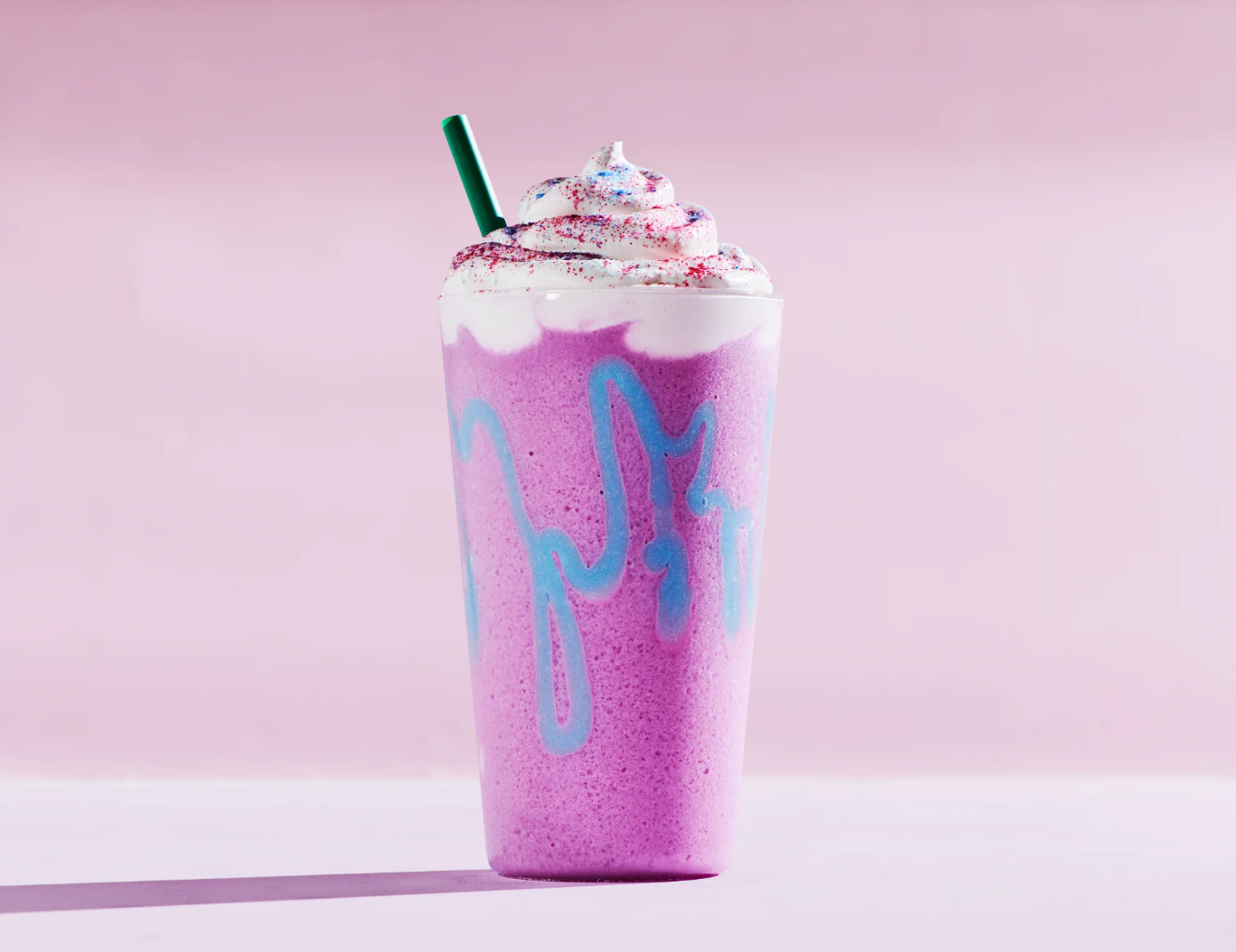
The arrival of the Starbucks Unicorn Frappuccino on British shores in July 2026 marks a significant turning point in the landscape of international retail marketing. Once considered a lightning-in-a-bottle viral sensation when it first debuted in the United States in 2017, the beverage’s carefully orchestrated UK launch serves as a definitive case study in how the "viral moment" has transitioned from a stroke of luck into a meticulously engineered corporate strategy. As the retail sector navigates the first half of 2026, it has become increasingly evident that the industry has abandoned traditional, slow-burn campaign cycles in favor of high-impact "drops" designed specifically to permeate TikTok feeds, dominate encrypted group chats, and drive immediate physical footfall.
This shift represents a fundamental transformation in consumer engagement. In the current retail environment, the most successful product launches are those that successfully blur the boundaries between content creation, digital commerce, and community participation. By analyzing the market trends of 2026, industry experts suggest that the definition of "good" retail marketing is being rewritten to prioritize shareability, scarcity, and real-time social feedback over traditional brand awareness metrics.
The Strategic Orchestration of the Viral Drop
The first six months of 2026 have seen a departure from the "always-on" marketing model toward a "staccato" model characterized by intense, short-lived bursts of activity. The Starbucks Unicorn Frappuccino launch in the UK is the pinnacle of this approach. By limiting the product’s availability to a mere three-day window, the coffee giant has leveraged the psychological principle of Loss Aversion. When consumers perceive a product as scarce, the perceived value increases, and the "Fear of Missing Out" (FOMO) drives immediate action.
This strategy was mirrored earlier in the year by Marks & Spencer (M&S). In June 2026, the retailer launched a limited-edition chocolate strawberry and pistachio cream sandwich. While the product itself was a simple twist on seasonal British flavors, its market performance was anything but ordinary. M&S framed the sandwich as a "blink-and-you’ll-miss-it" seasonal event. The aesthetic appeal of the product—vibrant pinks and greens—was tailor-made for high-resolution social media photography, ensuring that every purchase resulted in at least one piece of user-generated content (UGC). This created a self-sustaining marketing loop where the consumer became the primary advertiser.
Chronology of Innovation: The 2026 Retail Timeline
To understand the scale of this shift, one must look at the sequence of high-profile launches that defined the first half of 2026:
- April 2026: Nespresso experimented with "flavor-bending" by launching a pickled coffee cola at a high-concept pop-up activation. The polarizing nature of the flavor profile was intentional, designed to spark debate across social platforms and encourage "taste-test" video content.
- May 2026: Disney unveiled a London-based pop-up for a new range of limited-edition collectibles. The event focused on "blind box" mechanics, where the mystery of the purchase drove community engagement and trading sessions among fans.
- June 2026: ASOS hosted the "London Lido" pop-up, transforming a physical space into a digital content studio. Simultaneously, M&S released its viral strawberry sandwich, capturing the early-summer picnic market.
- July 2026: Starbucks brought the Unicorn Frappuccino to the UK for a 72-hour window, coinciding with peak summer temperatures and a surge in domestic tourism.
Each of these events shared a common thread: they were not just sales opportunities, but cultural moments designed to be experienced and shared.
Community-Led Innovation: The Unilever Model
While scarcity drives sales, community-led innovation drives long-term brand loyalty. Unilever’s recent success with its TikTok-led Vaseline Originals range provides a blueprint for the future of Fast-Moving Consumer Goods (FMCG). For years, the "beauty hack" community on social media had been using Vaseline in unconventional ways—a practice known as "slugging" or using the jelly to set eyebrows.
Rather than ignoring these unofficial uses, Unilever’s marketing and R&D teams monitored the digital discourse and turned viral hacks into physical products. The Vaseline Originals Brow Tamer Jelly, for instance, was designed specifically to cater to a behavior that already existed within the community.
Nathalia Amadeu, Global Brand Director at Vaseline, noted that the community has always been the primary architect of the brand’s utility. By launching these products through the same creator ecosystem that birthed the ideas, Unilever effectively closed the loop between inspiration and purchase. When the Brow Tamer Jelly launched, it sold out in minutes, proving that products rooted in real-world digital behavior have a significantly lower barrier to conversion than those introduced through top-down advertising.
The Collapse of the Marketing Funnel
Historically, the marketing funnel followed a linear path: Awareness, followed by Consideration, leading to Conversion, and ending with Loyalty. In the retail landscape of 2026, this funnel has effectively collapsed. On platforms like TikTok and Instagram, awareness and conversion often happen simultaneously. A consumer sees a creator use a product, clicks a linked "Shop" button, and completes the purchase within seconds.
This "frictionless commerce" is further enhanced by live shopping events. During these broadcasts, the host creates a sense of urgency and community that traditional e-commerce cannot replicate. The data from 2026 suggests that creator-led launches on social platforms see conversion rates up to five times higher than traditional website-based retail.
Experiential Retail and the Digital Feedback Loop
The rise of digital-first marketing has, paradoxically, made physical retail more important than ever—though its purpose has changed. Physical stores and pop-ups are no longer just distribution points; they are stages for digital amplification.
ASOS’s London Lido pop-up in June 2026 is a prime example. The two-day immersive experience was designed to help consumers discover "summer’s most wanted" beauty products. However, the layout of the event was optimized for photography and video recording. Every corner of the Lido was "Instagrammable," encouraging visitors to broadcast their experience to their own followers.
Bernadette Sullivan, Director of Face and Body at ASOS, explained the strategy: "Summer is a time when customers feel more open to experimenting. With the London Lido pop-up, we wanted to bring that sense of fun and discovery into a real-world setting, in a way that feels approachable and easy to engage with."
The success of the Lido pop-up was measured not just by the products sold on-site, but by the "organic reach" generated by attendees. This creates a feedback loop where real-world engagement feeds online visibility, which in turn drives more people to the brand’s digital storefronts.
Broader Impact and Industry Implications
The shift toward viral, short-term drops has profound implications for the global supply chain and product development cycles. To succeed in this new environment, brands must be more agile than ever before. The ability to move from a "viral trend" to a "shelf-ready product" in a matter of months—rather than years—is becoming a key competitive advantage.
Furthermore, the data generated from these viral launches provides retailers with unprecedented insights into consumer preferences. By monitoring which "drops" generate the most engagement, brands can test new concepts with minimal long-term risk. If a three-day product launch fails, the financial exposure is limited; if it succeeds, it provides a proven template for future permanent additions to the product line.
However, this trend also poses challenges. The reliance on "viral" success can lead to a "hit-driven" culture where long-term brand equity is sacrificed for short-term social media metrics. There is also the risk of consumer fatigue; if every week brings a new "must-have" limited-edition drop, the psychological impact of scarcity may eventually diminish.
Conclusion: The Future of the Retail Starting Point
As we move into the latter half of 2026, the consensus among retail analysts is that the product is no longer the end goal of the marketing process. Instead, the product is the starting point for storytelling and community building. The success of the Starbucks Unicorn Frappuccino in the UK, the M&S strawberry sandwich, and the Vaseline Originals range demonstrates that the next generation of winning brands will be those that can master the intersection of content and commerce.
For retailers and brands, the metric of success has shifted. It is no longer enough to simply sell units; a launch must "travel." The speed and distance a product moves through the digital ecosystem are now the ultimate indicators of its market value. In this new era, the brands that thrive will be those that view their customers not just as consumers, but as active participants in a global, digital-first narrative.
Related posts: