A Quarter-Century Wait Ends as the U.S. Sunscreen Market Embraces Bemotrizinol and Reshapes Photoprotection Standards

The landscape of American sun care is undergoing its most profound transformation in nearly a quarter-century. For decades, consumers and dermatologists alike have noted a frustrating paradox in the United States: while Europe and Asia enjoyed access to advanced, highly sophisticated ultraviolet (UV) filters, the American market remained constrained by a sluggish and stringent regulatory framework overseen by the U.S. Food and Drug Administration (FDA). That long-standing stagnation officially ended in June, when federal regulators approved bemotrizinol—widely known as BEMT—marking the first new active sunscreen ingredient introduced to the U.S. market in 25 years.
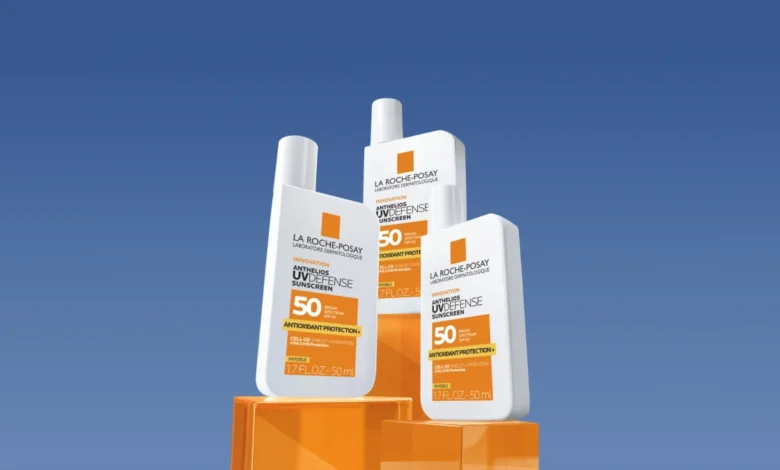
This regulatory milestone has immediately triggered a wave of product development, strategic marketing shifts, and heightened consumer curiosity. Brands operating under the umbrella of major conglomerates, such as L’Oréal Group, are racing to integrate the ingredient into new formulations. As pioneering products like La Roche-Posay’s Anthelios UVDefense Sunscreen SPF 50 hit shelves at major retailers including Ulta Beauty and Amazon, the industry is entering a new era characterized by advanced chemical engineering, enhanced safety profiles, and renewed consumer education.
Understanding the Significance of BEMT in Modern Dermatology
To fully appreciate the industry-wide excitement surrounding bemotrizinol, one must examine the limitations of the previous U.S. photoprotection toolkit. Historically, American sunscreens relied heavily on chemical filters such as avobenzone and homosalate, alongside mineral mainstays like zinc oxide and titanium dioxide. While effective, these older formulations often left notable gaps in coverage, particularly within the short-wavelength UVA 2 spectrum that bridges UVA (aging rays) and UVB (burning rays).
Brian Bodnar, L’Oréal Group’s principal scientist of photoprotection for North America, emphasizes how BEMT resolves this structural deficiency. "We love that we now get a new tool, and it’s not just a flash in the pan because it’s the new thing on the block," Bodnar explains. "It’s important that we protect against both UVA and UVB, which is a little bit more difficult when you don’t have a large UV filter toolset to use as we might have in other countries."
Bodnar points out that the U.S. market has historically lacked robust defense in the middle ground between UVA and UVB. Bemotrizinol seamlessly fills this wavelength gap. Beyond its broader spectrum of photoprotection, BEMT boasts a significantly larger molecular size than traditional U.S. chemical filters. This physical characteristic addresses a mounting consumer concern regarding systemic absorption and potential endocrine disruption. Because the molecules are too large to easily penetrate the skin barrier, BEMT remains on the surface layer. "It really doesn’t go into the skin almost at all in most formulations, so you don’t have to worry about that too much," Bodnar notes, easing anxieties for consumers prone to irritation or chemical sensitivity.
The Long and Costly Road to FDA Approval
The journey of bringing bemotrizinol to the United States was neither swift nor inexpensive. The ingredient has been a staple in European markets since 2000 and has been widely available in Asia since 2002. However, navigating the FDA’s over-the-counter monograph drug application process requires rigorous scientific validation, extensive safety testing, and substantial financial investment.
The filter is manufactured and distributed by Swiss-Dutch multinational conglomerate DSM-Firmenich, a powerhouse in flavors, fragrances, and specialty ingredients with a reported fiscal 2025 revenue of $13.81 billion. Industry reports indicate that DSM-Firmenich invested approximately $20 million to shepherd BEMT through the protracted FDA approval process. Because DSM-Firmenich maintains exclusive manufacturing and distribution rights for the ingredient when supplying sunscreen makers, the company occupies a uniquely influential position in the evolving global beauty supply chain.
Despite the high cost of entry, the commercial upside is substantial. Major brands have been eager to incorporate BEMT into their product lines. Companies like Ultra Violette and Neutrogena have quickly moved to adopt the filter, but it is L’Oréal’s dermatological skincare division—specifically La Roche-Posay—that has captured early market momentum.
La Roche-Posay Leads the Charge with Commercial Rollouts
Following the June approval, La Roche-Posay’s development teams faced a unique formulation challenge. Because BEMT must still be combined with existing U.S.-approved filters to achieve comprehensive broad-spectrum photoprotection under current regulatory guidelines, scientists had to build entirely new formulations from scratch.
On October 20, the brand unveiled its flagship BEMT-inclusive product: the Anthelios UVDefense Sunscreen SPF 50, priced at $39.99 for the face. The formulation combines bemotrizinol with established U.S. filters, including avobenzone, homosalate, octisalate, and octocrylene. Grace Riggenbach, General Manager of La Roche-Posay, stepped into her role in April after serving nearly two decades at Procter & Gamble—most recently as Vice President and General Manager of P&G’s Japan and Korea beauty businesses overseeing Pantene, Head & Shoulders, and Herbal Essences. Riggenbach notes that the inclusion of BEMT fundamentally changes the sensory experience of wearing sunscreen.
"BEMT allows for better hydration and a more lightweight, elegant formula," Riggenbach explains. These sensory improvements—specifically a smoother, less greasy application and a lightweight feel—are becoming central pillars of the brand’s marketing strategy. Early sales metrics have exceeded corporate expectations. "We’re tracking ahead of what we expected at this moment," Riggenbach states. "We want to continue to use this filter across more parts of our portfolio that serve different parts of the body and face."
Corporate Backing and Rapid Retail Expansion
The successful rollout of La Roche-Posay’s new sunscreen aligns with broader financial strength within its parent organization. During L’Oréal Group’s October earnings call, CEO Nicolas Hieronimus reported to investors that La Roche-Posay’s business was expanding at a double-digit rate. Alongside sister brands CeraVe and SkinCeuticals, La Roche-Posay anchors L’Oréal’s top-performing dermatological skincare division. "The one that’s [growing] the fastest is La Roche-Posay, which is flying [off shelves] everywhere," Hieronimus remarked during the call.
This domestic retail momentum has been amplified by strategic physical expansion. In April, La Roche-Posay dramatically increased its brick-and-footprint by rolling out to 1,460 Walmart stores nationwide, in addition to its ongoing presence in pharmacies, specialty beauty stores like Ulta Beauty, and e-commerce platforms like Amazon.
Looking forward, Riggenbach confirms that the brand plans to heavily invest in physical retail displays to educate consumers directly at the point of sale. "As we go into more physical distribution, you’re likely going to see the displays [in-store]," she says. "We’re very active on social media, driving education and awareness of all of our products, and you’ll see some of the traditional channels you’ve come to expect from LRP. But this is a really important launch for us because it’s not just about driving sales; it’s really about driving education."
Leveraging Expert Voices and Overcoming Historical Skepticism
For an industry long plagued by consumer confusion regarding chemical safety, SPF ratings, and inadequate UVA protection, the introduction of BEMT offers a golden opportunity to reset the consumer narrative. Riggenbach emphasizes that the regulatory milestone has revitalized public interest in sun protection.
"It’s enabling us to have a new conversation with new consumers," Riggenbach observes. "Whether it’s from the dermatologists that come and ask us about it or the regular consumer who is now a bit more intrigued thinking about sunscreen, it’s been an opportunity to drive more continued education in sun."
To foster trust and drive educational outreach, La Roche-Posay relies heavily on institutional validation rather than relying solely on digital influencers. Key initiatives include high-profile experiential marketing, such as the brand’s ongoing partnership with the U.S. Open, which features comprehensive in-person product sampling and free professional skin checks. Furthermore, the brand continues to lean heavily into its long-standing relationship with the medical community.
"We’ve been prescribed and recommended by over 100,000 dermatologists," Riggenbach notes. "Leveraging the expert voices—the true expert voices, not just [those] on social media—[has been successful]. [And] we are sampling millions of sunscreens a year."
Broader Market Implications and Future Outlook
The entry of bemotrizinol into the United States signals potential shifts across the entire personal care and cosmetics sector. For decades, the sluggishness of FDA monograph updates put American consumers at a disadvantage compared to their European and Asian counterparts, occasionally fostering a grey market for imported sunscreens. The successful introduction and commercialization of BEMT may pave the way for other advanced UV filters currently awaiting regulatory review, potentially modernizing the entire U.S. sun care catalog.
As DSM-Firmenich reaps the rewards of its multi-million-dollar regulatory investment, and as beauty giants like L’Oréal optimize their portfolios for lightweight, high-performance daily wear, consumers stand to benefit the most. Sunscreen is rapidly shedding its historical reputation as a heavy, pore-clogging, and unpleasant necessity, evolving instead into an advanced, elegant skincare staple. With major brands committing significant capital to retail displays, scientific partnerships, and consumer education campaigns, the 25-year wait for sunscreen innovation in America has officially concluded, setting a new benchmark for public health and cosmetic formulation alike.
Related posts: