Beyond the Discount: Navigating the Complex Ethics of Seasonal Consumption in the Era of Black Friday

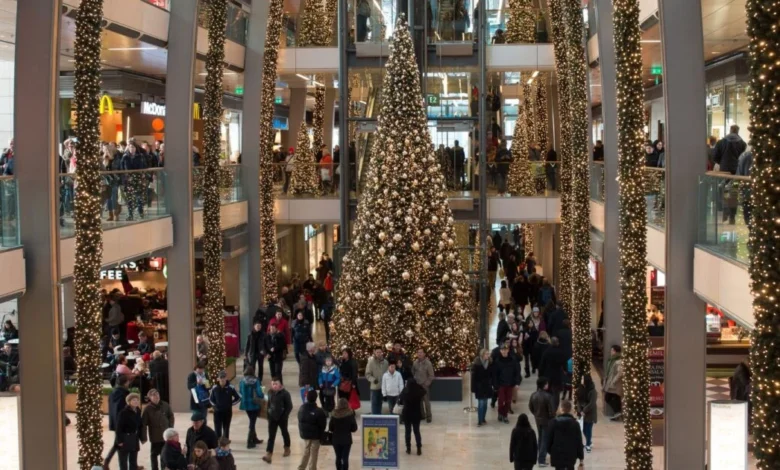
The arrival of November annually signals the onset of the retail industry’s most aggressive promotional window, a period encompassing Black Friday and Cyber Monday. While these events were historically designed to move inventory to kickstart the holiday shopping season, they have evolved into a global phenomenon characterized by manufactured urgency, heavy discounting, and intense scrutiny regarding the environmental and social costs of consumerism. As retail mailboxes fill with promotional offers, a significant discourse has emerged regarding the ethics of participating in these sales, pitting the necessity of supporting smaller, independent businesses against the broader critique of mass overproduction.
The Evolution and Mechanics of Black Friday
Black Friday originated in the mid-20th century, specifically in Philadelphia, as a colloquial term for the heavy pedestrian and vehicular traffic that would occur on the day after Thanksgiving. By the 1980s, retailers had reclaimed the term to represent the point in the fiscal year when companies would move from the "red" (operating at a loss) into the "black" (operating at a profit).
In the contemporary era, the event has transcended its physical retail roots to become a digital-first, global marketing engine. According to data from Adobe Analytics, Black Friday online spending in the United States reached a record $9.8 billion in 2023, a 7.5% increase from the previous year. This growth is driven by sophisticated algorithms that leverage scarcity—using countdown timers and "low stock" alerts—to induce rapid purchasing decisions. For multinational corporations with massive supply chains, this model relies on the consistent, high-volume throughput of goods, often produced under opaque conditions with limited accountability for the environmental footprint of global shipping and material waste.
The Economic Paradox for Small-Scale Retailers
The criticism directed at Black Friday is largely aimed at "fast fashion" and retail giants that utilize the season to clear stagnant inventory while maintaining exploitative labor practices. However, a nuanced economic reality exists for smaller, independent brands. For these businesses, the fourth quarter represents the vast majority of their annual revenue.
Economic data from the Small Business Administration (SBA) indicates that small businesses are disproportionately sensitive to market volatility, including the recent cost-of-living crises, inflationary pressures, and fluctuating global logistics costs. When independent brands are pressured to "go dark"—a trend where companies voluntarily shut down their websites during Black Friday to signal their opposition to overconsumption—they risk losing the revenue necessary to sustain their operations for the following year.
Unlike global conglomerates that can absorb significant fluctuations in demand, many independent labels operate on thin margins. The failure of a single holiday season can be the deciding factor in whether a small business remains solvent. Consequently, observers in the retail sector argue that the "moral duty" of the consumer is not necessarily to boycott shopping entirely, but to shift their spending power away from industry titans toward smaller, transparent, and artisan-focused businesses that contribute significantly less to the systemic issues of overproduction.
Chronology of the Anti-Black Friday Movement
The pushback against the consumption-heavy nature of the November sales cycle has its own history:
- 1992: The inaugural "Buy Nothing Day" was organized in Canada, timed to coincide with the post-Thanksgiving shopping rush as a protest against consumer culture.
- 2015: Outdoor retailer REI made waves by closing all its stores and its website on Black Friday, encouraging employees and customers to "Opt Outside." This marked a shift in how major brands began using the day to signal corporate values.
- 2019: The "Green Friday" movement gained traction, with a coalition of European sustainable brands choosing to donate proceeds to environmental causes or close their shops entirely.
- 2022–2023: A pivot in the discourse occurred, with sustainable advocacy groups acknowledging that labeling all sales as "evil" may inadvertently punish the very small businesses that are attempting to model more ethical manufacturing standards.
Fact-Based Analysis of Consumer Responsibility
The debate surrounding seasonal shopping often touches on issues of class and accessibility. As noted by analysts like Nadra Nittle, the criticism of discount shoppers can occasionally veer into classist territory. For many households, Black Friday sales provide the only window of opportunity to purchase essential items—such as appliances, winter clothing, or electronics—at prices that fit within a constrained budget.
By centering the moral burden on the individual consumer, the industry distracts from the systemic responsibility of the largest retailers. If the top 10 global fashion retailers were to implement radical transparency in their supply chains, the environmental impact would be exponentially greater than the collective impact of every individual consumer choosing to "opt out" of a single weekend of sales. The focus, therefore, should be on corporate accountability regarding factory wages, carbon output, and the lifecycle of products, rather than the moral policing of households navigating financial strain.
Strategic Spending and the Value of Craftsmanship
For those who do choose to participate in holiday gifting, the strategy of "conscious consumption" is becoming a preferred framework. This approach encourages shoppers to prioritize items with longevity, heritage, and evidence of ethical production.
Independent businesses, which often produce items at a smaller scale, frequently provide a more transparent view of their supply chain. They may partner with local artisans, utilize recycled materials, or maintain long-term relationships with factory workers, as seen in the model of German brand Dirts. Such companies often view the holiday season not as a vehicle for exploitative discounting, but as a period of engagement. When these brands do offer promotions, it is often a measured attempt to remain competitive in a market flooded by deep-discount, high-volume competitors.
Broader Implications for the Retail Industry
The sustainability of the current retail model is under increasing scrutiny from both regulators and the public. In the European Union, the Strategy for Sustainable and Circular Textiles is pushing for mandatory transparency and stricter waste regulations. These top-down changes are necessary to address the root causes of the overconsumption cycle.
Meanwhile, the "nuance" argument suggests that the retail sector is not monolithic. While it is factual that the industry at large produces a surplus of goods that contribute to environmental degradation, it is equally factual that small, ethical brands are the primary engine for industry reform. These smaller entities often lead the way in adopting sustainable materials and circular business models (such as resale or repair programs), but they cannot survive without a customer base that chooses to invest in them.
Conclusion: A Shift in Perspective
The discourse around Black Friday has matured significantly. Rather than viewing the event as a binary choice between "buying" and "not buying," the conversation has shifted toward the source of the purchase.
If the primary goal is to mitigate the harm caused by mass production, then the most effective action is to redirect consumer capital toward those organizations that are actively working to change the industry. Supporting a small, independent maker is a fundamentally different economic act than contributing to the quarterly profit reports of a fast-fashion multinational. By focusing on the craftsmanship, the story, and the sustainability of a product, consumers can participate in the holiday season in a way that is both meaningful for the recipient and supportive of a more ethical, sustainable, and transparent future for the global retail market.
The challenge for the coming years remains clear: the onus for systemic change must rest on the largest entities in the industry, while the consumer role remains to act as an informed, intentional participant in a system that is currently in a state of deep transition. As shoppers navigate the coming weeks, the priority should remain on intentionality—buying less, buying better, and ensuring that whatever support is provided, it goes toward businesses that reflect the values of a more sustainable world.