Capturing the Sacred: Photographer and Director Lev L. Spiro Explores the Celtic Concept of Thin Places Through Fine Art Nature Photography

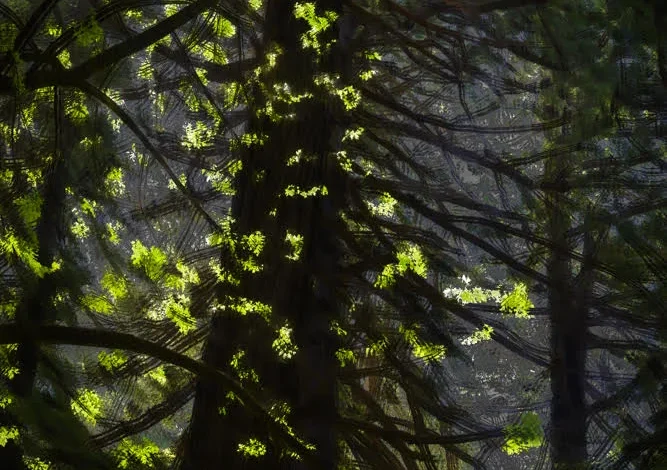
The intersection of physical reality and transcendent atmosphere has long captivated artists, philosophers, and spiritual seekers. Rooted deeply in Celtic spiritual tradition, the concept of a "thin place"—a location where the boundary between the ordinary world and the spiritual realm dissolves—has found a contemporary visual champion in acclaimed photographer, film, and television director Lev L. Spiro. Through his evocative fine art photography series, including the celebrated "Thin Places" and his latest long-exposure project "Elemental," Spiro examines how natural environments can transcend mere documentation to evoke profound emotional and spiritual resonance. This exploration has not only defined his artistic trajectory but has also struck a resonant chord within the broader photographic community, as evidenced by the overwhelming demand for his specialized educational workshops.
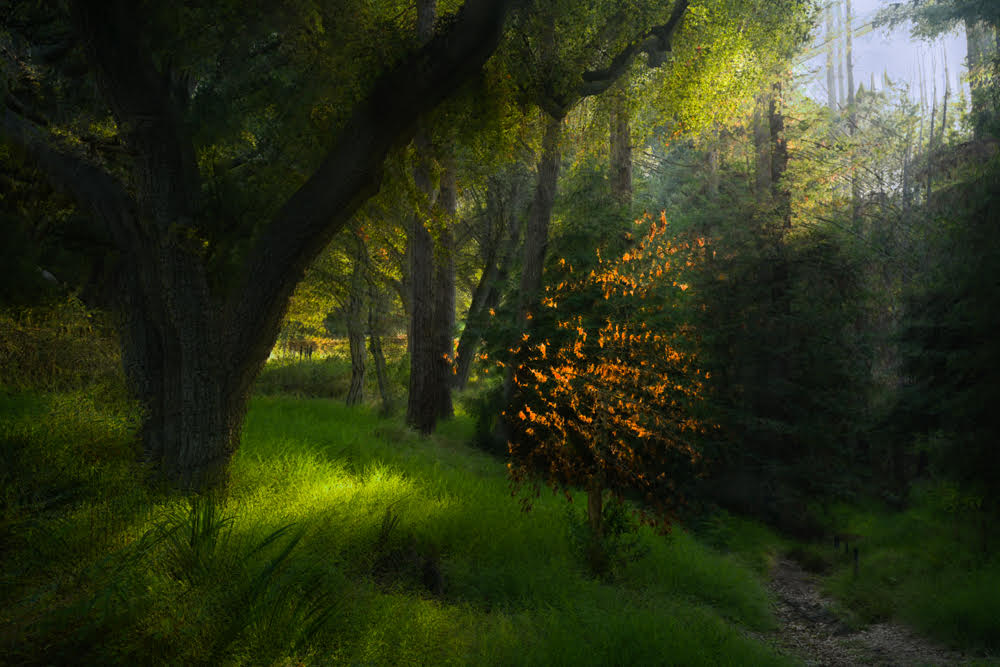
Origins of the Concept and Formative Experiences
The term "thin place" originates from ancient Celtic mythology and theology, traditionally describing geographical locations where the veil separating heaven and earth feels imperceptibly narrow. While historically associated with sacred sites, monastic ruins, or dramatic landscapes in Ireland and Scotland, the psychological and experiential definition of a thin place extends far beyond specific cultural landmarks. For Spiro, the conceptual foundation of his work was forged during his youth. Spending his summers between the ages of eleven and thirteen at an Outward Bound-style wilderness camp in Vermont, he experienced visceral moments of awe and temporal dislocation. Immersed in dense forests and mountainous terrain far removed from urban centers, Spiro encountered an altered sense of presence that he would only later contextualize through the Celtic framework. These formative outdoor immersion experiences established a lifelong dialogue between his internal emotional landscape and the external natural world, laying the groundwork for his photographic philosophy years later.

Evolution of an Artistic Practice and Methodological Approach
Spiro’s transition into fine art nature photography is informed by a distinguished career in film and television direction, a background that grants him an acute sensitivity to pacing, framing, and narrative mood. Rather than approaching nature photography as a purely archival exercise in topographical description, Spiro employs a methodology rooted in heightened perception and receptivity. Drawing inspiration from pioneering American photographers Minor White, Paul Caponigro, and Sam Abell, Spiro trains himself—and by extension, his students—to move beyond ordinary seeing.

Central to his practice is the discipline of allowing oneself to be "stopped" by an environment. This phenomenological approach requires the photographer to remain vulnerable to subtle environmental cues, such as fleeting shifts in backlighting, transient breezes rustling through canopies, or the interplay of deep shadows and sudden illumination. In his series "Thin Places," Spiro predominantly utilizes the liminal hours of the day—the two hours immediately following sunrise and the two hours preceding sunset—when atmospheric light naturally alters human perception of time and space. Conversely, his subsequent series, "Elemental," shifts technical parameters to accommodate long-exposure techniques, capturing the kinetic permanence of running water and the drifting passage of clouds. Despite meticulous planning for specific series, Spiro often finds his initial intentions subverted by spontaneous encounters with unexpected landscapes, necessitating immediate technical adjustments in the field.
Educational Impact and the Santa Fe Workshops Phenomenon

The demand for Spiro’s pedagogical insights is exemplified by his ongoing collaboration with the prestigious Santa Fe Workshops, where he teaches the specialized course titled "Thin Places: Photography and the Sacred in Nature." The workshop has achieved significant commercial and institutional success, selling out consecutive sessions and maintaining an extensive waiting list. Industry analysts and workshop organizers attribute this popularity to a shifting paradigm among contemporary photographers. While digital technology and advanced equipment have made technical proficiency in landscape photography widely accessible, practitioners increasingly seek methodologies that elevate their portfolios from literal representation to emotional expression.
The primary curriculum of Spiro’s workshop focuses on unlearning rigid compositional habits in favor of cultivating deep sensory awareness. Students are instructed to analyze form, texture, color, and temporal movement not as isolated visual elements, but as relational components of an immersive experience. The overarching takeaway for participants is that the sacred is not a rare, geographically isolated phenomenon, but rather an accessible state of heightened attention and environmental attunement. By teaching photographers how to remain open to the world, Spiro bridges the gap between technical execution and psychological resonance.

Implications for Contemporary Fine Art Photography and Environmental Ethics
The resonance of Spiro’s work highlights a broader cultural re-evaluation of humanity’s relationship with the natural world in an era dominated by rapid technological acceleration and urban density. By documenting environments that evoke timelessness and mystery, fine art photography serves as a meditative counterweight to modern distraction. Furthermore, Spiro’s practice underscores a rigorous ethical framework regarding environmental stewardship. Operating under the foundational principle of "leave no trace," his approach mandates strict respect for both the physical integrity of ecosystems and the cultural heritage of indigenous or traditional communities who attribute sacred significance to specific landscapes.

As the field of nature photography continues to evolve past the boundaries of traditional documentary realism, Lev L. Spiro’s exploration of thin places offers a vital framework for visual artists seeking depth, authenticity, and emotional connection. Through his exhibitions, publications, and educational leadership, Spiro demonstrates that the ultimate objective of photography is not merely to capture what is visible, but to render tangible the invisible qualities of presence, time, and spirit that animate the natural world.