Florian Hetz Explores Fragility and Transformation in New Berlin Exhibition

The contemporary art landscape in Berlin is set to undergo a profound examination of human vulnerability and systemic decay this winter as photographer Florian Hetz unveils his latest solo exhibition, nothing personal. but there will be signs…, at the esteemed DITTRICH & SCHLECHTRIEM gallery. The exhibition, which is scheduled to run from December 5, 2026, to February 27, 2027, marks a significant milestone in Hetz’s career, serving as a comprehensive showcase of his evolving visual language. Through a series of meticulously composed photographs, Hetz navigates the thin line between structural stability and the inevitable collapse of the societal and physical conventions that underpin modern life.
Thematic Foundations and Artistic Evolution
Florian Hetz, a Berlin-based artist whose work has consistently grappled with the intersections of intimacy and existential uncertainty, began his photographic journey in 2007. His transition into professional photography followed a life-altering medical event—a bout of encephalitis that significantly impaired his memory and altered his perception of time. This biographical detail is not merely anecdotal; it serves as the foundational catalyst for his entire aesthetic practice. By attempting to anchor his fragmented sense of reality through the camera lens, Hetz developed a unique methodology focused on the preservation of fleeting, often elusive, moments.

In this new series, Hetz moves beyond his earlier focus on individual portraiture to address broader thematic concerns. The exhibition title itself, nothing personal. but there will be signs…, suggests an impending shift or a forewarning. The photographs serve as visual evidence of this transition, capturing the "signs" of deterioration within both the built environment and the human form. By juxtaposing images of physical trauma—such as a bruised eye—with the slow erosion of urban architecture, Hetz forces the viewer to consider how personal vulnerability is inextricably linked to the instability of the systems we inhabit.

Exhibition Structure and Technical Execution
The presentation at DITTRICH & SCHLECHTRIEM is designed as a spatial experience that balances large-scale narrative prints with a more intimate, grid-based arrangement. This curatorial choice allows for a dual engagement: the large prints command the space, forcing an encounter with the subject matter’s raw, often uncomfortable detail, while the grid of ten smaller works invites closer inspection, encouraging a more private, contemplative interaction.
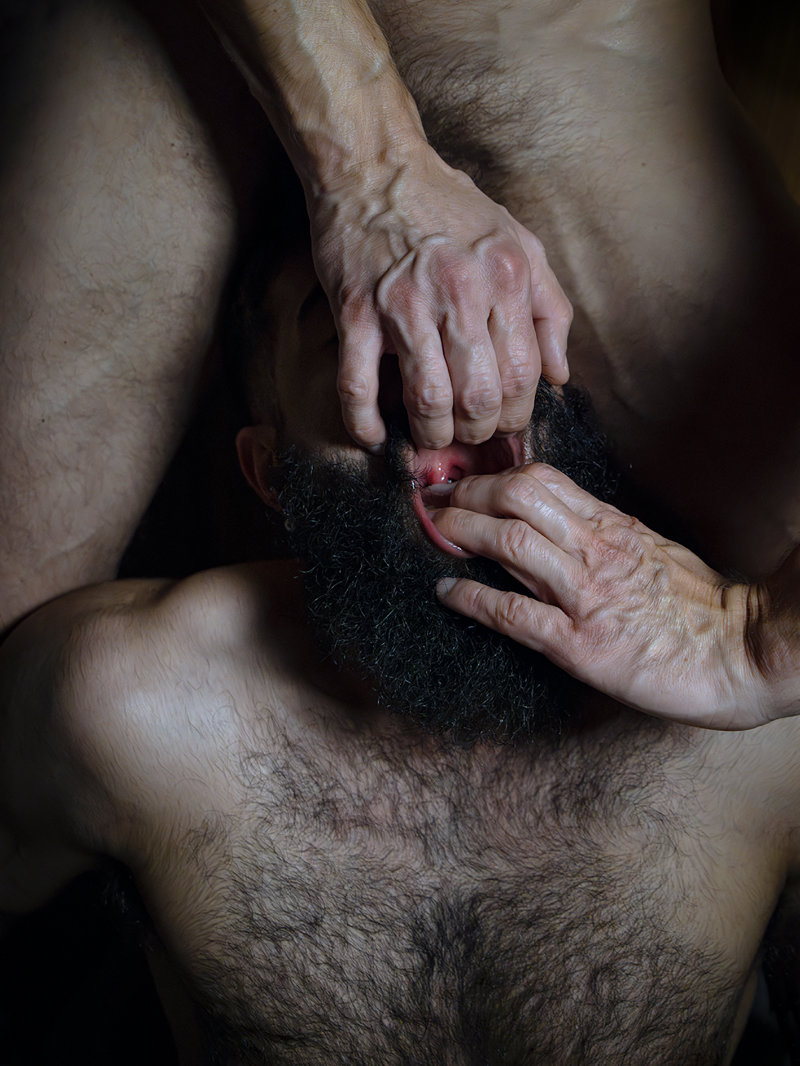
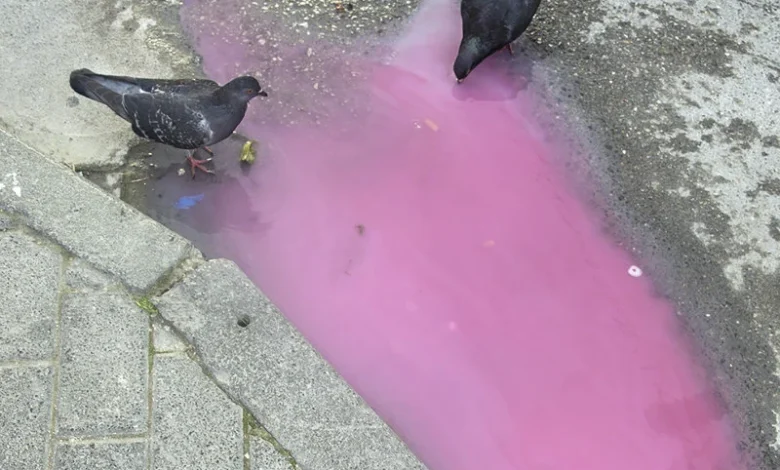
Technically, the work is characterized by a deliberate manipulation of atmosphere. Hetz employs a cold, clinical lighting palette that mimics the detached gaze of archival or medical documentation. However, this clinical aesthetic is frequently disrupted by flashes of intense, saturated color. This interplay between the sterile and the vivid serves as a visual metaphor for the tension inherent in the exhibition’s subject matter: the conflict between the familiar, rigid structures of society and the unexpected, chaotic nature of human existence and change.
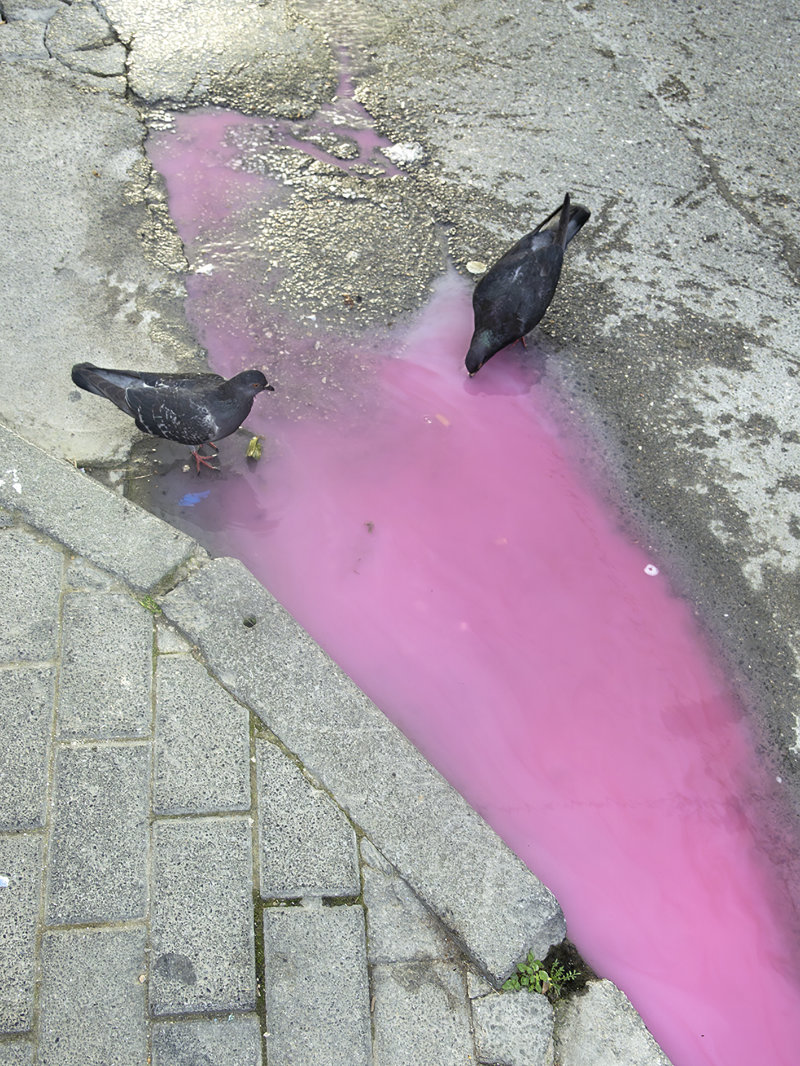
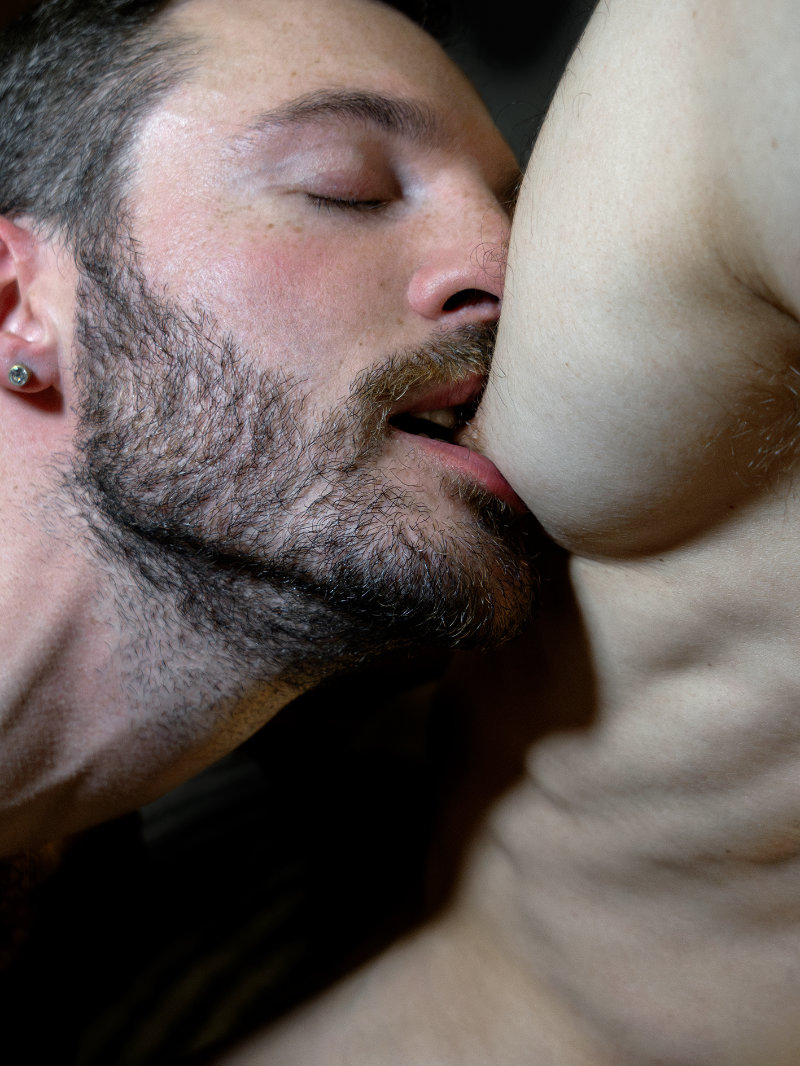
The subjects featured in the exhibition range from raw, visceral depictions of torsos and skin to the structural skeleton of demolished buildings. By placing these disparate subjects in conversation, Hetz bridges the gap between the internal, private experience of suffering and the external, public decay of the world at large. Themes of religious iconography—specifically motifs of sacrifice, martyrdom, and the promise of resurrection—are woven throughout the collection, offering a historical lens through which to view contemporary instability.

Historical Context and Artistic Precedents
To understand the significance of Hetz’s work, one must look at the historical tradition of "uncertainty photography" that emerged in the late 20th century, where artists began to use the medium not to document reality, but to question its reliability. Hetz’s work echoes the ethos of photographers who utilize the camera to probe the "in-between" spaces—the moments before a transformation or the aftermath of a quiet catastrophe.

Historically, DITTRICH & SCHLECHTRIEM has played a pivotal role in the Berlin art scene, consistently championing artists who engage with the conceptual boundaries of contemporary culture. The gallery’s decision to dedicate a solo exhibition to Hetz reflects a broader shift in the art market toward works that interrogate the mental health crisis and the fragility of the post-pandemic social contract. As Berlin continues to grapple with rapid gentrification and the loss of its historical "grittiness," Hetz’s focus on the decay of physical structures resonates with the city’s current socio-economic climate.

Analytical Implications: The Aesthetics of Collapse
The implications of nothing personal. but there will be signs… extend beyond the walls of the gallery. In an era defined by rapid technological shifts and political polarization, the concept of "structural collapse" has moved from a theoretical concern to a daily reality for many. Hetz’s work provides a visual vocabulary for this anxiety.
By refusing to offer a linear narrative or a comforting conclusion, Hetz shifts the responsibility of meaning-making onto the viewer. This is a critical departure from traditional documentary photography, which often seeks to explain or contextualize its subjects. Instead, Hetz’s images function as "signs" that require subjective interpretation. Whether the images represent the end of an era or the necessary destruction required for a new beginning remains an open question—one that the artist deliberately leaves unresolved.
The inclusion of religious imagery is particularly telling. In a secular age, the reliance on iconography of suffering and renewal suggests that humans continue to seek meaning in ancient patterns of trauma and redemption, even when faced with purely secular crises. This duality—the clinical, modern approach to the image contrasted with the timeless, almost spiritual themes—gives the exhibition a haunting, enduring quality.

Exhibition Logistics and Public Engagement
The exhibition is scheduled for a three-month run, providing ample time for the Berlin arts community and international visitors to engage with the collection. The location, Linienstrasse 40 in the heart of Berlin’s gallery district, positions the work within a high-traffic area that facilitates both academic discussion and public interest.

Event Details:

- Exhibition nothing personal. but there will be signs…
- Artist: Florian Hetz
- Venue: DITTRICH & SCHLECHTRIEM, Berlin
- Address: Linienstrasse 40, 10119 Berlin
- Dates: December 5, 2026 – February 27, 2027
- Hours: Tuesday – Saturday, 11:00 – 18:00
The gallery’s long-standing commitment to nurturing emerging and mid-career talent is evidenced by the scale of this exhibition. Observers in the art market note that this show is expected to influence upcoming trends in photography, particularly the move toward more intimate, identity-focused work that utilizes architectural elements to ground personal experience.

Broader Impact on the Contemporary Art Scene
The significance of this exhibition cannot be overstated in the context of the 2026-2027 season. As curators and institutions shift their focus toward works that explore the "human condition" in the face of environmental and political instability, Florian Hetz’s contribution provides a necessary, if uncomfortable, mirror to contemporary life.

By stripping away the artifice of traditional portraiture and focusing on the fragments—the skin, the bruise, the corner of a building—Hetz forces a confrontation with the reality of the present. The exhibition does not suggest that the breakdown of familiar systems is a tragedy to be avoided, but rather a phenomenon to be observed and potentially understood. In the words of those familiar with the artist’s process, the work is not intended to be "personal" in the sense of biographical confession, but rather "personal" in the sense that it concerns everyone. It is a testament to the resilience of the human spirit when faced with the inevitable, and it challenges the audience to look for the beauty—or at least the necessity—in the signs of change.
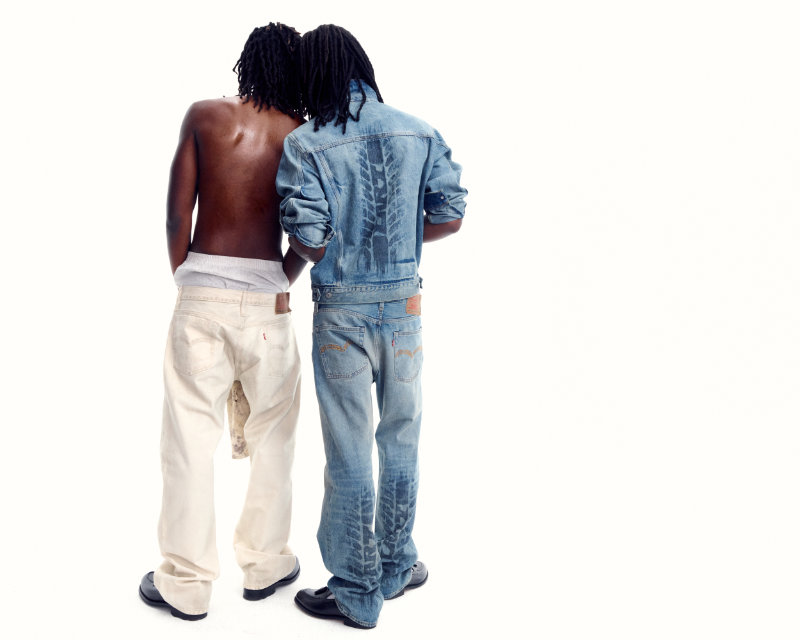
As the exhibition opens this December, it will undoubtedly spark conversations about the role of the artist in documenting the intangible stresses of the modern world. For those seeking to understand the intersection of memory, physical vulnerability, and architectural permanence, Hetz’s work at DITTRICH & SCHLECHTRIEM offers a compelling, albeit challenging, point of entry. The exhibition is not merely a collection of photographs, but a meditative inquiry into what remains when the structures we rely on begin to fail, and what new possibilities might emerge from the silence that follows.
Related posts: