Mothercare Faces Long-Term Uncertainty Amid Middle East Store Closures and Persistent Financial Pressures

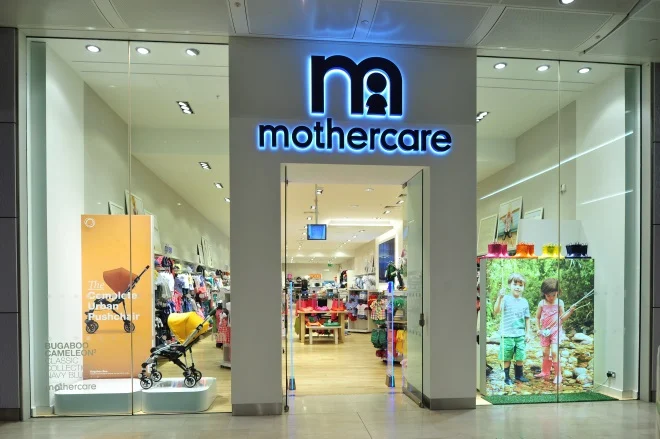
Mothercare has reported a narrowing of its adjusted operating losses for the 26 weeks leading up to September 26, yet the historic nursery brand finds itself navigating a critical juncture. Despite achieving a 40% year-on-year reduction in adjusted operating losses to £300,000, the company’s leadership has issued stark warnings regarding its long-term viability. The combination of looming structural changes in the Middle East, a substantial pension deficit, and ongoing covenant breaches on its debt facilities has cast a long shadow over the retailer’s future, prompting an urgent strategic review of its operations and financial obligations.
Financial Performance and Profitability Metrics
A detailed breakdown of Mothercare’s financial results for the first half of the year reveals a mixed picture of operational cost-cutting set against top-line pressures. Statutory operating profit experienced an uplift, reaching £1.9m, aided by a £2.2m adjusting item. However, beneath the surface of these statutory figures, underlying financial strains were evident.
The adjusted loss before tax doubled compared to the same period in the previous year, expanding to £2.2m. This deterioration was driven in part by rising net finance costs, which climbed from £1.1m to £1.9m. Furthermore, adjusted earnings before interest, taxes, depreciation, and amortization (EBITDA) dropped by 38% to £500,000, signaling continued margin compression.
Group revenue contracted significantly, falling 20% year-on-year to £9.3m. Adjusted gross profit followed a similar downward trajectory, declining 16% to £4.2m. Worldwide retail sales executed through the company’s global network of franchise partners also experienced a downturn, dropping 14% to £78.1m. Mothercare attributed this contraction primarily to geopolitical and economic turbulence in the Middle East, alongside the lingering impact of terminating its exclusive UK distribution agreement with health and beauty giant Boots late last year.
Balance Sheet Pressures and Banking Covenants
The company’s balance sheet remains a central concern for investors and analysts alike. Net debt increased to £9.3m, up from £5.8m in the comparative period, with cash reserves standing at £2.0m.
Crucially, Mothercare’s £10m loan facility remains in default as a consequence of breaching financial covenants. While the lender has granted some reprieve by extending the final repayment deadline to December 31, 2027, the default status underscores the fragility of the company’s capital structure. Compounding these debt challenges is a formidable pension deficit currently valued at £36.7m, a liability that continues to weigh heavily on the board’s strategic calculations and long-term planning.
Consequently, the board of directors has explicitly flagged material uncertainty regarding the group’s ability to continue as a going concern.
Middle East Operations and the Alshaya Partnership
The most profound threat to Mothercare’s commercial model stems from developments in the Middle East. Alshaya Group, Mothercare’s primary franchise partner in the region, is currently undertaking a comprehensive operational review. As a result of this evaluation, Alshaya expects to close the substantial majority of its Mothercare-branded stores across the region in 2027.
At the close of the last financial year, Alshaya operated 62 stores across nine countries in the Middle East. These retail outlets have historically served as a cornerstone of Mothercare’s international revenue generation, accounting for approximately 28% of the group’s total revenue. The impending closure of these stores represents a structural shock to the business, effectively dismantling a major pillar of its global franchise network.
The impact of the Middle East region on Mothercare’s broader performance cannot be overstated. When including the Middle East, like-for-like retail sales fell by 3% across the group. However, a closer examination of the data reveals underlying resilience in other international markets. Excluding the Middle East, like-for-like retail sales actually rose by 2%, propelled by robust growth in key territories such as India and Indonesia.
Chronology of Key Strategic Transitions
To understand Mothercare’s current predicament, it is necessary to examine the timeline of strategic shifts that have reshaped the business over recent years:
- Transition to an Asset-Light Franchise Model: Facing severe financial distress in its domestic market, Mothercare placed its UK retail operations into administration in 2019, closing all of its high street stores and transitioning exclusively to an online and franchise-led model.
- The Boots Partnership: In late 2020, Mothercare partnered with Boots to distribute its products across the UK, securing a steady stream of wholesale revenue. However, this exclusive distribution agreement was terminated by mutual understanding at the end of last year, further compressing the company’s domestic revenue streams.
- International Expansion and Resilience: While the UK presence diminished, the brand maintained a strong footprint overseas through master franchise agreements, particularly in the Middle East, South Asia, and Southeast Asia.
- Mounting Geopolitical Pressures: Throughout 2024 and 2025, regional instability in the Middle East—including the localized economic fallout from conflicts and heightened regional tensions—began to severely impact retail footfall and consumer confidence.
- Covenant Breaches and Debt Extensions: As international royalties and wholesale shipments slowed, Mothercare breached its financial covenants on its £10m debt facility, prompting negotiations with lenders that eventually secured a timeline extension to December 2027.
- The Alshaya Announcement: In late 2025, Alshaya revealed its intention to shutter the vast majority of its franchised Mothercare stores by 2027, triggering a formal review of the group’s going-concern status by Mothercare’s board.
Executive Commentary and Strategic Priorities
Addressing shareholders and the market, Mothercare chairman Clive Whiley emphasized both the underlying operational potential of the brand and the severity of the external shocks facing the business.
"The underlying strength of the business was demonstrated by the fact that excluding the Middle East and the UK, our total retail sales on a like-for-like basis were positive for the full year to March 2026," Whiley stated.
However, he acknowledged that the shifting landscape in key international markets has undermined the company’s trajectory. "However, the scheduled closure of the substantial majority of our leading Middle Eastern franchise partners’ franchised stores in the territory in 2027 has seriously undermined our core objectives."
Whiley added that while Mothercare possesses sufficient liquidity to continue routine trading operations for several months, immediate action is required. "Accordingly, although Mothercare has sufficient resources to trade for a number of months, the imperative is now to prioritise discussions to conclude our strategic review of all business and pension scheme options before the year end."
Broader Market Implications and Future Outlook
The challenges facing Mothercare reflect the complex vulnerabilities inherent in asset-light, franchise-dependent retail models. While pivoting away from direct store ownership shields brands from high property overheads and domestic retail volatility, it concentrates strategic risk onto a handful of major international partners. When a primary partner such as Alshaya undergoes a strategic realignment, the ripple effects can threaten the financial equilibrium of the entire corporate parent.
Beyond commercial partnerships, the resolution of Mothercare’s £36.7m pension deficit remains a critical hurdle. Any comprehensive restructuring plan will require the cooperation of pension trustees, lenders, and major shareholders to ensure that the liabilities can be managed alongside the diminished revenue base expected following the Middle East store closures.
As Mothercare approaches the conclusion of its strategic review ahead of the upcoming year-end, the focus will squarely remain on restructuring its debt obligations, addressing its pension obligations, and potentially identifying new international partnerships to replace the lost revenue footprint in the Middle East. Failure to secure a sustainable path forward risks placing the future of one of retail’s most recognized parenting brands in jeopardy.