Mastering Layered Compositions in Landscape Photography for Enhanced Visual Depth and Scale

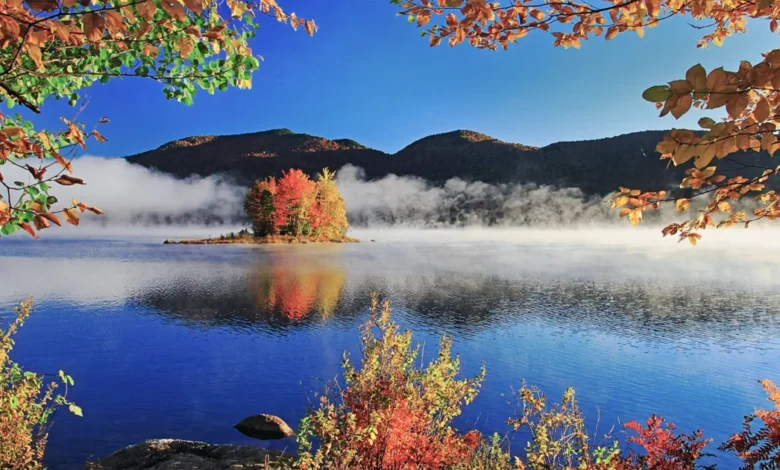
Landscape photography frequently presents a distinct technical and artistic challenge: scenes that appear overwhelmingly vast and awe-inspiring in person can easily translate into flat, uninspired two-dimensional images on a camera sensor. When photographs lose their inherent sense of distance, scale, and dimension, the emotional impact of the location is diminished. To combat this, professional photographers rely on thoughtful compositional layering. By intentionally connecting nearby foreground details with robust middle grounds and distant backgrounds, visual artists can guide a viewer’s eye seamlessly through the frame, creating an immersive illusion of three-dimensional depth.
The Structural Anatomy of Layered Landscapes
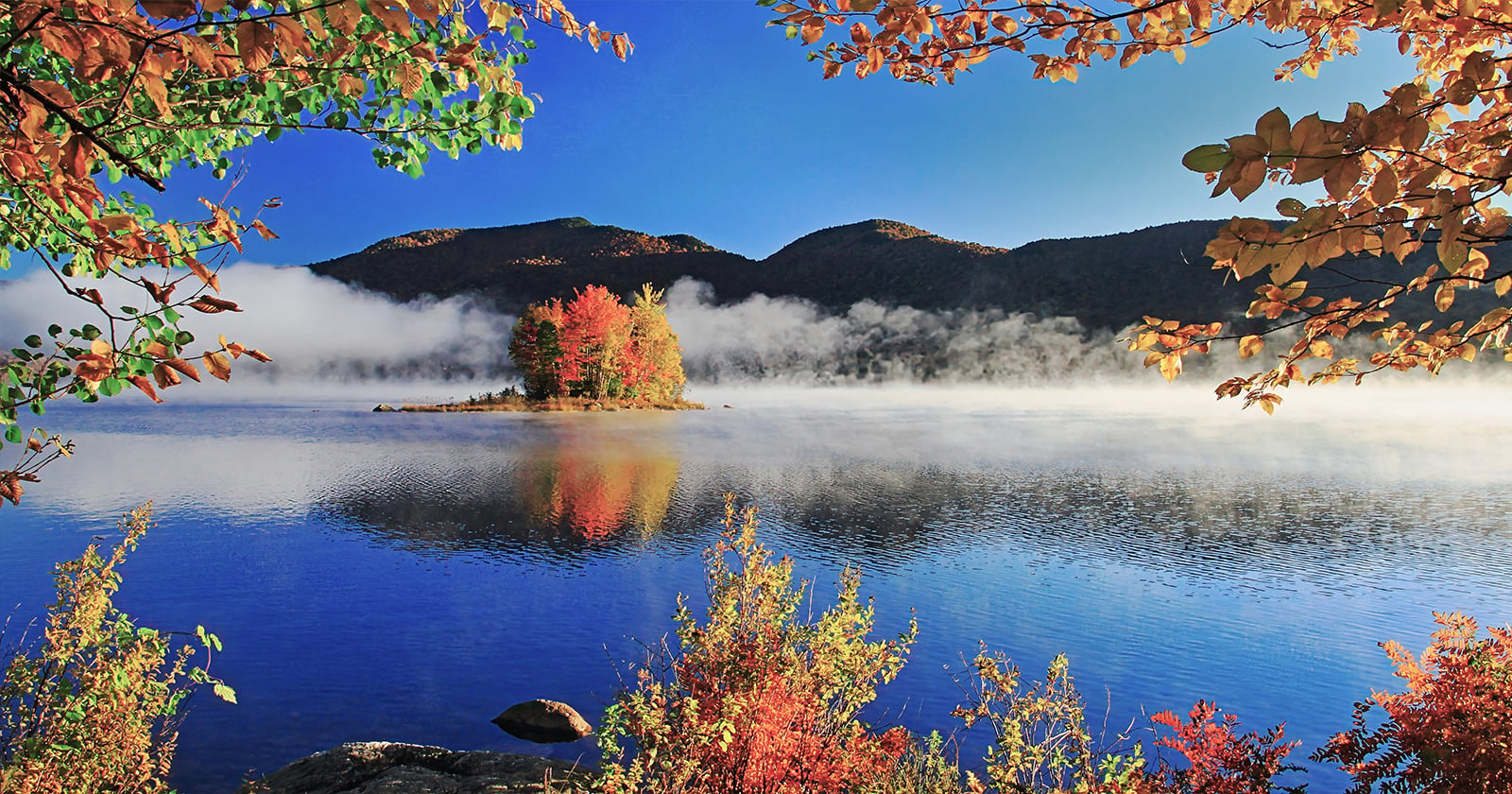
Creating a compelling sense of dimension within a photograph begins with a fundamental understanding of how the planes of a scene interact. Traditional landscape composition breaks a frame down into three primary zones: the foreground, the middle ground, and the background. Each zone carries a distinct responsibility in communicating distance and spatial relationships.
The foreground represents the immediate area closest to the camera lens. It functions as an essential point of entry, grounding the viewer and establishing a standard for scale. The middle ground acts as a bridge, occupying the transitional space between the immediate surroundings and the far-off horizon. Finally, the background delivers context, utilizing distant elements such as mountain ranges, rolling hills, or expansive skies to define the scale of the environment.
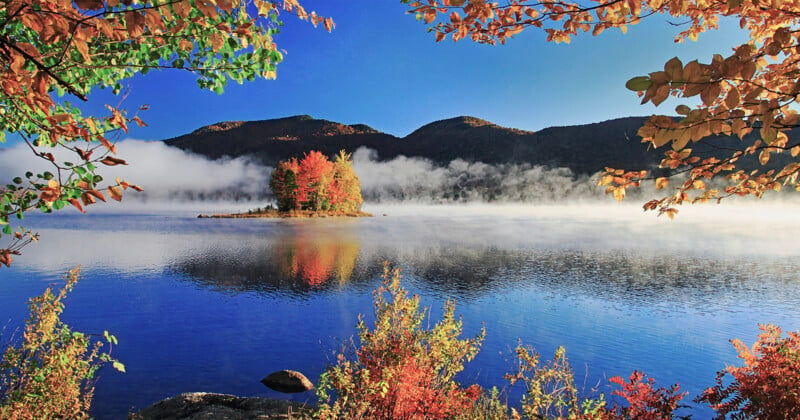
Industry statistics and visual analysis indicate that images incorporating deliberate foreground elements experience significantly higher viewer retention rates. This psychological engagement occurs because the human eye naturally seeks an anchor point before traveling deeper into a visual space. However, successful compositions do not necessarily require a strict adherence to a three-tier formula. A minimalist composition featuring a mountain peak perfectly mirrored in a calm alpine lake might rely entirely on two dominant planes, whereas a dense temperate rainforest can feature half a dozen overlapping canopies. The overarching objective is not formulaic compliance, but the astute identification of natural distance planes within the environment.
Leveraging the Foreground for Immediate Impact
A carefully chosen foreground transforms an ordinary vista into an invitation. Elements such as fractured rock formations, indigenous grasses, alpine wildflowers, fallen timber, or complex shoreline textures provide an immediate anchor. Rather than merely occupying the bottom edge of a frame, these near-field elements must establish a functional relationship with the broader landscape.
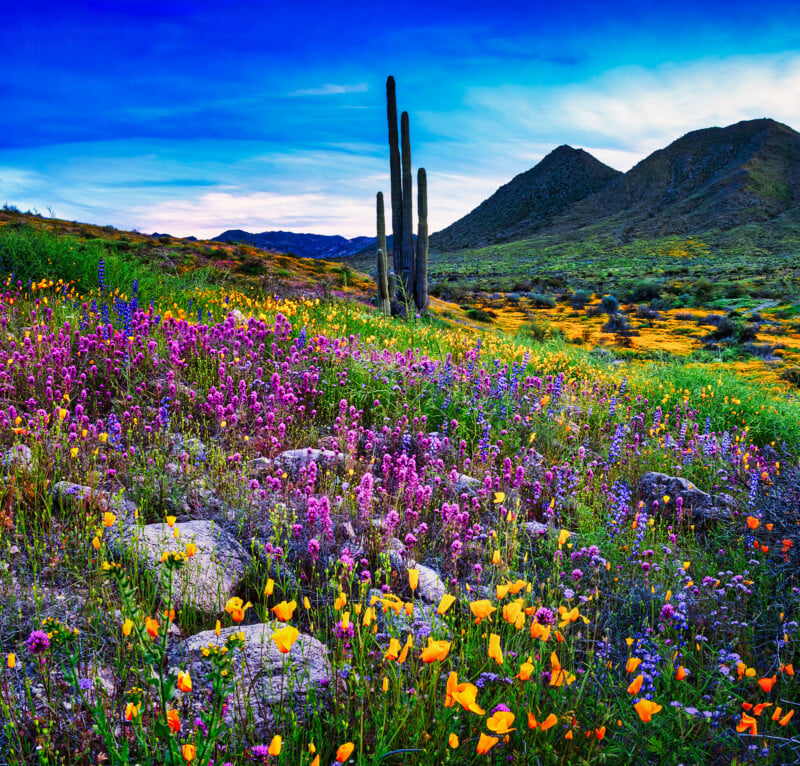
Camera placement plays a critical role in determining foreground prominence. Adopting a low-angle perspective increases the visual weight of nearby subjects, exaggerating their relative size against distant mountain ranges to forge dramatic depth. This technique is particularly effective when paired with ultra-wide-angle lenses. Nevertheless, proximity must be managed carefully. Positioning the camera excessively close to a foreground subject can easily overwhelm the frame, alienating the background entirely. Photographers must physically adjust their position forward and backward, evaluating how much real estate the foreground commands and ensuring it remains visually tethered to the distant horizon.
Bridging the Gap Through the Middle Ground
Often considered the most neglected zone in landscape photography, the middle ground requires deliberate cultivation. While many photographers focus heavily on finding a striking foreground subject and a dramatic background, they frequently leave the intervening space entirely vacant of visual interest.

The middle zone is vital because it sustains the viewer’s journey through the image. Suitable subjects within this tier include winding rivers, rolling hills, dense tree lines, agricultural valleys, and tiered waterfalls. These features create a natural pathway. For instance, a river snaking away from a rocky foreground shoreline provides a literal route for the eye to follow toward distant peaks. Similarly, rolling hills arranged in successive bands introduce a rhythmic cadence that reinforces the concept of receding space.
When a middle ground appears barren or disconnected, lateral movement along a trail or shoreline can fundamentally alter the geometry of the scene. Shifting position even a few feet to the left or right can align overlapping elements, revealing hidden geographical details and harmonizing the transition between near and far.
Establishing Separation and Overlap in Distant Elements
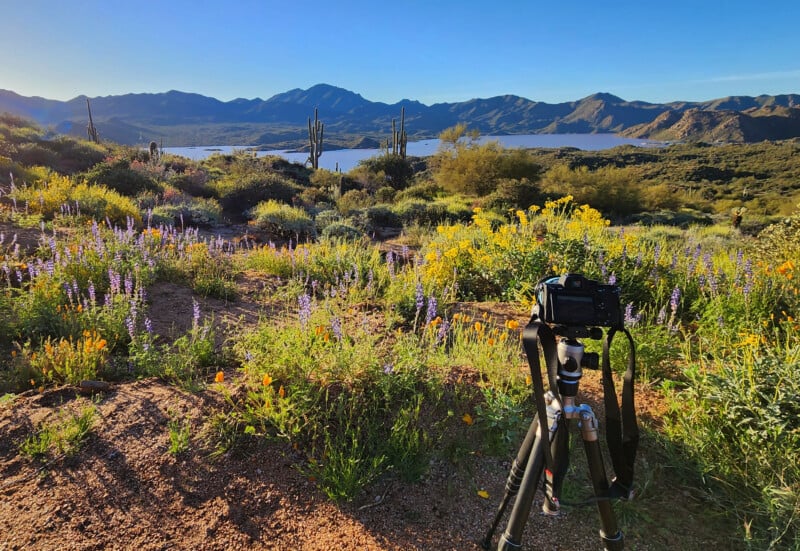
Background elements provide geographical context, but distant features run the risk of losing definition if they blend into a monolithic wall of tones. A mountain peak that matches the tonal value of a ridge directly behind it will inevitably lose its distinct silhouette. Preserving individual forms requires careful attention to light, weather, and atmospheric conditions.
Natural atmospheric phenomena serve as powerful tools for separation. Sidelighting illuminates the distinct contours of distant landforms, casting alternating bands of light and shadow across valleys and ridgelines. Furthermore, atmospheric haze, mist, and fog naturally reduce contrast as distance increases. This graduated loss of contrast creates subtle tonal shifts that emphasize the physical separation between successive layers.
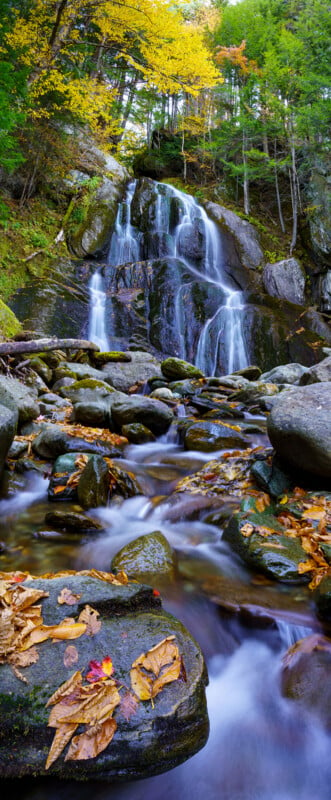
In tandem with atmospheric conditions, the geometric principle of overlap remains one of the most effective methods for communicating depth. When a foreground tree partially obscures a distant ridge, the human brain instantly decodes that the two objects occupy separate planes of distance, reinforcing the illusion of a three-dimensional space on a flat medium. However, precision is paramount; if an object completely conceals another, the spatial relationship dissolves, while a mere tangential touch creates visual friction. Minor adjustments in camera position or elevation can eliminate these awkward intersections.
Navigating Focal Lengths and Optical Compression
The choice of focal length fundamentally dictates how distance and scale manifest in a final photograph. Ultra-wide-angle lenses are indispensable when an impactful foreground is central to the narrative. Their expansive field of view captures nearby textures alongside distant horizons, utilizing perspective distortion to emphasize spatial depth.
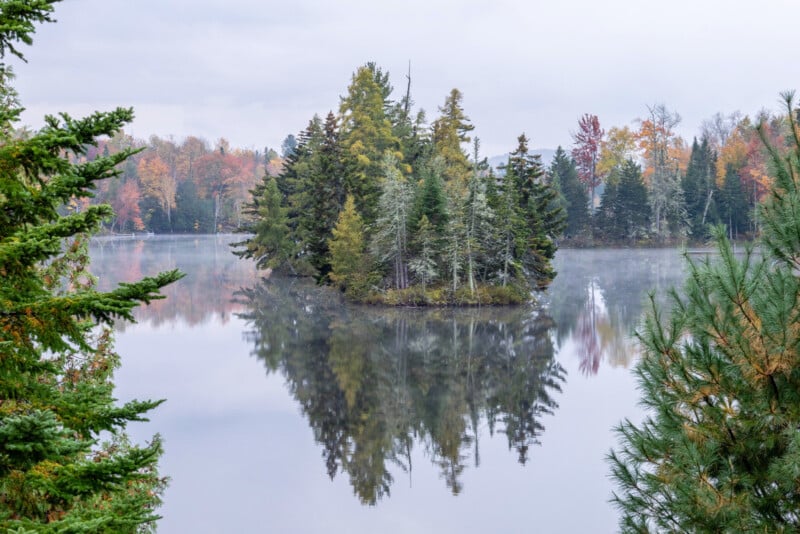
Conversely, telephoto lenses offer an entirely different compositional philosophy. Rather than exaggerating the distance between foreground and background, long focal lengths physically compress the scene, making distant elements appear closely stacked together. This optical compression is exceptionally useful for landscapes defined by repeating ridgelines, dense forests, or distant mountain ranges, transforming an open, scattered vista into a cohesive, graphic arrangement of shapes.
The Influence of Light and Meteorological Dynamics
Lighting conditions dictate whether a layered composition feels flat or dimensional. Midday sun, characterized by harsh, overhead illumination, tends to wash out tonal variations. In contrast, low-angle sunlight during the golden hours introduces dramatic sidelighting, carving out the topography of the land through sharp contrasts of light and shadow.
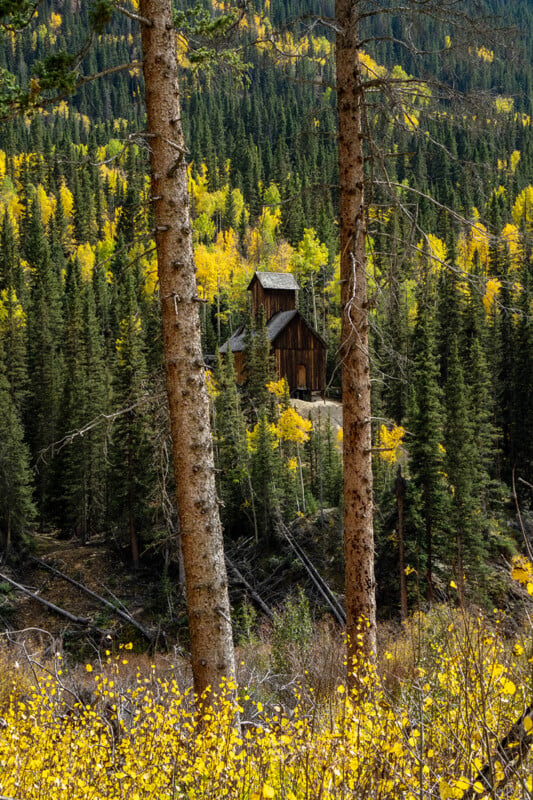
Weather events further enhance this dimensionality. Post-storm clearing often features localized shafts of sunlight breaking through clouds to spotlight specific zones of a landscape while leaving adjacent areas in shadow. Photographers operating under these dynamic conditions must work efficiently, utilizing tripods and capturing multiple exposures as the light sweeps across the terrain.
Mitigating Visual Clutter and Managing Technical Execution
While layering introduces depth, it can easily devolve into visual clutter. A frame packed with an aggressive foreground, a crowded middle ground, and a chaotic background overwhelms the viewer. Maintaining clarity requires identifying a primary subject and ensuring that all other layers actively support rather than compete with that anchor point.
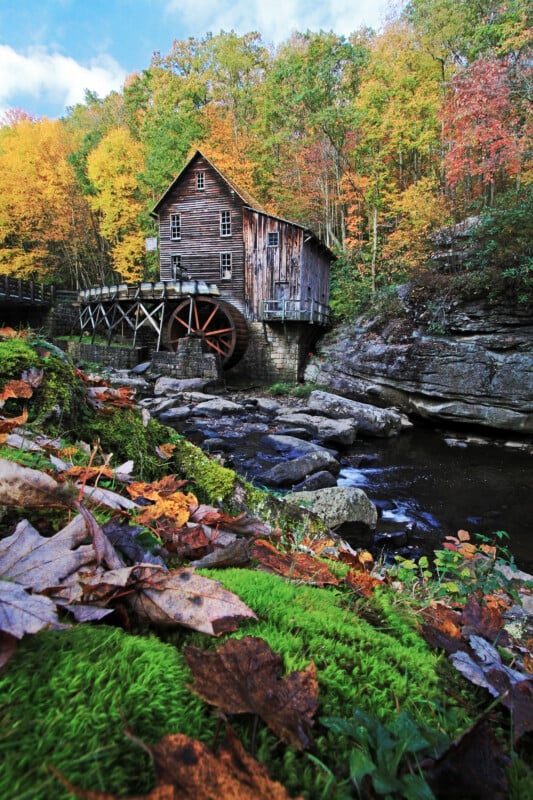
Technical execution must align with artistic intent. Achieving front-to-back sharpness in a static landscape typically involves selecting a mid-range aperture, such as f/8 or f/11, and focusing approximately one-third of the way into the frame. When extreme foregrounds and distant backgrounds prevent simultaneous sharpness within a single exposure, focus stacking emerges as a reliable methodology. Ultimately, mastering layered compositions demands patience, methodical field assessment, and an unwavering commitment to intentional visual storytelling.