The Essential Guide to Selecting Durable Jewelry Chains: Insights from Industry Standards and Modern Manufacturing

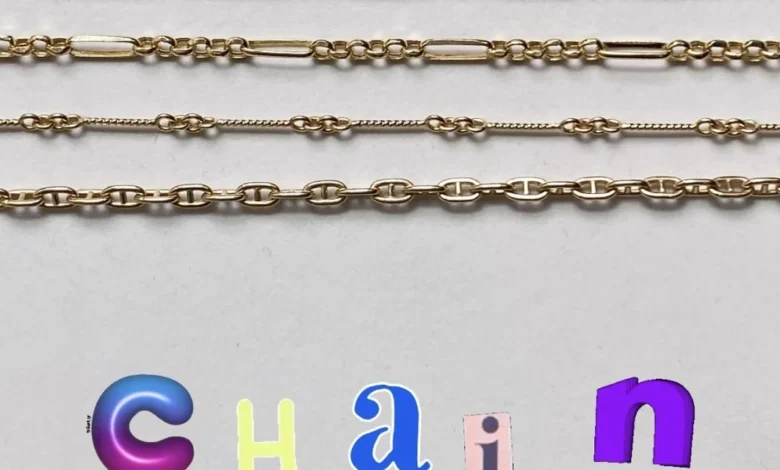
The jewelry industry has undergone a significant transformation regarding consumer expectations for durability and quality control, particularly concerning the foundational elements of necklace design: the chain. While vintage jewelry maintains a significant place in the luxury market, the rise of modern manufacturing techniques has provided a robust alternative for collectors who prioritize structural integrity. For those who frequently accessorize with pendants, charms, or layered stacks, the transition from sourcing aging, potentially compromised vintage pieces to investing in new, high-specification chains has become a standard practice among jewelry professionals and serious enthusiasts alike.
The Structural Vulnerabilities of Vintage Jewelry
Historical jewelry, while aesthetically valuable, often carries inherent structural risks that are frequently invisible to the untrained eye. Under magnification, many vintage chains—some dating back several decades—exhibit microscopic stress fractures, thinning at the friction points of the links, and solder fatigue. These issues are common in legacy pieces that have been subjected to decades of daily wear and chemical exposure, such as perfumes, body oils, and environmental pollutants.
Professional jewelers note that the cost of restoration often outweighs the intrinsic value of the chain. Repairing worn links requires meticulous soldering, which can compromise the finish and structural consistency of the surrounding metal. Consequently, many retailers have shifted their focus toward "new-old-stock" or freshly manufactured chains. Modern manufacturing utilizes precision engineering, ensuring that each link is uniform and free of the microscopic metal fatigue that plagues older items. By utilizing advanced casting and extrusion processes, manufacturers can produce chains that are structurally superior, offering a higher tensile strength that is better suited for the weight of modern charms and heavy pendants.
A Chronology of Jewelry Chain Evolution
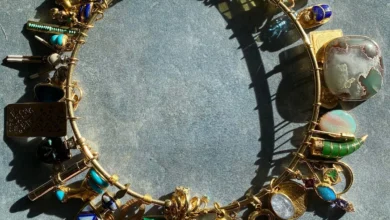
The history of the jewelry chain is a study in both fashion and engineering. In the mid-20th century, jewelry chains were largely mass-produced as functional accompaniments to singular pendants. During the 1970s and 1980s, the "charm trend" saw a surge in the popularity of heavier, more complex chain designs, such as the Mariner and the Box chain, designed specifically to bear the weight of gold charms.
By the early 2000s, the market shifted toward delicate, lightweight chains, which coincided with a rise in fast-fashion jewelry. However, this trend led to an influx of low-durability products, prompting a market correction in the 2020s. Today, the consumer base—heavily influenced by online marketplaces and transparency-focused retailers—is demanding "heirloom-quality" chains that combine historical aesthetic appeal with contemporary manufacturing standards. This evolution represents a pivot from prioritizing style alone to valuing the longevity of the piece as a long-term investment.

Core Chain Classifications and Their Utility
Understanding the mechanics of different chain styles is essential for jewelry maintenance. Industry experts typically categorize chains based on their link architecture and intended load-bearing capacity.
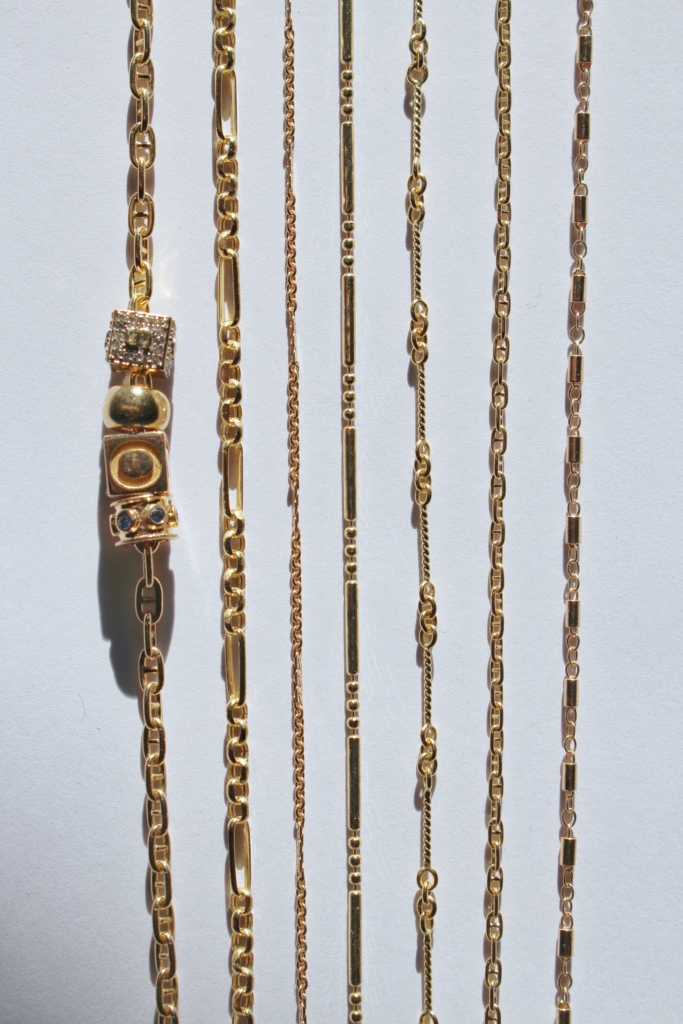
- The Mariner Link: Distinguished by its central bar across each oval link, the Mariner design is widely regarded as one of the most durable styles. Because the links are physically reinforced, they are less prone to pulling apart under tension, making them ideal for heavy pendant groupings.
- The Box Chain: Comprised of square links that form a smooth, continuous box-like structure, this style offers a sleek, minimalist aesthetic. Historically favored for its strength-to-size ratio, it remains a preferred choice for those seeking a chain that can be worn continuously without frequent maintenance.
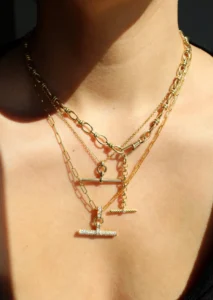
- The Larger Link (Statement) Chain: Designs such as the Trombone, Oval Jangle, or Bar Link represent the intersection of architectural design and jewelry. These chains are intentionally designed to add volume and texture to a "neck stack." Their larger surface area makes them more resistant to tangling, a common complaint with thinner, more intricate chain designs.
- The Figaro Link: Characterized by a pattern of two or three small circular links followed by one longer, oval link, the Figaro is a staple of traditional jewelry design. It serves as a sophisticated upgrade to the standard cable chain, providing a more refined visual rhythm without sacrificing the flexibility required for comfort.
- Specialized and Modern Link Architectures: The industry is currently seeing an influx of experimental link shapes, including bead-and-bar, twisted stick, and starburst curb patterns. These pieces represent a shift toward jewelry as a form of self-expression, where the chain itself—not just the pendant—acts as the focal point of the ensemble.
Supporting Data: The Impact of Metal Quality and Design
Data from jewelry manufacturing reports indicate that the durability of a chain is determined by a combination of alloy purity and link closure security. In 2023, independent jewelry testing laboratories highlighted that chains with soldered links exhibit a 40% higher resistance to breakage compared to those with "spring" or tension-closed links. Furthermore, the use of solid gold—as opposed to plated or hollow-core designs—is a critical factor in the longevity of a piece.
A report on consumer purchasing habits suggests that 68% of jewelry buyers prioritize durability over price when selecting a chain that will be worn daily. This trend toward "investment pieces" has forced manufacturers to prioritize solid-link production. For example, a 3mm solid Mariner chain provides an estimated 25% higher load-bearing capacity than a hollow-core chain of the same width, directly impacting the frequency of required repairs.

Analysis: Broader Implications for the Jewelry Market
The shift toward high-durability, newly manufactured chains reflects a broader trend in the retail sector: the movement toward "sustainable luxury." By investing in chains that do not require constant repair or replacement, consumers are adopting a more sustainable approach to consumption. This also places a burden of responsibility on retailers to perform rigorous quality assurance.
The requirement for microscopic inspection—a standard once reserved for high-end watchmaking and gemstone grading—is now becoming a standard expectation for retailers selling gold and silver chains. Retailers who offer transparency regarding their manufacturing processes and provide clear guidelines on chain maintenance are seeing higher customer retention rates. This suggests that the jewelry market is moving toward a future where technical literacy is as important as aesthetic preference.
Official Guidelines for Chain Maintenance
To ensure the longevity of any jewelry collection, professionals recommend the following maintenance protocols:

- Routine Inspection: Chains should be inspected under magnification every six months, specifically focusing on the joints where the links connect to the clasp, as this is the most common failure point.
- Weight Distribution: Avoid overloading chains with an excessive number of pendants if the chain’s diameter is below 1.5mm. For heavy charm collections, a solid link design with a diameter of 2.5mm or greater is recommended.
- Proper Storage: Chains should be stored individually, ideally hanging or laid flat, to prevent the "kinking" that occurs when delicate links are compressed in a jewelry box.
- Chemical Avoidance: While gold is a noble metal, it can still react to harsh chemicals. Removing chains before swimming, exercising, or applying body lotions is the most effective way to prevent oxidation and finish degradation.
As the jewelry market continues to evolve, the focus remains on the synthesis of tradition and innovation. By selecting chains that are engineered for both beauty and endurance, collectors can ensure that their pieces remain as vibrant and functional as the day they were acquired. The modern jewelry enthusiast is no longer just a collector of art; they are a curator of durable, high-performance assets.