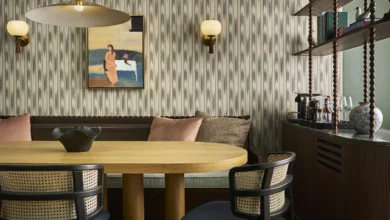
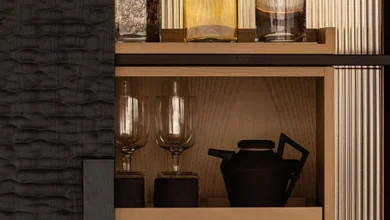
The Resurgence of Burlwood: How Contemporary Designers Are Revitalizing a Historic Material

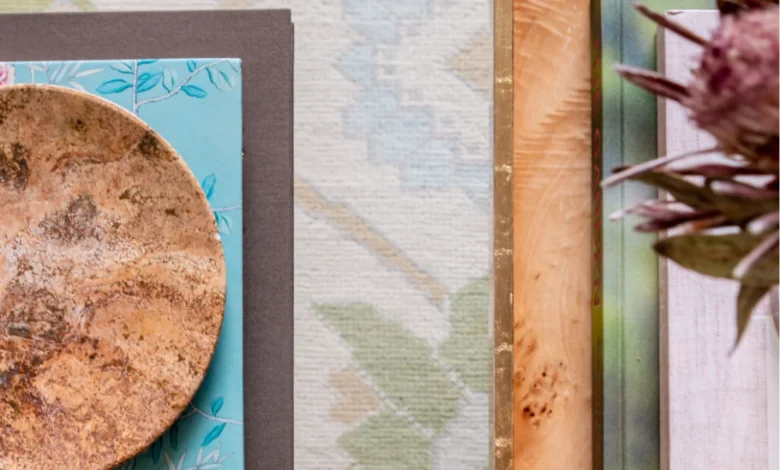
Few materials command attention in contemporary interior architecture quite like burlwood, distinguished by its mesmerizing, highly individualized swirling patterns and rich organic depth. Derived from burls—distinctive, rounded arboreal growths traditionally triggered by natural stress, injury, or localized infection—this wood grain possesses an irregular geometry that defies mechanical replication. As modern homeowners increasingly pivot away from hyper-homogenized, mass-produced aesthetics in favor of collected, character-rich spaces, burlwood is undergoing a significant design renaissance. To understand the mechanics of this revival, industry publication Design Milk recently consulted four prominent interior designers: Tiffany Brooks, Abbe Fenimore, Eddie Maestri, and Mimi Meacham. Their insights reveal how a medium deeply rooted in historical periods like the Art Deco movement and the 1970s maximalist era is being purposefully re-contextualized for modern living environments.
A Historical Chronology: From European Cabinetry to Modern Interiors
To fully comprehend the enduring allure of burlwood, interior design historians trace its lineage back centuries, noting its prominence among master French cabinetmakers who prized the chaotic grain for intricate marquetry and fine furniture inlay. Because harvesting burlwood requires specialized cutting techniques—often sliced into delicate veneers to stabilize the naturally volatile wood—it has historically signaled luxury, craftsmanship, and bespoke manufacturing.
The material first achieved widespread commercial prominence during the roaring Art Deco movement of the 1920s and 1930s. During this era, streamlined furniture silhouettes were frequently wrapped in high-gloss, bookmatched burl veneers to project modern opulence and sleek geometric symmetry. Decades later, burlwood experienced a massive resurgence during the 1970s. In that epoch of interior design, heavily figured chrome-and-burl coffee tables, credenzas, and modular wall units defined luxurious, earth-toned domestic spaces.
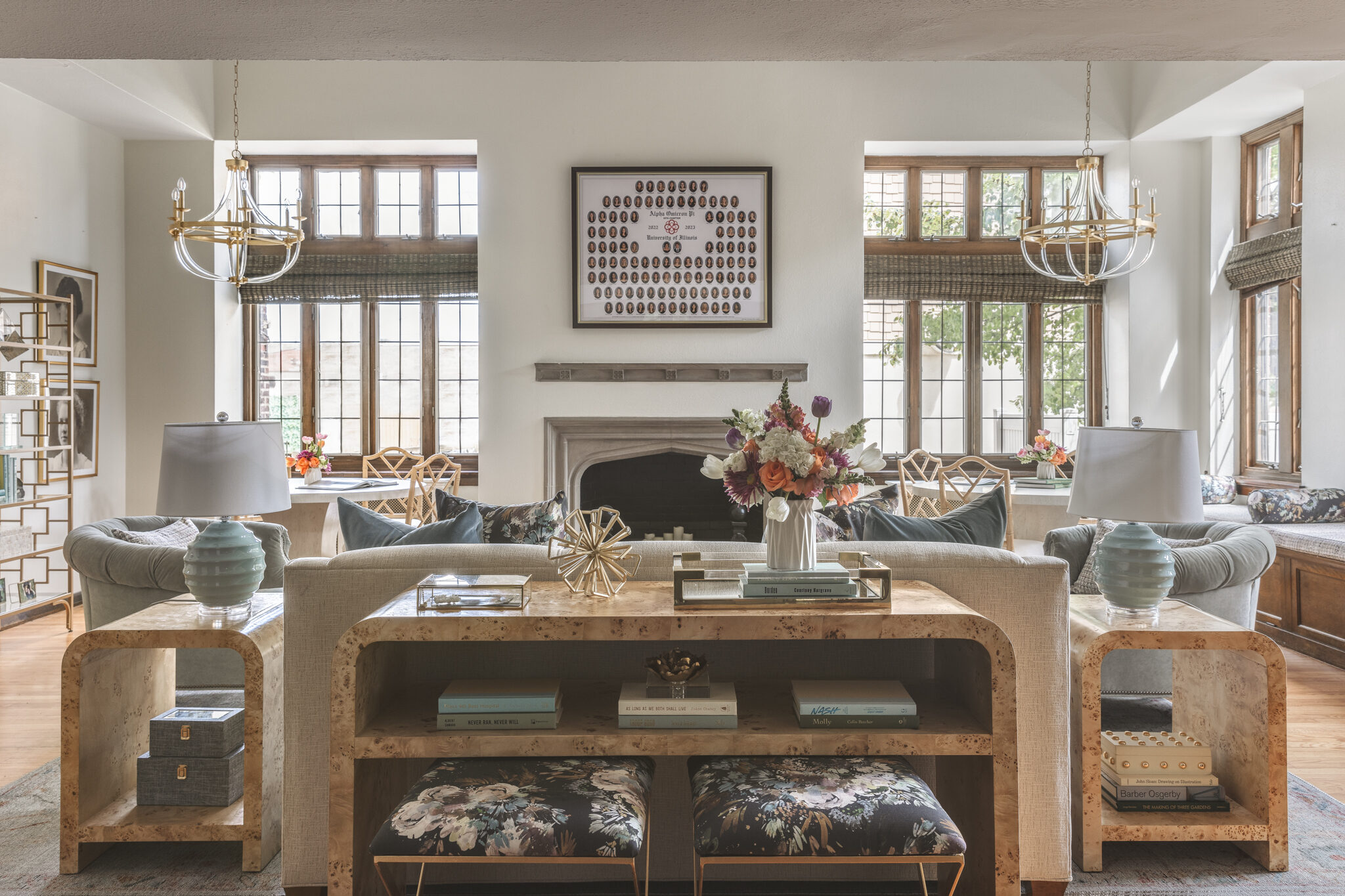
Today’s revival, however, breaks away from strict historical pastiche. Rather than blindly replicating the heavy, polished glamour of the 1970s or the sleek austerity of the 1930s, contemporary designers are deploying burlwood with tactical restraint. By juxtaposing its chaotic, organic patterns against clean-lined contemporary silhouettes, matte architectural finishes, and unexpected color palettes, today’s design professionals are proving that burlwood can anchor environments ranging from minimalist urban apartments to transitional suburban residences.

Anatomy of a Visual Statement: Designer Perspectives
Industry leaders emphasize that burlwood functions similarly to a high-end graphic textile or an expressive piece of abstract art within a room. Tiffany Brooks, principal designer of Tiffany Brooks Interiors, highlights the material’s unique dual-read capability. Up close, viewers can trace minute knots, eyes, and sweeping organic swirls, yet from across a space, the surface reads as a cohesive, highly saturated field of texture. Brooks notes that no two harvested burls are ever identical, guaranteeing absolute individuality for the end consumer.
Abbe Fenimore, owner of Studio Ten 25, echoes this sentiment, pointing out that burlwood allows designers to introduce complex visual interest and tactile richness without relying on printed fabrics or overly aggressive wallpapers. For Eddie Maestri, founder and creative director of Maestri Studio, the core appeal of the material lies precisely in its structural imperfections. Maestri asserts that the inherent irregularity of the grain cannot be artificially fabricated, giving handmade burl pieces a distinct soul that counters the sterile perfection of mass-market furniture.

Furthermore, designers note that burlwood serves as an exceptional bridge across conflicting eras and design styles. Its capability to simultaneously read as vintage and hyper-modern allows newly manufactured case goods to instantly acquire the gravitas of a treasured antique heirloom collected over decades.
Taxonomy and Selection: Choosing the Right Burl Species
Navigating the market for burlwood requires an understanding of the specific tree species from which the burls are harvested. Walnut, maple, and mappa burl (derived from poplar) each exhibit distinct chromatic properties, grain densities, and visual weights that dictate their applications in high-end interior architecture.

Tiffany Brooks utilizes walnut burl when tasked with introducing deep, moody shadows and profound visual weight into a room, whereas maple burl provides similar kinetic grain movement within a significantly lighter, softer palette. For striking, high-contrast visual statements, Brooks frequently leans toward mappa burl.
Eddie Maestri identifies mappa burl as his definitive go-to material. Because it tends to feature a lighter, more golden undertone than dark walnut, mappa burl introduces dynamic movement without overwhelming the spatial volume or making a room feel visually compressed. Mimi Meacham, founder of Marian Louise Designs, evaluates pieces based on holistic aesthetic harmony rather than strict species classification. Meacham emphasizes that the specific color saturation, the scale of the grain’s figuring, and the final protective coating dictate how a piece will perform within a spatial layout.
Material Pairing and Spatial Integration Strategies

Because burlwood inherently commands visual dominance through its chaotic grain structure, surrounding finishes and complementary materials must be curated with strategic intent. Designers caution against surrounding burl pieces with overly competitive patterns; instead, they recommend pairing the wood with tactile, grounding elements such as unlacquered brass, matte wall paints, natural stone, plaster, and heavy textiles like nubby linen, mohair, and velvet.
Color theory plays a crucial role in modern burlwood styling. Brooks successfully pairs honey-toned burlwood case goods with saturated backdrops such as deep aubergine, inky midnight blue, and rich charcoal. Similarly, Fenimore integrates burlwood with soft coastal blues, earthy olive greens, and calculated, vibrant pops of red or pink. Maestri favors an earth-centric palette featuring tobacco, ochre, soft plaster white, and warm terracotta, ensuring the finish exhibits a subtle, low-luster sheen that emphasizes the wood’s natural depth rather than looking overly plastic or lacquered.
Architectural Applications and Market Availability

The current wave of interior design innovations sees burlwood expanding far beyond traditional freestanding case goods like nightstands, credenzas, and cocktail tables. Leading designers are incorporating burl wood veneers into architectural elements, such as kitchen island backsplashes, custom wall paneling, and dramatic door insets, where disciplined restraint maximizes the visual impact.
The commercial marketplace has responded robustly to this surging consumer demand. High-end trade and retail resources—including Worlds Away, Soho Home, Ambella Home, Made Goods, Jonathan Adler, and curated vintage marketplaces like Chairish and 1stDibs—currently feature extensive lines of sculptural burlwood furniture. From Soho Home’s curved mappa burl credenzas to Jonathan Adler’s boundary-pushing pairings of burlwood with clear acrylic and polished metal, manufacturers are actively redefining how the material interacts with contemporary forms.
Methodology for Integration: Best Practices for Homeowners

For design enthusiasts and homeowners hesitant to commit to large-scale burlwood installations, industry professionals recommend adhering to the foundational rule of interior focal points: select a single, high-impact item and let it command the space. Whether introducing a compact drink table, an entryway mirror framed in mappa burl, or a decorative serving tray, a singular touch of burlwood can instantly elevate a room.
Designers stress that attempting to match wood tones across an entire interior is an outdated methodology. Burlwood thrives when mixed deliberately alongside disparate wood species, provided the overall room composition allows the eye places to rest through intentional styling, balanced negative space, and varied surface finishes.
Ultimately, the contemporary resurgence of burlwood transcends cyclical trends. By stripping away past historical constraints and integrating the raw, unpredictable beauty of nature into sleek, modern silhouettes, designers have secured burlwood’s enduring status as a timeless staple of high-end residential architecture.