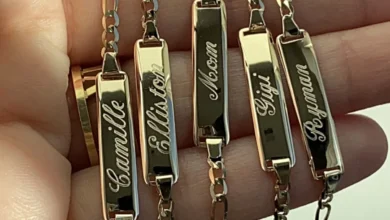
The History and Resurgence of the Classic ID Bracelet in Contemporary Fine Jewelry

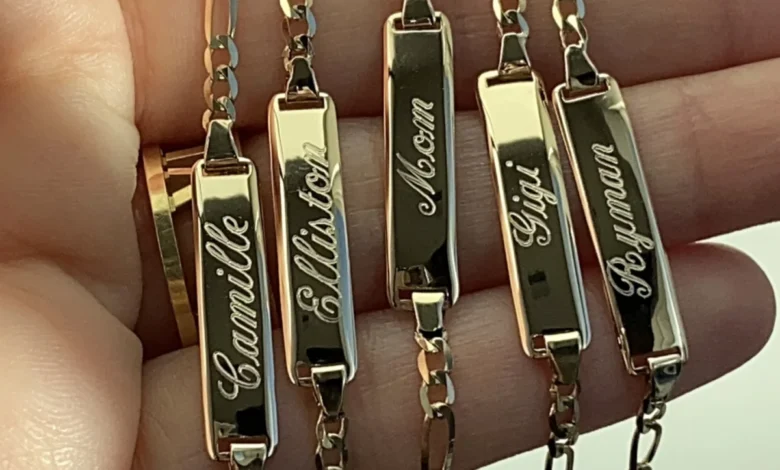
The ID bracelet, a staple of jewelry design for over a century, has recently experienced a significant revival within the luxury e-commerce sector, driven by a renewed consumer interest in personalized, sentimental, and durable accessories. Often categorized by its distinct central plaque—traditionally used for engraving names, dates, or identification—the ID bracelet serves as a case study in how vintage aesthetic trends are successfully adapted for modern jewelry collections. This trend, bolstered by the success of boutique e-commerce platforms like Gem Gossip, reflects a broader shift in consumer behavior toward "investment pieces" that prioritize daily wearability and personal narrative over fleeting fashion cycles.
A Historical Perspective on the ID Bracelet
The ID bracelet gained prominence in the early 20th century, most notably during World War I and World War II. Known formally as "identification bracelets," these pieces were issued to military personnel to ensure rapid identification in the event of injury or fatality. These wartime iterations were typically utilitarian, constructed from stainless steel or silver with a simple, rugged link chain.
Following the end of the Second World War, the design transitioned from a functional military requirement to a civilian fashion statement. Throughout the 1950s and 1960s, the ID bracelet became a popular gift for teenagers and young adults, often serving as a symbol of romantic commitment or friendship. The transition from industrial material to precious metals—such as 14k gold and sterling silver—marked the bracelet’s entry into the fine jewelry market.
The Evolution of the Jewelry Retail Landscape
The current resurgence of this accessory is inextricably linked to the democratization of fine jewelry retail. As the industry shifts from traditional brick-and-mortar storefronts to direct-to-consumer (DTC) digital platforms, the barriers to entry for curated, specialized jewelry have diminished.
Industry data suggests that the "personalized jewelry" market is currently one of the fastest-growing segments in the broader luxury goods sector. A recent market analysis indicates that consumers are increasingly seeking pieces that offer a sense of "permanence." Unlike costume jewelry, which is often discarded after a season, the modern ID bracelet is being marketed as a legacy item—a piece designed to endure daily activity, including showering and exercise.
The professional trajectory of figures within the industry often highlights this shift. Many contemporary jewelers began their careers in entry-level sales positions, where the exposure to the tangible quality of precious metals fostered a deeper appreciation for craftsmanship. For instance, early experiences in traditional retail environments often involved observing the mechanical aspects of jewelry—such as clasp durability, link tension, and the patina process—which now informs the production of modern, high-end pieces.
Design Principles and Manufacturing Standards
Modern iterations of the ID bracelet prioritize structural integrity. Key design features that have become standard for high-quality pieces include:
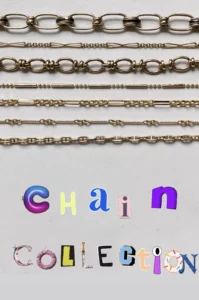
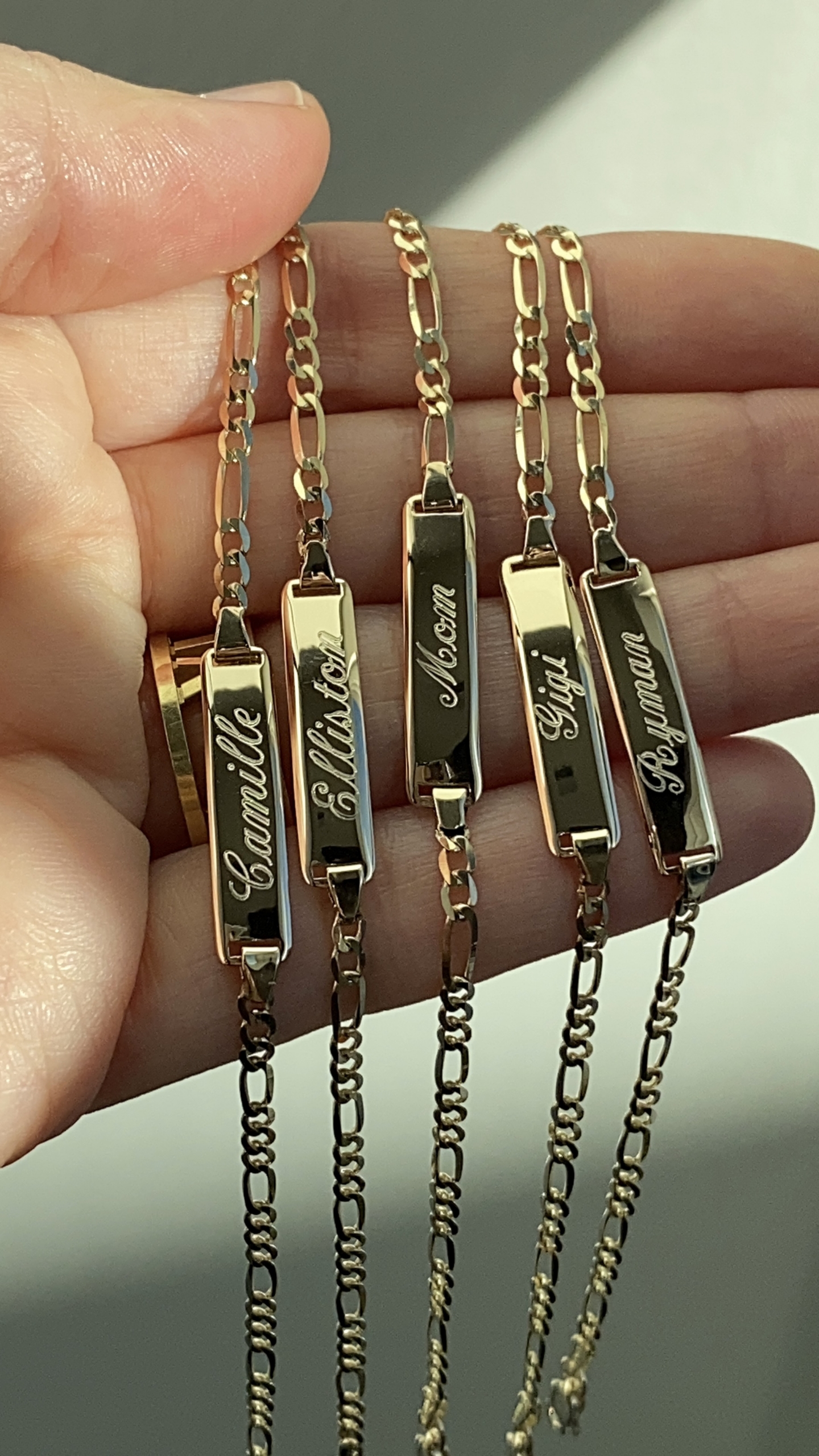
- Link Construction: The Figaro chain remains a preferred choice for its balance of aesthetic appeal and mechanical strength. The Figaro pattern—typically consisting of a repeating sequence of three small circular links followed by one elongated oval link—offers a flat profile that lies comfortably against the wrist.
- Materiality: High-karat gold or heavy-gauge sterling silver is required to withstand the "patina of use." Unlike cheaper alloys that may oxidize or degrade under constant exposure to the elements, these materials develop a surface character that many collectors view as an indicator of longevity.
- The Plaque Geometry: The central plaque must be calibrated for weight and thickness to ensure it does not flip or rotate constantly, a common issue with inferior designs.
Retailers who have successfully re-introduced the ID bracelet often utilize a "curated collection" model. By integrating personal history into the product line—such as designing pieces that mirror the dimensions of vintage models—designers are able to bridge the gap between nostalgic appeal and contemporary functional requirements.
Consumer Behavior and Personalization
The rise of the ID bracelet is also a reflection of the "democratization of sentiment." Modern consumers are no longer content with off-the-shelf luxury. The demand for bespoke engraving services—whether to commemorate the names of children, significant dates, or personal mottos—has transformed the ID bracelet from a mere accessory into a customized document of the wearer’s life.
Statistically, items that allow for personalization see a significantly lower return rate and higher customer retention for jewelry retailers. When a customer participates in the customization process, they form a deeper psychological attachment to the item. This is supported by anecdotal evidence from the retail sector, where customers report wearing personalized ID bracelets for years without removal, thereby testing the durability of the clasp and links through daily physical wear.
Industry Implications: Quality Over Quantity
The trend toward the ID bracelet underscores a broader movement within the fine jewelry industry: a rejection of "fast fashion" in favor of items that possess an inherent, long-term value. This is not merely an aesthetic preference but a functional one.

In the late 20th century, many mass-produced jewelry items were criticized for their lack of durability, particularly regarding the spring-ring or lobster-claw clasps. Contemporary boutique designers have addressed this by upgrading hardware specifications. The "stress test" applied by consumers—wearing jewelry during daily chores, sleeping, and exercise—has become the gold standard by which manufacturers now measure product quality. If a piece cannot survive a three-year period of continuous wear, it is increasingly viewed as failing to meet modern consumer expectations.
Economic Impact and Future Outlook
The jewelry industry is projected to see continued growth in the mid-market segment, specifically for items priced between $300 and $1,500. The ID bracelet fits perfectly into this "attainable luxury" category. By offering a product that feels substantial and personal, yet remains accessible for gifting, retailers are capturing a demographic that may be priced out of high-end diamond houses but seeks more than the transient appeal of fashion jewelry.
Furthermore, the integration of e-commerce with professional, high-quality imagery and detailed product narratives has proven effective in converting online shoppers. The ability to view the "patina" or the "scratches" on a well-loved piece via digital platforms allows consumers to envision how their own purchase will age. This transparency—showing the wear and tear of a product over time—has become a potent marketing tool, as it validates the product’s durability in a way that polished, brand-new studio photography cannot.
Conclusion: A Lasting Legacy
The ID bracelet serves as a testament to the enduring nature of functional design. By evolving from its origins as a military identification tool to a staple of modern personal expression, the piece has secured its place in the jewelry canon. The current market trends suggest that as consumers continue to prioritize authenticity and longevity, the demand for such personalized, durable items will persist.
For the modern jeweler, the challenge remains in maintaining the delicate balance between historical reverence and contemporary innovation. As seen in the recent success of boutique jewelry lines, the formula for success lies in the details: the specific width of a Figaro link, the weight of the plaque, and the ability to turn a piece of metal into a permanent fixture of the wearer’s daily life. Whether passed down through generations or purchased as a modern milestone gift, the ID bracelet continues to function as both a decorative object and a repository of personal history, proving that in the world of fine jewelry, the most enduring pieces are often those that tell a story.