The Evolution of Antique Jewelry Curation and the Rise of the Talismanic Aesthetic in the Modern Secondary Market

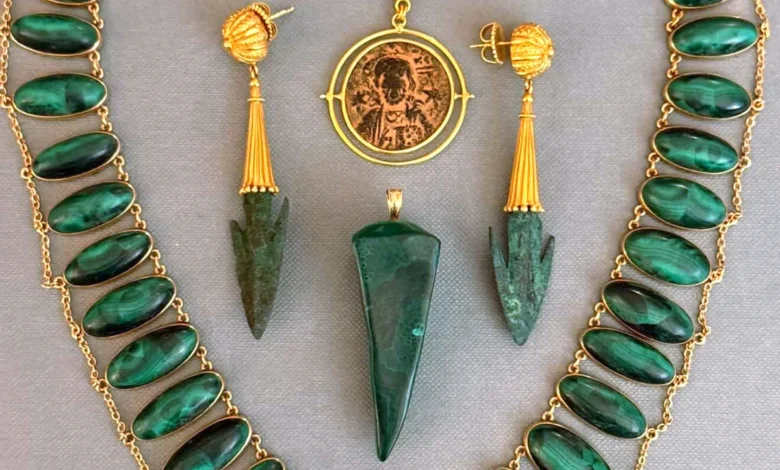
The global antique jewelry market has undergone a significant transformation over the past decade, moving from a niche hobby for estate collectors to a vibrant, digitally-driven economy where historical pieces are reimagined for the modern wearer. At the forefront of this movement is Cyndi, the curator behind the influential brand @TheFabNab, whose thirteen-year journey from a casual collector to a prominent figure in the antique jewelry community illustrates the shifting dynamics of the industry. By blending traditional connoisseurship with a contemporary "edgy" aesthetic, Cyndi has carved out a distinct space that prioritizes the conversion of historical artifacts—such as stick pins and brooches—into wearable, daily talismans. This approach not only preserves the craftsmanship of the Edwardian, Victorian, and Art Deco eras but also democratizes access to precious materials through creative upcycling.
The Foundations of a Modern Antique Collection
The trajectory of Cyndi’s involvement in the jewelry world began approximately 12 to 13 years ago, a period that coincided with the early stages of the digital jewelry boom. Initially drawn to the tactile nature of jewelry making, she experimented with semi-precious beads during a period when artisanal, hand-strung pieces were a dominant trend in the hobbyist market. However, her focus soon shifted toward the intrinsic value and historical weight of precious metals and stones.

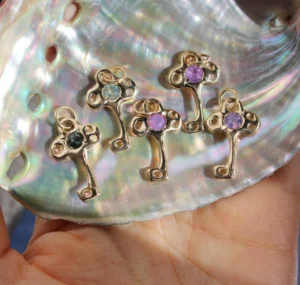
The entry point for many collectors during the early 2010s was the antique stick pin. Historically used to secure cravats or neckties, these small, ornate objects often featured high-quality gemstones and intricate metalwork but had fallen out of fashion in their original form. For a collector operating on a modest budget, these pins represented an affordable gateway into the world of fine antiques. Cyndi’s early strategy involved identifying the potential in these overlooked items, purchasing them at accessible price points, and commissioning their conversion into rings or charms. This practice of "reimagining" jewelry has since become a cornerstone of her brand, leading to the development of the "Lucky Numbers + Talismans" collection. This specific capsule utilizes Edwardian and Art Deco components to create personalized jewelry centered on numerology and destiny numbers, reflecting a broader consumer trend toward "meaningful" luxury.
Chronology of Acquisition and Global Sourcing
The growth of @TheFabNab collection mirrors the evolution of sourcing strategies within the antique trade. In the early years, digital marketplaces like eBay and local brick-and-mortar antique shops served as the primary procurement channels. As the collector’s expertise deepened, the search for rare pieces expanded to international hubs of the jewelry trade.
- The Paris Flea Market (Marché aux Puces de Saint-Ouen): An early influence on Cyndi’s aesthetic, the Paris Flea Market provided exposure to European design sensibilities and the grandeur of French estate jewelry. This location is historically significant as one of the world’s largest concentrations of antique dealers, offering a rigorous education in provenance and craftsmanship.
- Portobello Road, London: A pivotal moment in the chronology of the collection was the discovery of Portobello Road. This market is a global epicenter for silver and antique jewelry. It was here that the importance of the "jewelry community" became evident, as professional relationships with established dealers, such as Ishy of @IshyAntiques, began to shape the collector’s understanding of the trade’s "ropes."
- The Trade Show Circuit: The transition from collector to professional curator is often marked by participation in major industry events. For Cyndi, this included the Hillsborough Show, the Miami Antique Show, and the Las Vegas Antique Jewelry & Watch Show. These events serve as critical networking nodes where dealers exchange inventory and market intelligence.
Stylistic Analysis: Symbols, Stones, and Eras
The aesthetic identity of @TheFabNab is characterized by a preference for bold, symbolic imagery. Unlike traditional collectors who may focus solely on the "Big Three" gemstones (ruby, sapphire, and emerald) in classic settings, Cyndi’s collection emphasizes the "edgy" and the "talismanic."

The Celestial and the Egyptian Revival
A recurring theme in the collection is celestial iconography, including stars, moons, and sunbursts. This interest extends to both contemporary interpretations, such as the H. Stern Genesis line, and authentic antique pieces. The latter often features "Old Mine" cut diamonds set in silver-topped gold—a technique common in the 18th and 19th centuries where silver was used to enhance the whiteness of diamonds before the widespread use of platinum.
Furthermore, the collection draws heavily from the Egyptian Revival movement. This style gained immense popularity in the 19th century and again in the 1920s following the discovery of King Tutankhamun’s tomb. The use of winged scarabs, cobras, and brushed "buttery" gold reflects a fascination with ancient protective symbols. These pieces are often sought after for their "juicy" aesthetic—a term used in the trade to describe rich color saturation and substantial gold weight.
The Victorian Ruby Spike
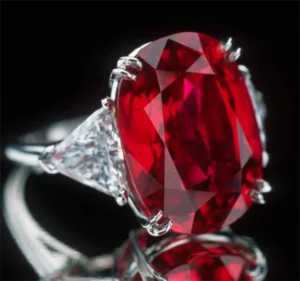
One of the most significant pieces in the current collection is a Victorian-era ruby spike, converted from an antique brooch. In the Victorian language of jewelry, rubies were often associated with passion, protection, and prosperity. Cyndi’s interpretation of the ruby spike as a symbol of "strength, courage, fidelity, and loyalty" aligns with the 19th-century practice of wearing jewelry as a form of non-verbal communication. Due to the extreme rarity of original Victorian spikes, the @TheFabNab brand has moved into recreating this style using Art Deco components, providing a bridge for modern collectors to access "tough" yet historical aesthetics.

Market Data and Industry Implications
The rise of independent curators like Cyndi reflects broader shifts in the global jewelry market. According to industry reports from McKinsey & Company, the "pre-owned" fine jewelry market is expected to grow at a compound annual growth rate (CAGR) of 8% to 12% through 2025. This growth is driven by several factors:
- Sustainability: Reimagining antique pieces is a form of upcycling that appeals to environmentally conscious consumers who wish to avoid the ecological impact of new mining.
- Digital Connectivity: Platforms like Instagram have transformed how jewelry is sold. The ability for a curator to establish a "visual signature" allows them to bypass traditional retail models and sell directly to a global audience.
- Asset Diversification: As inflation fluctuates, many investors are turning to "hard assets," including gold and precious stones with historical provenance, which tend to retain value over time.
The success of @TheFabNab is also a testament to the "selective collective" phenomenon. In a saturated market, curators who possess a recognizable "eye"—specializing in specific niches like medallions, religious iconography, or snakes—are more likely to build a loyal following. This specialization is a strategic response to the commoditization of modern jewelry.
The Role of Community and Professional Networks
A critical component of the antique jewelry industry is the informal network of dealers and collectors. The narrative of @TheFabNab highlights the collaborative nature of this field. Relationships formed at trade shows or through social media are not merely social; they are essential for inventory sourcing and authentication.

Mentorship and mutual support are frequently cited as the "glue" of the industry. References to figures such as Lenore Dailey, a respected name in the antique world, and partnerships with other dealers like Lindsey of @parkavenueantiques and Laurie Geller, illustrate a professional ecosystem built on trust. For Cyndi, the act of a fellow professional—such as the author of the original feature—choosing a piece from her collection (an opal ring in Miami) serves as a form of industry validation.
Broader Impact: Jewelry as a Psychological Anchor
Beyond the commercial and historical aspects, the philosophy of @TheFabNab emphasizes the "talismanic" nature of jewelry. In a journalistic analysis of consumer behavior, this can be viewed as the "emotional utility" of a purchase. The idea that jewelry acts as a "layer of love that protects and shields" the wearer suggests that modern consumers are looking for more than just adornment; they are seeking psychological anchors.
This trend is particularly evident in the "self-gifting" sector. As more individuals achieve financial independence, the tradition of waiting for jewelry to be gifted by a partner has diminished. Instead, jewelry is increasingly purchased to commemorate personal victories or milestones. Cyndi’s advocacy for finding one’s "inner badass goddess" through bold, edgy pieces reflects a cultural shift toward empowerment through personal style.

Conclusion
The story of Cyndi and @TheFabNab is more than a personal collecting journey; it is a microcosm of the modern antique jewelry trade. By identifying the latent value in historical fragments and reimagining them for a contemporary audience, curators are ensuring that the artistry of the past remains relevant. As the market for pre-owned luxury continues to expand, the emphasis on unique, symbolic, and "re-dreamt" pieces will likely remain a dominant force, driven by a community of collectors who value history, craftsmanship, and the personal power of the talisman. Through digital platforms and international trade networks, the "old ceremony" of jewelry is indeed finding "new skins," preserving the legacy of the craft for future generations.