Paris Haute Couture Week Redefines Luxury: Younger Clientele, Experiential Value, and the Art of the Bespoke

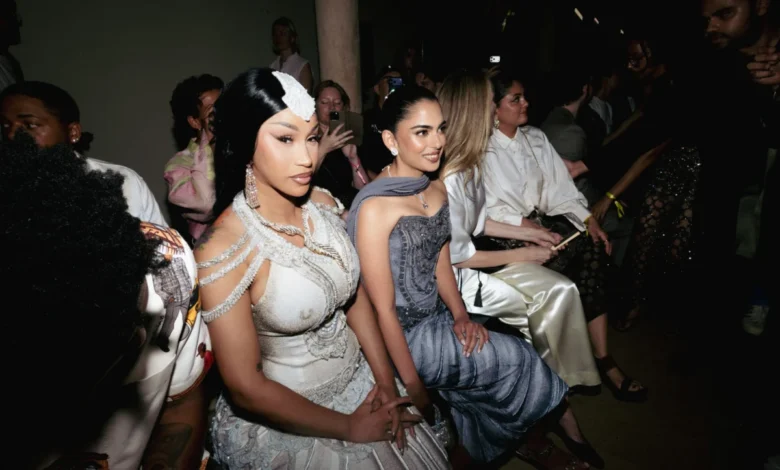
This week’s Paris Haute Couture Week, running from Monday to Thursday, served as a powerful testament to the enduring allure and evolving dynamics of the ultra-luxury market. While the magnificent runway creations are traditionally crafted for a select few, the event’s significance now extends far beyond the exclusivity of a bespoke gown, acting as a crucial barometer for broader shifts within the luxury sector. Industry experts, including luxury sourcer Gab Waller, concierge specialist Isabel Bazzani, acclaimed designer Rahul Mishra, and Bain senior partner Federica Levato, converged on a singular observation: luxury brands are increasingly targeting younger consumers as their next generation of long-term clients. This strategic pivot is underpinned by a market landscape where discernment, experience, and lasting value are paramount, even as mainstream brands like Pandora and Levi’s strategically align themselves with Couture Week’s cultural cachet.
The Evolving Landscape of Personal Luxury
The backdrop to this season’s Haute Couture presentations is a luxury market characterized by increasing consumer selectivity. According to Bain & Company’s latest luxury report, the personal luxury goods market experienced a slight contraction in 2025, reaching $419 billion (or €358 billion), marking a 2% decline in current-currency terms. However, Bain projects a modest recovery for the current year, anticipating a 2-4% growth, with luxury experiences notably continuing to outperform goods. This trend underscores a broader shift in consumer priorities, where the tangible product is increasingly viewed through the lens of the intangible experience it offers.
Haute Couture, by its very definition, embodies the pinnacle of this experiential luxury. A significant step up from even the highest-end ready-to-wear pieces, which can range from $15,000 to $30,000, couture creations from major houses typically start at around $50,000 and can escalate to over $800,000 for the most intricate designs, as previously reported by Vogue. The investment in couture transcends mere acquisition; it signifies entry into an exclusive realm characterized by unparalleled service, bespoke customization, and a deeply personal relationship with a fashion house. Clients gain access to coveted show invitations, private appointments, direct engagement with designers, multiple fittings, and the assurance of absolute exclusivity – often including the guarantee that a specific design will not be sold to another customer in the same region. This scarcity, in an era where even once-elusive luxury items have become more visible, further elevates couture’s perceived value.
Federica Levato, Bain senior partner and co-author of the firm’s luxury report, succinctly captured the prevailing sentiment: “The appetite for luxury remains strong. The tolerance for disappointing experiences or products does not.” This heightened selectivity means consumers, especially at the top tier, are less forgiving of subpar offerings, demanding exceptional craftsmanship, service, and a compelling narrative behind each purchase. For a maison, cultivating a relationship with a couture client offers multi-faceted benefits, extending beyond the immediate commission to potential spending across ready-to-wear, jewelry, handbags, and accessories. Furthermore, these intimate client interactions provide invaluable insights that can inform and inspire future collections, effectively making couture a brand’s most sophisticated research and development laboratory.
A New Generation and Global Reach for Couture
A significant shift observed during this Couture Week is the evolving profile of the couture client. Luxury sourcing expert Gab Waller noted a heightened interest in couture, particularly around Chanel, following Matthieu Blazy’s transformative impact. Blazy’s debut ready-to-wear collection for Chanel in October 2025 was widely lauded, and the house has since credited his designs with attracting new shoppers and supporting a return to growth. Waller remarked, “Ever since Matthieu Blazy came in, it really has been absolutely transformative for my clients’ sourcing requests,” citing a surge in inquiries for Chanel shoes, handbags, and runway pieces.
While Waller typically finds couture clients approach brands directly, bypassing sourcers due to the deeply personal nature of the process, she observed a new trend: inquiries from clients seemingly new to couture. These individuals were not immediately requesting commissions but rather sought information on pricing and access, signaling a widening appeal.
Indian designer Rahul Mishra, presenting his 14th collection in Paris, confirmed this evolution in the client base. While acknowledging that couture will always cater to a specialized clientele, he highlighted steady growth and an expanding geographic reach. Mishra’s clients now hail from diverse regions including the U.S., Europe, the Middle East, China, Korea, and India, with a notable increase in French clients commissioning pieces during his latest Paris re-see.
Crucially, both Waller and Mishra identified a younger demographic investing in the category. Waller noted that some of the youngest attendees at couture shows are now in their early to mid-30s, a departure from the traditional 40-50-year-old customer. This aligns with Bain’s findings that U.S. consumers under 35 are increasing their luxury spending approximately four percentage points faster than older shoppers. Mishra elaborated, “What is changing is the profile of the first-time couture client. Increasingly, we see women choosing couture earlier in life for reasons beyond ceremonial occasions.” This suggests a paradigm shift, where couture is no longer solely reserved for milestone events but is becoming integrated into a younger clientele’s broader lifestyle and investment strategy.
For many of these younger clients, the initial foray into couture may not involve a full gown. Waller observed a strong interest in Chanel’s couture shoes and handbags, including distinctive pieces like beanstalk-inspired footwear and novelty bags. These accessories serve as accessible entry points, allowing ready-to-wear clients to engage with the couture world, perhaps by attending a show, acquiring a collection-tied accessory, and gradually progressing towards private appointments or a complete commission.
The Couture Journey: From Concept to Collectible Art
The path to a couture commission is a meticulous and deeply personal one. As Isabel Bazzani, a concierge specialist, explained, pricing is typically disclosed during a private appointment after the show or re-see. This is where measurements are taken, and potential alterations are discussed. “The final garment often evolves through the many changes to colour, cut, materials, neckline or embellishment,” Bazzani stated, describing a process that can span several months and involve further modifications after the toile fitting before final production commences. This iterative process ensures that each piece is a true collaboration between the client and the atelier, culminating in a garment that is utterly unique and perfectly tailored.
It is important to note that the most avant-garde or theatrical runway looks are not always the ones ultimately purchased. Bazzani pointed out that "The looks that show up all over our feeds aren’t necessarily the ones filling appointments.” Instead, more wearable pieces, such as Ashi Studio’s hourglass bustier and skirt or Jonathan Anderson’s Dior separates, often generate more immediate orders because clients can readily envision themselves wearing them to real-world events like weddings, galas, or private gatherings. This pragmatism, even within the rarefied world of couture, reflects the modern client’s desire for pieces that are both extraordinary and functional.
Clients today are not necessarily spending less, but they are certainly becoming more discerning. Bazzani observed that rather than spreading their budget across multiple houses, many clients are concentrating their investments on fewer pieces that offer exceptional quality, personal resonance, and collectible value. This trend extends to high jewelry and one-of-a-kind creations, which promise lasting artistic and financial value. Rahul Mishra echoed this sentiment, stating that his couture commissions, ranging from $20,000-$50,000 for intricate pieces to over $200,000 for highly exclusive bespoke creations, reflect a new client mindset. “Clients today are investing more thoughtfully, but often more meaningfully,” Mishra said. “Increasingly, couture is being acquired not only as clothing, but as collectible art.”
This perspective aligns with Bain’s broader finding that luxury consumers are increasingly selective and conscious of value, even at the highest echelons of the market. The emphasis on longevity and versatility is also paramount. For Mishra, this has translated into designing some runway looks as separates that can be styled in multiple ways. He articulated, “For today’s woman, the value of couture lies in its ability to be both an heirloom and a living part of her wardrobe.” Beyond the garment itself, the service surrounding it is critical. Mishra’s atelier offers lifetime aftercare and restoration, and he remains personally involved in many client journeys, reinforcing the deep, trust-based relationship. “Long-term loyalty is earned through trust, exceptional craftsmanship and an experience that feels deeply personal from the first sketch to the final fitting,” he emphasized.
Couture as a Strategic Imperative for Maisons
For luxury houses, the benefits of couture extend far beyond direct commissions. As Mishra described, couture serves as the brand’s “research and development laboratory,” where groundbreaking techniques, innovative materials, and avant-garde ideas are pioneered. These advancements subsequently feed into the brand’s ready-to-wear lines, such as Mishra’s AFEW Rahul Mishra, as well as jewelry and accessories collections, elevating the entire brand ecosystem.
In an era where consumers demand deeper meaning, personalized service, and emotional connection from their luxury purchases, haute couture collections and their associated shows are becoming even more potent tools for engaging and retaining high-spending clients. Gab Waller summarized this powerfully: “It truly is the admiration of it all. It shows respect and admiration of the brand.” The spectacle and craftsmanship inherent in couture generate immense brand equity, acting as a powerful halo effect that benefits all other categories within a maison.
This season’s couture calendar was particularly invigorated by a wave of significant debuts, further amplifying its cultural resonance. These included Pierpaolo Piccioli’s highly anticipated first couture collection for Balenciaga, Duran Lantink’s couture debut at Jean Paul Gaultier, and Manish Malhotra’s inaugural appearance on the official Paris schedule. Such fresh perspectives inject new energy and creativity into the historic tradition, drawing global attention and fostering continued relevance.
Beyond the Runway: Mainstream Brands Tap into Couture’s Cultural Cachet
The commercial impact of Couture Week increasingly extends beyond the exclusive houses on its official schedule. The surrounding calendar has evolved into a vital marketing platform for accessible global brands seeking to align themselves with couture’s unparalleled fashion authority and the week’s pervasive buzz. This strategic leveraging of cultural cachet allows mainstream brands to elevate their image and connect with a fashion-forward audience.
Pandora, for instance, chose Couture Week to debut “Pandora Wonders,” an ongoing initiative featuring a series of limited-edition product capsules. The inaugural collection, centered on freshwater cultured baroque pearls and priced affordably from approximately $102 (€89), launched with pieces designed by stylist Harry Lambert. It is being sold in limited quantities through Pandora’s channels and Dover Street Market, complemented by a Café Nuances takeover in Le Marais. Pandora CMO Jennie Farmer articulated the strategy: “We are not ‘showing’ in a traditional way at Couture; we’re instead popping up in a fun and unexpected way.” The project aims to build fashion credibility for the mass-market jeweler while maintaining accessible price points. Pandora Wonders is designed to continue through future “acts,” each focusing on a different material, creating an ongoing narrative of curated fashion collaborations.
Similarly, Levi’s utilized the opportunity to unveil a 10-look project with Christelle Kocher. This collaboration saw the familiar denim silhouettes reimagined through the lens of haute couture, incorporating intricate details like pearls, feathers, elaborate pleating, and other sophisticated couture techniques. These collaborations demonstrate a savvy approach by accessible brands to borrow from the prestige and artistry of haute couture, creating unique, limited-edition products that generate significant media attention and resonate with consumers seeking elevated, fashion-forward pieces. It signals a strategic blurring of lines, where the aspirational glow of couture can be strategically diffused to enhance the perceived value and desirability of more widely available products.
The Future of Haute Couture: Legacy, Innovation, and Enduring Value
Paris Haute Couture Week continues to stand as a beacon of artisanal excellence and creative innovation, but its role is undoubtedly evolving. The shift towards a younger, more global, and highly selective clientele signals a future where couture is not merely about owning an exquisite garment, but about investing in a piece of art, a unique experience, and a long-term relationship with a brand. The emphasis on customization, emotional connection, and lasting value underscores a fundamental re-evaluation of luxury.
As the personal luxury market navigates periods of growth and recalibration, haute couture remains a critical touchstone, showcasing the pinnacle of craftsmanship and serving as a powerful engine for brand innovation and client engagement. Its ability to adapt, attracting new generations while upholding its rich legacy, ensures its enduring relevance in the ever-changing world of high fashion. The admiration for couture, as Gab Waller noted, is profound, reflecting a deep respect for the artistry and heritage that define it, cementing its position as the ultimate expression of luxury.
Further industry updates and executive movements, including recent developments at Tory Burch, continue to shape the broader luxury landscape, reflecting the dynamic nature of the global fashion industry.
Related posts: