Max Mara Elevates Atelier Line, Debuting ‘The Architecture of a Coat’ in Paris During Haute Couture Week

Max Mara made a definitive statement during Paris Haute Couture Week, strategically choosing the French capital for the inaugural presentation of its Atelier collection. This landmark event was not merely a seasonal unveiling but a profound declaration, positioning the Atelier line as the undisputed pinnacle of the esteemed Italian house’s work, a testament to its sartorial philosophy and enduring legacy. Staged within the brand’s newly revamped flagship boutique on the prestigious Avenue Montaigne, the presentation meticulously articulated where the Atelier collection stands within the broader Max Mara universe, emphasizing its unique blend of meticulous craftsmanship and timeless design.
A Strategic Debut on the Global Stage
The decision to present Atelier in Paris, particularly during the rarefied atmosphere of Haute Couture Week, underscores a deliberate strategy by Max Mara to elevate its most exclusive offering. While Max Mara is globally renowned for its ready-to-wear collections, especially its iconic coats, this move signals a deeper commitment to artisanal excellence and an aspiration to be recognized alongside houses traditionally associated with bespoke couture. Laura Lusuardi, Max Mara’s esteemed fashion director, unequivocally articulated this vision, stating, "For us, Atelier is the couture of Max Mara." This bold assertion reframes the perception of the collection, inviting the fashion world to consider its exquisite coats not merely as outerwear but as meticulously crafted pieces deserving of haute couture reverence.
Max Mara, founded in 1951 by Achille Maramotti in Reggio Emilia, Italy, built its empire on the premise of producing high-quality, industrially manufactured women’s clothing, specializing in coats. Maramotti envisioned a future where women could access sophisticated, well-made garments without the prohibitive cost or lengthy wait times associated with traditional couture. Over seven decades, the brand has become synonymous with understated luxury, timeless elegance, and impeccable tailoring, particularly famed for its camel hair and cashmere coats. The Atelier line, a more exclusive and limited-edition offering, represents the zenith of this philosophy, pushing the boundaries of ready-to-wear craftsmanship to an almost bespoke level. Its presentation during Haute Couture Week strategically aligns it with the ultimate standard of garment construction and design, allowing Max Mara to showcase its technical prowess and design integrity to a highly discerning international audience.
The Prestige of Paris Haute Couture Week
Paris Haute Couture Week is a unique fixture in the fashion calendar, distinct from the broader ready-to-wear weeks. Governed by strict rules set by the Chambre Syndicale de la Haute Couture, only a select number of houses are granted the official "haute couture" appellation, requiring them to design made-to-order clothing for private clients, employ a minimum number of artisans in their Parisian ateliers, and present two collections a year. While Max Mara, as a ready-to-wear brand, does not qualify for this official designation, its presence during the week allows it to leverage the event’s prestige and spotlight its artisanal capabilities. Many established luxury brands, including those primarily focused on ready-to-wear, increasingly choose to present their most exclusive or high-craftsmanship collections during this period, recognizing it as a powerful platform to communicate superior quality and design integrity to global buyers, media, and VIP clientele. This strategic placement helps blur the traditional lines between ready-to-wear and couture, acknowledging a growing consumer demand for elevated, artisanal luxury that combines the exclusivity of couture with the accessibility of high-end ready-to-wear. For Max Mara, it was an opportunity to showcase that its "couture" resides not in elaborate embellishment or fantastical silhouettes, but in the precision of cut, the integrity of material, and the architectural purity of its signature garment: the coat.
"The Architecture of a Coat": A Design Philosophy Rooted in Heritage
The central theme of this season’s Atelier collection was "The Architecture of a Coat," a concept deeply rooted in Max Mara’s heritage and Lusuardi’s personal history. The inspiration sprang from the Brutalist, Bauhaus-influenced factory that Max Mara built in Reggio Emilia in 1959. This landmark building, a paragon of functional modernism, served not only as a design reference but also as a powerful symbol of the brand’s foundational ethos. Brutalism, characterized by its massive, monolithic forms and raw concrete surfaces, and Bauhaus, known for its emphasis on functionality, clean lines, and industrial materials, both champion a design philosophy where form follows function. For Lusuardi, whose father was among the brand’s first retailers and who joined the company in the 1960s, the building was more than an abstract inspiration. She spent four decades working within its walls, making the collection a deeply personal reflection of both the brand’s industrial heritage and her own journey within it.
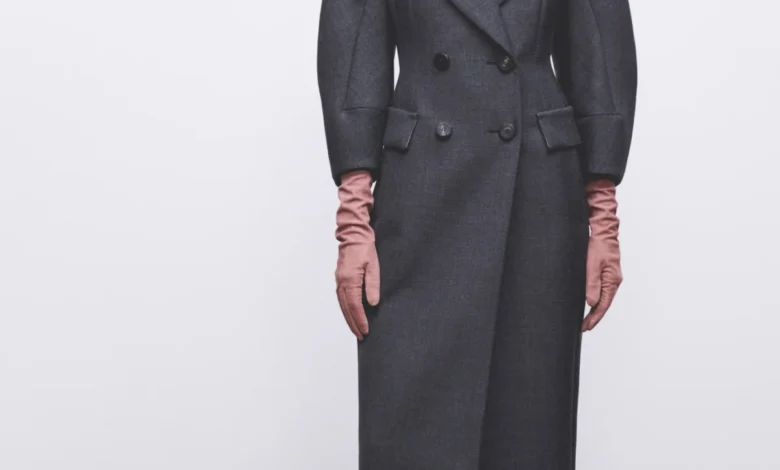
Lusuardi passionately articulated the collection’s guiding principle: "A coat is architecture. It has to be functional, but at the same time beautiful." This philosophy permeated every silhouette in the Atelier collection, manifesting in a rigorous exploration of proportion, construction, and fabric. The designs eschewed superfluous embellishment, instead focusing on the intrinsic beauty derived from masterful tailoring and premium materials. Sharply tailored overcoats and refined redingotes exuded a powerful, structured elegance, while oversized shapes, dramatic cape coats, and gracefully draped kimono-inspired styles showcased the versatility and sculptural potential of the garment. The emphasis on construction techniques, such as precise darting, sophisticated seaming, and balanced weight distribution, ensured that each piece possessed an impeccable drape and silhouette, reflecting the architectural principles of stability, balance, and aesthetic harmony. The choice of fabrics—luxurious wools, cashmeres, and Max Mara’s signature camel hair, all sourced for their exceptional quality and tactile appeal—underscored the brand’s commitment to materials that not only perform functionally but also contribute significantly to the garment’s overall structure and aesthetic.
A Palette Inspired by Concrete and Earth
The collection’s color palette was a direct homage to its architectural inspiration. It commenced with a foundational range of concrete greys, echoing the raw, unadorned surfaces of the Brutalist factory. This choice not only provided a strong, minimalist backdrop but also celebrated the inherent beauty of industrial aesthetics. From this robust, urban foundation, the palette gracefully transitioned into softer, yet equally sophisticated, notes. Rosewood, burgundy, deep navy blue, and rich chocolatey browns emerged, infusing warmth and depth into the collection. Lusuardi emphasized that color, in this context, was less a mere palette and more an "attitude" for the wearer. These nuanced, earthy tones were selected to evoke a sense of quiet confidence, timeless sophistication, and a connection to natural elements, allowing the wearer to express individuality through understated elegance rather than overt flashiness. The progression from stark grey to warmer hues symbolized a journey from foundational structure to refined expression, mirroring the evolution of a design concept from blueprint to finished form.
Unveiling the Atelier Process: A Journey from Sketch to Garment
A highlight of the presentation was the unprecedented glimpse into the Atelier’s design process, offering attendees an intimate understanding of the meticulous journey from concept to creation. The exhibition featured an array of sketches, intricate patterns, delicate toiles (muslins), and fitting samples, charting the precise evolution from the designer’s initial drawing to the finished garment. This transparent display served to demystify the luxury process, underscoring the intellectual rigor and skilled handwork involved in each piece.
Central to this display was a vintage Japanese kimono from the Max Mara archive, prominently showcased as one of the collection’s key references. The kimono, with its inherent structural elegance, fluid lines, and sophisticated simplicity, provided a profound influence on several designs. This inspiration translated tangibly into elements such as an obi-style tie belt on one design, which expertly gathered volume into what appeared as soft, architectural pleats on the reverse. The kimono’s enduring appeal lies in its combination of comfort, grace, and cultural significance, echoing Max Mara’s own dedication to garments that are both beautiful and functional. Lusuardi reiterated the profound thought behind each creation, stating, "Behind every coat there is always a creative idea," emphasizing that even the most seemingly simple design is the culmination of extensive conceptualization and craftsmanship.
Further enriching the narrative of heritage and meticulous creation was the inclusion of a symbolic red basting thread stitched through each Atelier piece. This subtle yet powerful detail paid homage to the sewing school founded by Achille Maramotti’s mother, linking the collection directly to the foundational artisanal skills and the deep-rooted tradition of tailoring that defines the company’s very origins. It served as a visible reminder of the human touch, the legacy of skill transfer, and the enduring commitment to quality that underpins every Max Mara garment.
A Tribute to Pioneering Female Architects
The Atelier collection also served as a profound tribute to a quartet of pioneering female architects: Gae Aulenti, Cini Boeri, Florence Knoll, and Sophie Hicks. These visionary women, celebrated for their groundbreaking contributions to architecture and design, embodied the very principles Max Mara sought to express. Gae Aulenti, an Italian architect and designer, was renowned for her innovative interior designs and museum renovations, characterized by a bold, often industrial aesthetic. Cini Boeri, another Italian luminary, championed functional, adaptable spaces and furniture, emphasizing user experience. Florence Knoll, an American architect and designer, was instrumental in shaping modern corporate interiors through her emphasis on clean lines and integrated design. Sophie Hicks, a contemporary British architect, is known for her minimalist yet impactful designs, including the very Max Mara Paris flagship where the collection was presented.
Their collective work reflects the same delicate balance of structure, function, and elegance that forms the core of Max Mara’s design philosophy. Each of these architects championed designs that were both intellectually rigorous and aesthetically pleasing, creating spaces and objects that endured through their timeless quality and thoughtful construction. Lusuardi noted that, beyond their professional achievements, these women also shared a distinct sartorial preference: a love for a crisp white shirt. This detail, seemingly small, symbolized a shared appreciation for clarity, precision, and an understated, confident aesthetic – qualities that resonate deeply with the Max Mara woman. By honoring these architects, Max Mara underscored the intellectual depth of its collection, aligning its pursuit of sartorial excellence with the broader world of enduring design.
The Avenue Montaigne Flagship: A Fitting Stage
The choice of Max Mara’s newly revamped Avenue Montaigne flagship as the presentation venue was itself an integral part of the narrative. Located in one of the most exclusive and iconic luxury shopping districts in the world, the flagship provided an ideal backdrop for the Atelier collection’s debut. The renovation, overseen by Sophie Hicks herself, ensured that the space embodied a contemporary yet timeless aesthetic, mirroring the collection’s architectural inspirations. The clean lines, sophisticated materials, and thoughtful layout of the boutique created an immersive environment that allowed the coats to be appreciated as individual works of art, rather than mere garments on a rack. The intimate setting, a departure from the grand spectacle of traditional runway shows, fostered a sense of exclusivity and allowed for a closer examination of the intricate details and superior craftsmanship that define the Atelier line. It transformed the shopping experience into a curated exhibition, elevating the brand’s interaction with its clientele and reinforcing its commitment to luxury beyond the runway.
Industry Reception and Broader Implications
The Max Mara Atelier presentation in Paris during Haute Couture Week garnered significant attention from industry analysts and fashion critics alike. The move was largely interpreted as a shrewd strategic decision, further solidifying Max Mara’s position in the highly competitive luxury market. By showcasing its highest tier of craftsmanship on such a prestigious platform, Max Mara effectively elevated the perception of its signature garment from mere outerwear to a bona fide piece of sartorial artistry.
Industry observers noted that this presentation skillfully navigates the evolving landscape of luxury fashion, where consumers increasingly seek authenticity, enduring quality, and a story behind their purchases. Max Mara’s focus on architectural inspiration, its rich heritage, and the meticulous design process resonated strongly with a market weary of fleeting trends. Fashion critics praised the collection for its intellectual rigor and its refreshing emphasis on substance over spectacle. In a week often dominated by fantastical, impractical creations, Max Mara offered a powerful counter-narrative: that true luxury can be found in the perfectly constructed, timeless, and functional garment.
The implications for Max Mara’s brand perception are substantial. This move reinforces its reputation for sophisticated design, unparalleled quality, and an unwavering commitment to the coat as a cornerstone of the modern woman’s wardrobe. It is likely to attract an even more discerning clientele, those who appreciate the subtle nuances of impeccable tailoring and the lasting value of an investment piece. For the broader fashion industry, Max Mara’s bold initiative contributes to the ongoing conversation about the blurring lines between ready-to-wear and couture. It champions the idea of "demi-couture" or artisanal ready-to-wear, where established luxury houses can showcase their highest levels of craftsmanship and design without necessarily adhering to the strict traditional rules of haute couture. This could pave the way for other luxury brands to similarly elevate their premium lines, further enriching the landscape of high fashion by celebrating practicality and enduring elegance alongside avant-garde artistry.
In conclusion, Max Mara’s debut of its Atelier collection in Paris during Haute Couture Week was a masterclass in strategic branding and a powerful reaffirmation of its core identity. By drawing inspiration from its architectural roots, paying homage to pioneering female intellects, and meticulously unveiling its design process, Max Mara successfully made the case that its signature garment, the coat, is not merely outerwear but a true piece of craftsmanship, worthy of the highest echelons of fashion recognition. This event marks a significant chapter in the brand’s history, solidifying its place as a purveyor of timeless, architecturally inspired luxury for the discerning global woman.