The European Union has implemented a significant new regulation, effective July 19th, 2026, prohibiting large companies from destroying unsold clothing, clothing accessories, and footwear. This landmark measure, part of the broader Ecodesign for Sustainable Products Regulation (ESPR), aims to fundamentally shift the textile industry towards a more circular economy by prioritizing the reuse and resale of products over their disposal. Medium-sized enterprises will be brought under the same directive starting in 2030, signaling a long-term commitment to waste reduction and resource conservation within the sector.
A Shift Towards Circularity: The Genesis of the Ban
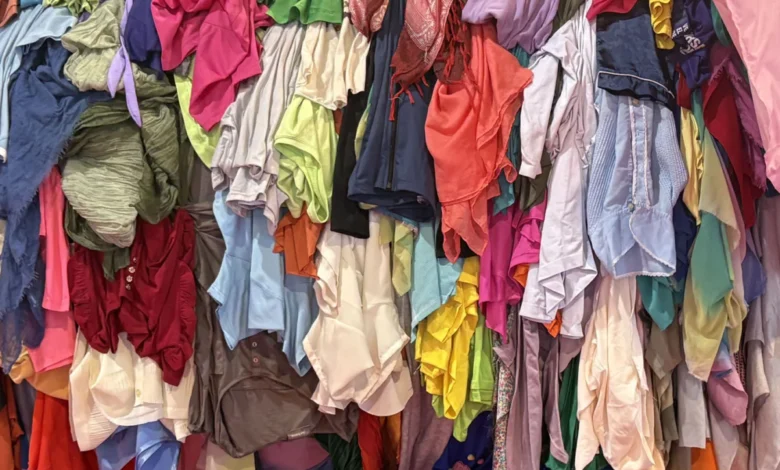
The decision to ban the destruction of unsold textile goods stems from growing concerns about the environmental and economic repercussions of current industry practices. For years, the fashion industry, particularly fast fashion, has been criticized for its linear "take-make-dispose" model. Unsold items, often deemed unsellable due to minor imperfections, outdated trends, or overproduction, have historically been incinerated or sent to landfills. This practice represents a substantial waste of valuable resources, including the raw materials, water, energy, and labor invested in their creation. Furthermore, the disposal of these goods contributes to greenhouse gas emissions, exacerbating climate change.
The ESPR, which officially came into force in 2024, provides the legislative framework for this ban. It is designed to make products more durable, repairable, recyclable, and resource-efficient throughout their lifecycle. The prohibition on destroying unsold textiles is one of the first tangible actions taken under this comprehensive regulation, directly addressing the significant environmental footprint of the textile sector. Textiles were identified as a priority product group due to the stark environmental consequences of existing business models that frequently result in the discarding of perfectly usable items.
Timeline of Implementation and Future Scope
The regulation’s rollout is phased to allow businesses adequate time for adaptation. Large companies, defined by the EU as those meeting specific criteria for employee numbers and turnover, are immediately subject to the ban as of July 19th, 2026. This initial phase targets the entities with the largest market share and potentially the greatest volume of unsold goods.
Looking ahead, the directive extends its reach to medium-sized companies from January 1st, 2030. This staggered approach acknowledges the varying capacities of businesses of different sizes and allows for a more gradual transition across the entire EU market. Small and micro-businesses are currently exempt from these specific reporting and disposal requirements, reflecting a targeted approach to impact larger economic players first.
Prioritizing Reuse: New Obligations for Businesses
Under the new rules, businesses are mandated to explore a hierarchy of options before considering destruction. The primary directive is to keep products in use. This translates into several actionable strategies:

- Selling Products: Companies are encouraged to continue selling unsold items. This can include offering them at discounted prices, through outlet stores, or via alternative sales channels, including online marketplaces specializing in resale or second-hand goods.
- Donation to Charities and Social Enterprises: A significant avenue for preventing waste is the donation of usable unsold items to charitable organizations and social enterprises. This not only diverts products from landfill but also supports social initiatives and provides affordable goods to those in need.
- Preparation for Reuse: Businesses must also focus on preparing products for reuse. This involves activities such as repairing items, refurbishing them to restore their original condition, or remanufacturing them into new products. This approach extends the life of existing goods and conserves resources.
Limited Circumstances for Destruction and Strict Reporting
Destruction of unsold textiles is permitted only under narrowly defined circumstances and must adhere strictly to the waste treatment hierarchy, with recycling being the preferred method if disposal is unavoidable. The permissible reasons for destruction are limited to situations where products are:
- Unsafe or Damaged: Items that pose a health or safety risk or are irrevocably damaged beyond repair may be considered for disposal.
- Counterfeit or Infringing Intellectual Property Rights: Products that are found to be counterfeit or violate intellectual property rights are subject to destruction.
- Rejected by Charities or Donation Schemes: If items are repeatedly rejected by multiple charities or donation programs due to their condition or suitability, businesses may explore other disposal routes.
Crucially, any company seeking to avail itself of these exemptions must provide verifiable proof. This includes documentation such as test results, expert assessments, or certificates to substantiate the reasons for destruction. To ensure transparency and prevent abuse, these businesses are also required to publish annual reports detailing the quantities and types of discarded items. This public accountability mechanism is designed to deter any potential misuse of the exemptions.
Compliance and Enforcement
National authorities across EU member states are tasked with overseeing compliance with these new regulations. They will conduct inspections and investigations to ensure that businesses are adhering to the ban and its associated reporting requirements. For any violations detected, significant fines can be imposed. To facilitate these inspections, companies are obligated to maintain detailed records for a period of five years. This record-keeping ensures that the provenance and disposal methods of unsold goods can be scrutinized.
To streamline administrative burdens, businesses will utilize existing customs and logistics codes when reporting their disposal activities. This integration with existing systems aims to minimize additional paperwork and facilitate smoother reporting processes.
Broader Context and Industry Implications
The ban on destroying unsold textiles is a significant step in the EU’s ambitious Green Deal agenda, which seeks to make Europe the first climate-neutral continent by 2050. The textile industry, a major global polluter, is a key target for these sustainability efforts. The environmental impact of textile production is substantial, with the sector being a significant consumer of water, a contributor to microplastic pollution, and a source of greenhouse gas emissions.
Supporting Data:
- The textile industry is responsible for approximately 10% of global carbon emissions, more than international flights and maritime shipping combined.
- It is the second-largest consumer of water globally.
- Around 85% of all textiles end up in landfills each year, with only about 1% being recycled into new clothing.
- The average European consumes approximately 26 kg of textiles per year, with a significant portion of this ending up as waste.
The implications of this ban are far-reaching. For businesses, it necessitates a fundamental re-evaluation of their supply chain management, inventory control, and sales strategies. Companies will need to invest in more accurate forecasting, explore innovative business models like rental or subscription services, and strengthen partnerships with resale platforms and recycling facilities.

Inferred Reactions and Perspectives:
While direct quotes from specific companies are not provided in the source material, it is reasonable to infer a range of reactions from industry stakeholders. Many sustainable fashion advocates and environmental organizations have welcomed the ban as a long-overdue measure. They highlight its potential to drive innovation in textile recycling technologies and promote more responsible consumption patterns.
Conversely, some businesses, particularly those heavily reliant on rapid production cycles and high sales volumes, may face challenges in adapting to these new mandates. The cost of managing unsold inventory through alternative channels, the investment required for repair and refurbishment operations, and the potential for reduced profit margins on discounted items are all factors that businesses will need to address.
The ban also presents opportunities for new business ventures focused on textile reuse, repair, and recycling. Companies specializing in logistics for returned goods, repair services, and advanced textile sorting and recycling technologies are likely to see increased demand.
Analysis of Implications:
The EU’s ban on destroying unsold textiles is more than just an environmental regulation; it is a strategic economic policy aimed at fostering a more resilient and competitive European economy. By reducing waste and promoting the circular economy, the EU aims to:
- Enhance Resource Security: Decreasing reliance on virgin materials by reusing and recycling existing ones can bolster the EU’s resource security.
- Stimulate Innovation: The demand for sustainable solutions will drive innovation in product design, manufacturing processes, and end-of-life management.
- Create Green Jobs: The growth of the circular economy is expected to generate new employment opportunities in sectors such as repair, refurbishment, and advanced recycling.
- Improve Consumer Perception: Consumers are increasingly demanding sustainable products. Compliance with these regulations can enhance brand reputation and customer loyalty.
The success of this regulation will depend on effective enforcement, continued investment in circular economy infrastructure, and ongoing collaboration between industry, policymakers, and consumers. The comprehensive nature of the ESPR, with this ban being just one of its initial applications, suggests a sustained commitment by the EU to embed sustainability at the core of its industrial policies. The long-term vision is a textile sector that not only provides fashion and function but does so in a way that respects planetary boundaries and contributes to a thriving, circular economy.