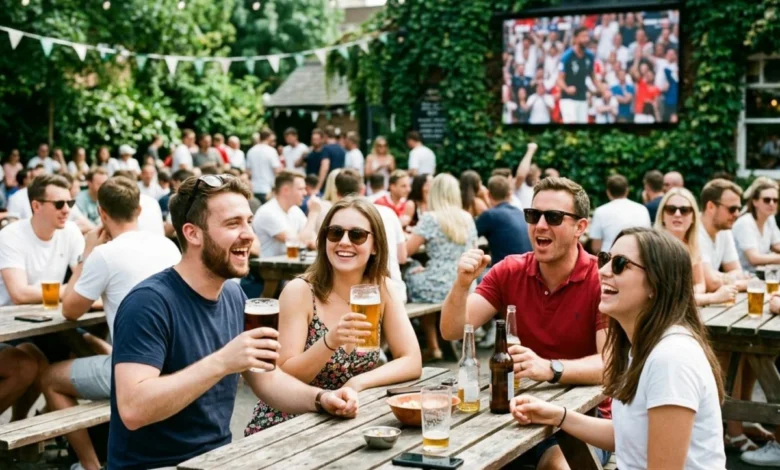
The global apparel industry experienced a notable surge in consumer spending during June, largely propelled by the anticipatory excitement and promotional activities surrounding the FIFA World Cup. This period, typically characterized by increased demand for sporting goods and casual wear, saw a positive impact on retail sales across various markets. However, underlying economic uncertainties and evolving consumer behaviors continue to cast a shadow, suggesting that the full extent of this seasonal uplift may be tempered by lingering caution.
Driving Forces Behind the June Surge
The primary catalyst for the June spending increase was undeniably the FIFA World Cup. As nations rallied behind their teams, consumers actively sought out official merchandise, team apparel, and casual wear that reflected their patriotic spirit. This global sporting event, with its widespread appeal, created a powerful cultural moment that translated directly into retail demand. Beyond specific team affiliations, the general atmosphere of festivity and outdoor activity encouraged purchases of summer clothing, athleisure wear, and accessories.
Retailers strategically leveraged the World Cup with targeted marketing campaigns and special offers. Discounts on football-themed merchandise, bundles of sportswear, and promotions on items suitable for outdoor gatherings became commonplace. These initiatives were designed to capitalize on the heightened consumer interest and encourage impulse purchases. Furthermore, the warmer weather experienced in many key markets during June also played a significant role, naturally boosting sales of seasonal apparel such as t-shirts, shorts, swimwear, and lighter outerwear.
Pre-World Cup Preparations and Early Trends
The lead-up to the World Cup often sees a gradual build-up in consumer engagement. Weeks prior to the tournament, reports indicated a growing interest in football-related apparel, with searches for team jerseys and fan merchandise showing an upward trend. This pre-event buzz likely set the stage for the more pronounced spending seen in June. Early data from market research firms suggested that while overall retail footfall might have been mixed, the average transaction value saw an increase, particularly in categories directly linked to the World Cup and summer activities.
This period also saw a diversification of demand. While traditional sportswear and team kits remained popular, there was also a noticeable rise in the purchase of casual wear and lifestyle apparel that could be worn both during the event and in everyday life. This trend reflects a broader shift in consumer preferences towards versatile and comfortable clothing, a phenomenon that has been gaining momentum in recent years. Brands that successfully integrated World Cup themes into their broader lifestyle offerings were likely to have benefited most from this dual demand.
Supporting Data and Market Insights
While precise, comprehensive global sales figures for June 2023 are still being compiled by various market analysis agencies, preliminary indicators point to a positive, albeit uneven, performance for the apparel sector. For instance, data from retail analytics firms tracking point-of-sale transactions in key markets like the United States and Europe indicated a mid-single-digit percentage increase in apparel sales during June compared to the previous month. This growth was largely attributed to the World Cup’s influence and the seasonal demand for summer clothing.
Specific categories that saw significant uplift included:
- Sportswear and Athleisure: Sales of jerseys, shorts, tracksuits, and athletic footwear experienced a notable spike. Brands with official team sponsorships or strong ties to football saw particularly strong performance.
- Casual and T-shirt Sales: The ubiquitous t-shirt, often emblazoned with national colors or football-related graphics, was a strong performer. The demand for comfortable, everyday wear that aligns with the festive mood of the World Cup was evident.
- Outdoor and Leisure Apparel: As temperatures rose, demand for items like shorts, sundresses, swimwear, and light jackets increased. This segment benefited from both the warmer weather and the general inclination towards outdoor social gatherings facilitated by the World Cup.
However, it is crucial to note that the growth was not uniform across all segments. Luxury apparel and formal wear may have seen more modest gains, as consumer spending often prioritizes discretionary items during events like the World Cup. Furthermore, the impact varied geographically, with countries actively participating in the tournament experiencing a more pronounced spending boost than those with less direct engagement.
Broader Context: Economic Headwinds and Consumer Sentiment
Despite the positive June figures, the apparel industry continues to navigate a complex economic landscape. Inflationary pressures, rising interest rates, and concerns about a potential global recession have led to a more cautious consumer sentiment in many regions. While the World Cup provided a temporary uplift, underlying economic anxieties could temper sustained spending in the latter half of the year.
Consumers are increasingly prioritizing value for money, and brands that offer competitive pricing and perceived quality are likely to fare better. The trend towards conscious consumption also continues to influence purchasing decisions, with a growing number of consumers considering the sustainability and ethical production of their clothing. This duality of demand – driven by immediate celebratory needs and long-term value considerations – presents a significant challenge for apparel retailers.
Industry Reactions and Expert Commentary
Industry leaders and analysts have acknowledged the positive impact of the World Cup on June sales. Sarah Chen, a senior retail analyst at Global Apparel Insights, commented, "The FIFA World Cup is a well-established driver of consumer spending in the apparel sector. We observed a clear correlation between the tournament’s progression and increased sales, particularly in sporting goods and casual wear. However, it’s vital to monitor how this momentum translates into the post-tournament period, given the prevailing economic uncertainties."
Many apparel brands have invested heavily in World Cup-themed collections and marketing campaigns. Speaking anonymously, a marketing executive for a major sportswear brand noted, "This is a peak opportunity for us. The emotional connection consumers have with their teams during the World Cup is immense. Our strategy has been to tap into that passion with authentic and appealing merchandise. The early sales data suggests our efforts have been successful."
However, some experts caution against over-reliance on such singular events. "While the World Cup provides a significant boost, it’s a cyclical phenomenon," stated Dr. Alan Davies, an economist specializing in consumer behavior. "The long-term health of the apparel market depends on addressing fundamental consumer concerns around affordability, sustainability, and evolving lifestyle needs. Brands need to ensure their strategies are resilient beyond these temporary spikes."
Timeline and Chronology of Events
- Early to Mid-2023: Initial build-up of consumer interest in World Cup merchandise and summer apparel. Brands begin launching their themed collections and marketing campaigns.
- June 2023: The FIFA World Cup commences, directly stimulating increased consumer spending on sporting apparel, fan gear, and casual wear. Warmer weather in many regions further boosts sales of seasonal clothing.
- Late June/Early July 2023: Preliminary sales data begins to emerge, indicating a positive trend in apparel sales, largely attributed to the World Cup and seasonal demand.
- Post-Tournament: The industry will closely observe whether the spending momentum continues or if consumer caution resurfaces as the immediate excitement of the World Cup subsides.
Analysis of Implications and Future Outlook
The June spending surge highlights the enduring power of major sporting events to stimulate retail activity. For the apparel industry, the World Cup served as a crucial sales driver, offering a much-needed injection of revenue. This period demonstrates that despite evolving consumer habits and economic pressures, specific cultural moments can still unlock significant purchasing power.
The implications for brands are multifaceted. Those with strong brand recognition, effective marketing strategies, and a product offering that aligns with both event-specific demand and broader lifestyle trends are best positioned for success. The continued importance of athleisure and versatile casual wear suggests that brands should focus on developing collections that offer both style and functionality, transcending purely event-driven purchases.
Looking ahead, the apparel industry faces the challenge of sustaining this positive momentum. The lingering effects of inflation and economic uncertainty necessitate a focus on value, quality, and consumer trust. Brands that can effectively communicate their commitment to sustainability and ethical practices may also find favor with an increasingly conscious consumer base.
The World Cup’s impact, while significant, is a temporary phenomenon. The true test for the apparel sector will be its ability to adapt to long-term shifts in consumer behavior, economic conditions, and the evolving definition of value in a competitive global market. The insights gained from the June spending surge will undoubtedly inform future strategic decisions as the industry navigates these complex dynamics.
In conclusion, June witnessed a welcome uplift in apparel sales, largely fueled by the FIFA World Cup and seasonal weather. This period underscores the potential of major cultural events to drive consumer spending. However, the prevailing economic climate necessitates a strategic approach that balances immediate opportunities with long-term resilience, ensuring that the industry can continue to thrive amidst evolving consumer expectations and global challenges.