The Evolution of the ID Bracelet from Personal Keepsake to Iconic Jewelry Staple

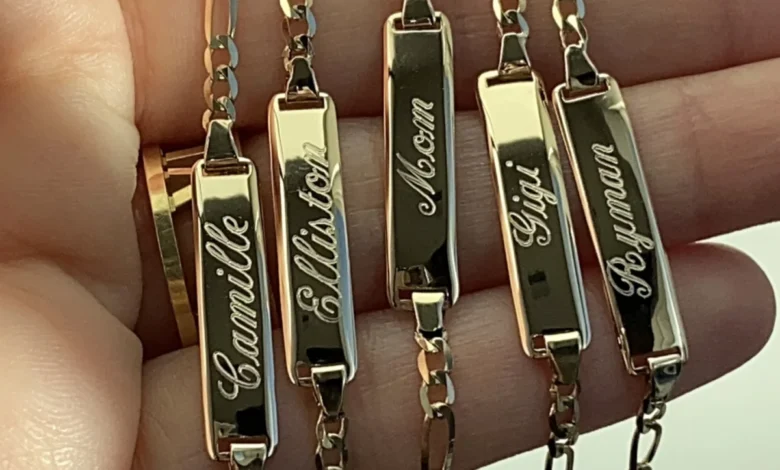
The ID bracelet, a piece of jewelry characterized by a central rectangular plaque attached to a chain, has maintained a consistent presence in the fashion industry for decades. While often associated with military service or childhood milestones, the accessory has recently undergone a sophisticated transformation, repositioning itself as a versatile luxury item. This shift in market demand is exemplified by the recent success of customized ID bracelets within the boutique e-commerce sector, where designers are drawing inspiration from vintage aesthetics and personal heritage to meet the evolving tastes of modern consumers.
Historical Context and Design Origins
The ID bracelet, or "medical identification bracelet," originated in the early 20th century, gaining significant prominence during World War I and World War II. Soldiers were issued metal identification tags, often worn as bracelets, to ensure rapid identification in the event of injury or death. This utilitarian beginning established the bracelet as a symbol of endurance and personal connection.
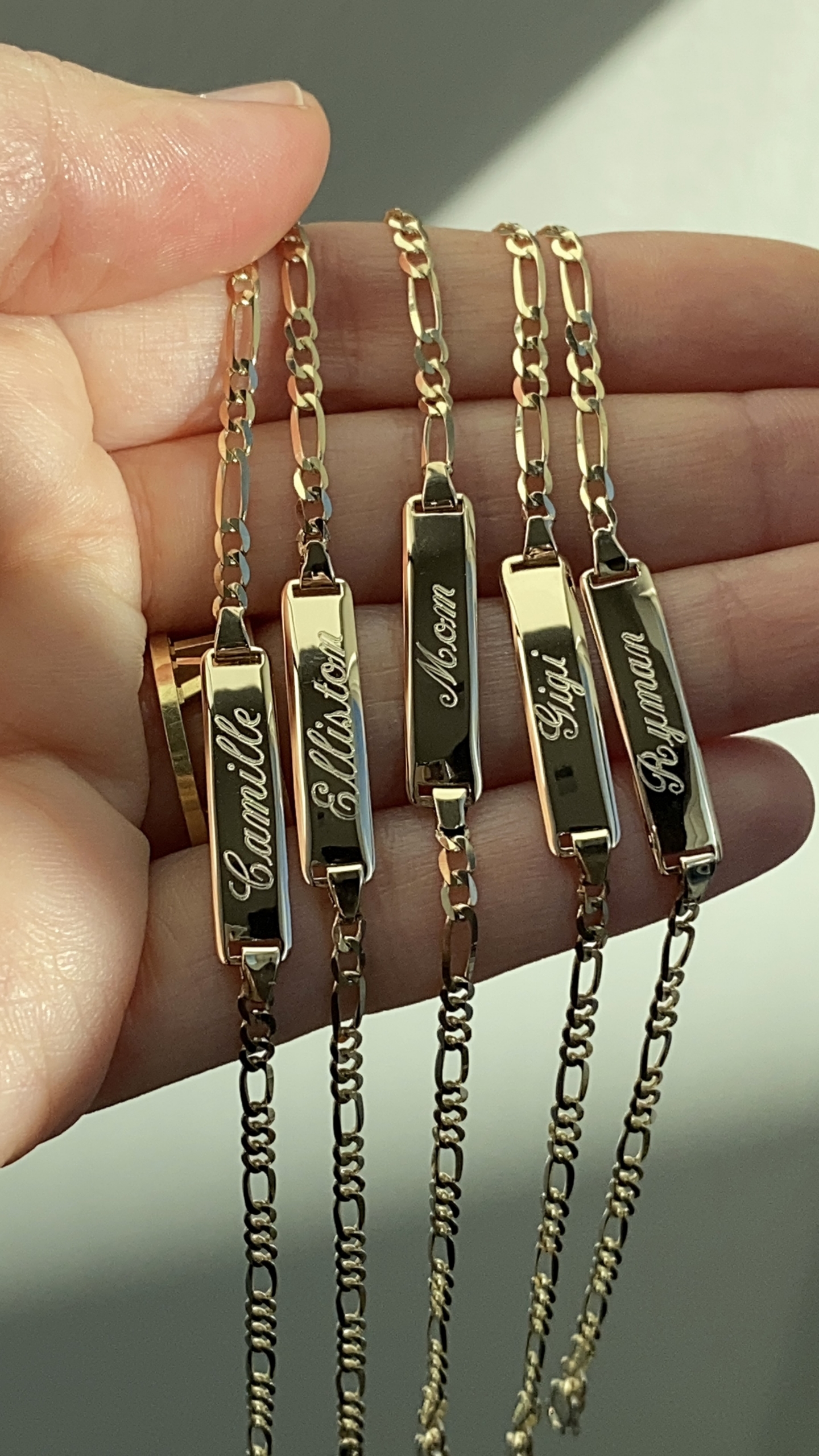
By the mid-20th century, the item transitioned into the civilian market, frequently appearing as a children’s gift or a romantic token exchanged between partners. The design typically utilizes a Figaro, cable, or curb chain, allowing for the engraving of names, dates, or medical information. The aesthetic appeal lies in its simplicity and the tactile nature of the metal plaque, which serves as a canvas for personalization. Modern iterations of the accessory, such as those curated by contemporary jewelry platforms like Gem Gossip, have sought to replicate the durability and classic proportions of these mid-century originals while upgrading the material quality to 14k or 18k gold to appeal to a more discerning demographic.
Chronology of a Jewelry Career and Curatorial Influence
The journey of the ID bracelet as a modern jewelry staple is often traced back to the early professional experiences of industry insiders. For many, the initial exposure to the jewelry trade occurs in entry-level sales positions, where the disparity between corporate sales goals and the artistic appreciation of the product becomes evident. In a typical retail jewelry environment, the focus is often on high-turnover inventory and performance metrics. However, for those who eventually transition into independent curation, the formative years are defined by observing the craftsmanship behind the display cases.
Eighteen years ago, the foundational interest in fine jewelry was often sparked by small, accessible purchases. An individual’s first acquisition—often a children’s-sized ID bracelet—serves as a case study in product longevity. While the original pieces from that era were not always high-end, their ability to withstand years of daily wear created a benchmark for quality. The development of a "patina"—the natural surface oxidation and microscopic scratching that occurs over time—is now recognized as a hallmark of authenticity and emotional value in the secondary jewelry market.
Market Data and Consumer Behavior
The surge in demand for customizable, permanent jewelry reflects a broader trend in the luxury goods market. According to recent retail analytics, consumers are increasingly prioritizing "meaningful consumption," shifting away from mass-produced costume jewelry toward investment pieces that can be worn daily without degradation.
Key indicators of this trend include:
- Increased Customization: Data from e-commerce jewelry platforms suggests that items allowing for personalized engraving see a 40% higher conversion rate compared to non-customizable counterparts.
- Durability Standards: The "wear-it-every-day" metric has become a primary driver for product design. Jewelry that fails to withstand the rigors of daily activity, such as exposure to moisture or mechanical stress at the clasp, is increasingly scrutinized by customers.
- The Rise of Sentimentality: Market surveys indicate that jewelry associated with family milestones—such as the names of children or significant dates—retains higher resale value and emotional longevity.
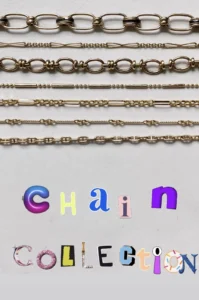
The success of the ID bracelet in this current climate is attributed to its ability to bridge the gap between heirloom-quality craftsmanship and modern minimalist fashion. By utilizing established chain patterns like the mini-Figaro—a design featuring three small circular links followed by one elongated oval link—manufacturers can offer a product that is both structurally sound and aesthetically familiar to long-term jewelry enthusiasts.
Technical Specifications and Material Longevity
For a piece of jewelry to be considered a staple, it must meet specific technical requirements regarding metallurgy and structural integrity. In the case of the modern ID bracelet, the use of solid gold or high-grade alloys is essential for longevity. The transition from mass-market plated jewelry to fine materials represents a significant shift in consumer expectations.
The "clasp failure" issue, common in vintage or low-cost mass-produced jewelry, has been addressed in contemporary manufacturing through the use of reinforced lobster claw clasps and heavier gauge wire for jump rings. These technical adjustments ensure that the bracelet can remain a permanent fixture on the wearer’s wrist. Engineering a bracelet that does not require removal during sleep or exercise requires a balance between the weight of the metal and the flexibility of the chain links.
Broader Implications for the Industry
The resurgence of the ID bracelet signifies a broader movement toward "slow jewelry." As the fashion industry faces criticism for its environmental impact and the prevalence of "fast fashion" accessories, the jewelry sector is finding success in the promotion of durability. The implication for retailers is clear: inventory curation that emphasizes the personal story of the object—its design history, the inspiration behind its proportions, and its ability to age gracefully—resonates more effectively with today’s audience than traditional sales-driven models.

Industry analysts suggest that this trend will continue to influence how fine jewelry is marketed. Rather than focusing solely on gemstone carat weight or retail price, brands are increasingly highlighting the "test of time." When a designer can confirm that an item has been worn daily for several years without structural failure, it builds a level of consumer trust that is difficult to replicate through traditional advertising.
Future Outlook and Ethical Curation
Looking ahead, the market for ID bracelets is expected to remain stable, as it occupies a unique space between utility and sentimentality. Future developments may include the integration of more sustainable sourcing for precious metals and the expansion of engraving technology, allowing for more intricate designs on the plaque surface.
Furthermore, the practice of borrowing design elements from one’s own vintage collection to inform new inventory is likely to become a standard pedagogical tool for emerging jewelry brands. By honoring the design language of the past—specifically the proportions of mid-century children’s jewelry—modern designers are successfully creating a new generation of heirlooms. This approach not only preserves the aesthetic history of the jewelry industry but also provides a tangible connection between the wearer and the evolution of personal style.
In conclusion, the ID bracelet has successfully transcended its utilitarian origins to become a permanent fixture in the modern jewelry box. Whether purchased as a personal indulgence or a significant gift, its value lies in the combination of its historical resonance, its structural durability, and the deeply personal nature of its customization. As the industry continues to evolve, the focus on longevity and storytelling will undoubtedly remain the cornerstone of successful jewelry curation.
Related posts: