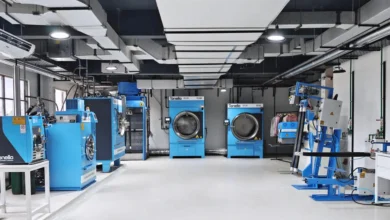
Heimtextil 2027 trends explore the growing tension between technical performance and the demand for more tactile, human interiors.

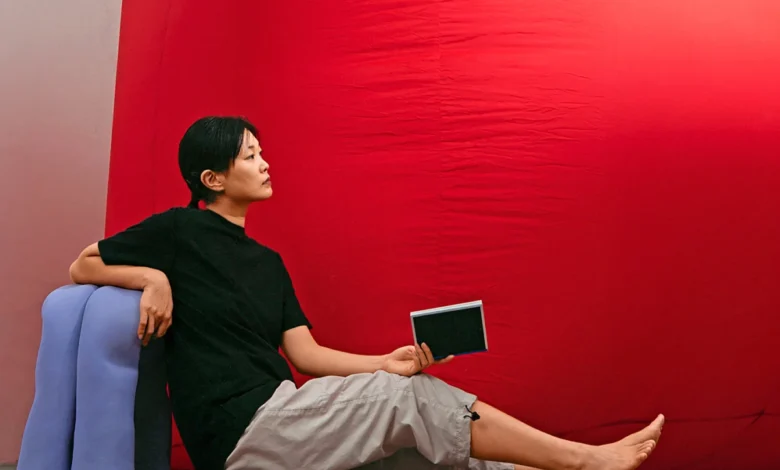
The global home textile industry is currently navigating a period of profound transformation, characterized by the convergence of high-performance engineering and an increasing psychological need for domestic comfort. This shift was center-stage during the recent Heimtextil 2027/28 Trends preview, held in Frankfurt on September 7, 2026. As the world prepares for the flagship Heimtextil exhibition—scheduled to run from January 12 to 15, 2027—the design narrative is being shaped by the Milan-based studio Alcova. Under the guiding theme of "Home-Maxxing: The Performance of Everyday Living," industry experts are signaling a departure from traditional aesthetics toward a future where domestic environments function as highly optimized, data-driven hubs that simultaneously seek to preserve human sensory connection.
A Chronology of the Trend Evolution
The discourse surrounding interior design has moved rapidly over the past decade. In the early 2020s, the pandemic-induced "nesting" trend emphasized soft, protective cocoons. By 2025, the focus shifted toward sustainable circularity and modularity. Now, moving into 2027, the focus has pivoted toward "Home-Maxxing," a concept that mirrors the broader societal obsession with self-optimization. This trajectory suggests that the home is no longer just a place of rest, but an integrated laboratory for personal performance, fitness, and wellness.
The timeline leading up to the 2027 exhibition has been marked by several key industry milestones:

- September 2026: Official unveiling of the Heimtextil Trends 27/28 by Alcova, establishing the foundational research for the upcoming year.
- January 2027 (Upcoming): The formal presentation of the trend installations at the Frankfurt Messe, serving as the industry’s barometer for textile manufacturing, retail buying strategies, and interior design specifications.
- Post-2027 Outlook: Anticipated integration of these findings into mass-market textile production cycles, influencing consumer purchasing habits through 2028 and beyond.
Staged Competence: The Migration of Outdoor Aesthetics
One of the most significant shifts identified by Alcova is the phenomenon of "Staged Competence." This trend traces the migration of technical outdoor gear—once reserved for alpine expeditions or high-intensity athletic training—into the living room. In contemporary interior design, the technical specifications that were once hidden within labels are now moving to the forefront of design language.
This evolution is not merely decorative; it is a communication of utility. Consumers are increasingly viewing their home environments as defensive structures against an unpredictable external world. Consequently, furniture and textiles now feature explicit technical graphics, high-visibility fastenings, and specification-style labeling. Valentina Ciuffi, co-founder of Alcova, notes that this creates an aesthetic where "everything in our bedroom, bathroom, and furniture is somehow designed as if we had to be prepared for a weather catastrophe." This aesthetic choice serves as a visual comfort blanket, assuring the user that their environment is as robust and reliable as professional-grade equipment.
The Rise of Transparent Engineering: Inside, Out
Parallel to the trend of technical performance is the movement toward "Inside, Out." This design philosophy addresses the growing consumer anxiety regarding the "black box" nature of modern technology, particularly as Artificial Intelligence and complex digital systems become deeply embedded in domestic appliances.
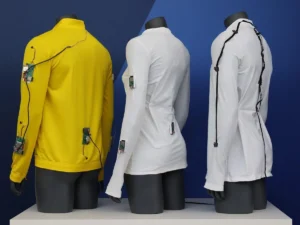
To counteract the feeling of being controlled by invisible forces, designers are opting for radical transparency. This involves exposing the "guts" of interior objects: seams, screws, mechanical zips, and structural support systems are no longer concealed behind aesthetic cladding. From a manufacturing perspective, this shift has profound implications for the circular economy. By making the construction of a textile product visible and accessible, designers are inadvertently creating items that are easier to disassemble, repair, and recycle. This structural honesty is a strategic response to the demand for more durable, long-lasting products in an era of rapid consumption.

Hyper Presence and the Human Counterpoint
While technical performance defines the functional side of the home, the trend of "Hyper Presence" serves as the essential human counterpoint. As digital interfaces become more pervasive, there is a measurable demand for materials that defy digital representation. Touch, smell, and the ability of a material to age—developing a unique patina or natural creases—are becoming high-value characteristics.
This category emphasizes materials that communicate physical reality: heavy wools, raw leathers, and experimental textiles treated with organic substances like beeswax. The intention is to provide a sensory grounding that screens cannot replicate. Joseph Grima, co-founder of Alcova, argues that textiles are the primary mechanism for "humanizing and softening" the increasingly technological drift of the home. This trend does not reject technology; rather, it creates a sanctuary where sensory, physical reality provides a necessary relief from the digital strain of daily life.
Data and Industry Implications
The implications for the textile industry are substantial. Market data suggests that the demand for "performance-textiles" in the home sector has seen a year-on-year growth of approximately 6.5% since 2024. However, this growth is increasingly bifurcated between high-tech performance fabrics (moisture-wicking, antimicrobial, fire-retardant) and artisanal, sensory-rich natural fibers.
The integration of these trends requires manufacturers to rethink their production lines. For instance, the "Inside, Out" approach mandates that assembly processes must be aesthetic as well as functional, requiring higher precision in construction methods that were previously hidden from the end-user. Furthermore, the push toward circularity—integrated into the broader evolution of design rather than treated as a siloed sustainability initiative—means that companies must invest in modular design capabilities.

The industry is effectively moving toward a "material intelligence" model. Producers are now tasked with educating consumers about the lifecycle of their textiles. Whether it is a fabric that releases the scent of propolis when warmed or a couch cover designed to be easily removed for repair, the value proposition is shifting from "perfection" to "evolution."
Strategic Analysis: The Future of Domestic Living
The 2027 Heimtextil outlook indicates a future where the home is neither purely traditional nor purely futuristic. Instead, it is a hybrid space. The integration of performance technology—such as smart-fabrics and weather-resistant interior materials—provides the "infrastructure" of the home, while the focus on tactile, aging materials provides the "soul."
For retailers and manufacturers, the challenge lies in effectively communicating these narratives. The aesthetic of "Staged Competence" allows for a new visual vocabulary in marketing, where technical specifications become part of the brand story. Conversely, the "Hyper Presence" trend requires a shift in retail environments toward experiential spaces where the tactile quality of a textile—its weight, texture, and scent—can be fully appreciated.
Ultimately, the Heimtextil 2027 trends highlight a critical realization: technology in the home is most successful when it is either made completely invisible or is purposefully exposed to show its mechanism. As we move toward 2028, the brands that will lead the market are those that can successfully balance the cold, calculated efficiency of performance gear with the warm, unpredictable, and deeply human experience of natural materials. The upcoming January exhibition in Frankfurt will serve as the primary platform for these innovations, marking a definitive shift in how we conceive of our private, domestic spaces in a high-tech era.