IKEA Resale Strategy Signals a Shift in Retail Logistics for the Second-Hand Furniture Market


IKEA’s strategic entry into the UK second-hand marketplace has ignited a broader industry conversation regarding the role of circular economy models in modern retail. By enabling IKEA Family members to buy and sell pre-owned furniture directly, the Swedish home furnishing giant is attempting to capture value within its existing ecosystem. However, as Nishith Rastogi, Founder and CEO of logistics technology firm Locus, notes, the success of such platforms depends less on the digital interface and more on the complex operational realities of moving bulky goods between private residences.
The move marks a significant departure from traditional retail models, where the transaction concludes at the point of delivery. In the peer-to-peer (P2P) resale space, the logistics chain is inherently fragmented, involving multiple parties and highly variable conditions. As furniture retailers look to replicate this model to meet rising consumer demand for sustainable, budget-friendly options, the primary obstacle remains the "last-mile" challenge of the furniture sector: collection and transport.
The Evolution of the Circular Furniture Economy
The growth of the resale market is no longer a niche phenomenon. According to reports from platforms such as ThredUp and various retail analysts, the global secondhand market is projected to grow three times faster than the broader retail sector. For furniture, however, the barrier to entry is significantly higher than for apparel.
Historically, furniture resale was relegated to classified advertisement platforms or local physical markets where the buyer assumed the burden of transport. IKEA’s initiative represents a systemic attempt to professionalize this process. By integrating logistics support directly into the marketplace, retailers aim to mitigate the "friction" that often discourages consumers from participating in the circular economy.
The chronology of this shift can be traced back to the growing corporate commitment to sustainability targets. Following the 2015 Paris Agreement, many multinational retailers, including IKEA, committed to becoming "climate positive" by 2030. Developing a robust resale channel is a direct component of these environmental goals, as extending the product lifecycle reduces the demand for new resource extraction and manufacturing.
The Hidden Logistics Hurdle
The operational complexity of P2P furniture resale lies in the unpredictability of the starting point. Unlike a standard retail shipment originating from a centralized warehouse—where dimensions, weights, and packaging are standardized—a private seller’s home presents an array of unknowns.
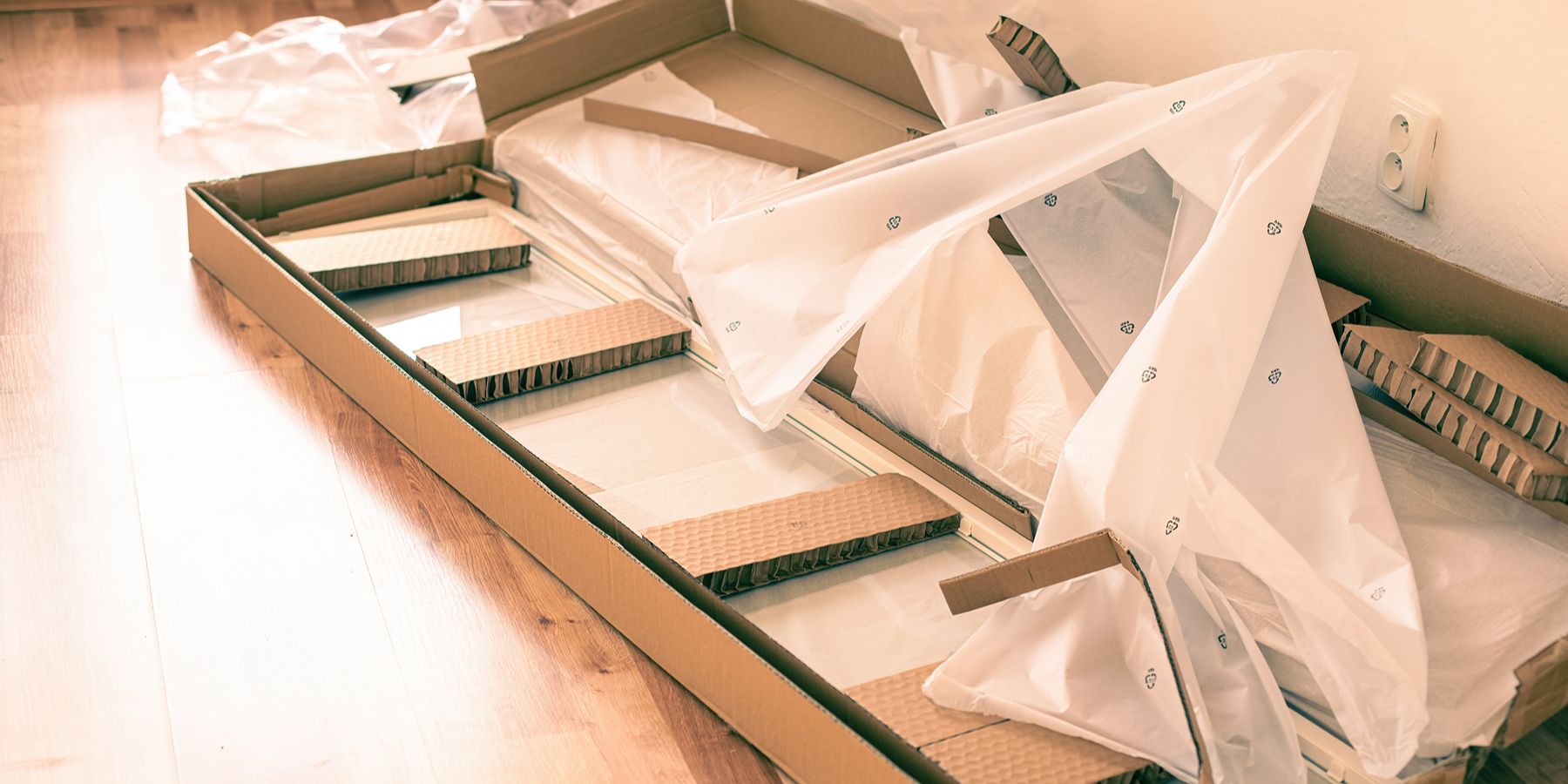
A piece of furniture that was originally sold as a flat-packed kit is often assembled in a way that makes it impossible to move through a standard doorway or down a narrow staircase. Furthermore, the absence of professional packaging means that items are susceptible to damage during transit, increasing the risk of returns or insurance claims.
Industry data suggests that the "failed collection" rate in P2P logistics is significantly higher than in traditional retail. When a carrier arrives at a residence only to find an item is too large for the vehicle or cannot be safely removed from the home, the cost of that failed trip is often absorbed by the platform, eroding the profitability of the transaction. For a marketplace to remain viable, logistics must be treated as a core design principle rather than an auxiliary service added post-sale.
Integrating Logistics into the Marketplace Architecture
For retailers, the solution lies in a high-fidelity data strategy. By requiring sellers to provide granular details—such as assembled dimensions, the presence of elevators, or building access restrictions—at the point of listing, the marketplace can better predict transport requirements.
This level of detail enables more sophisticated route planning. By combining multiple collection and delivery jobs into a single, optimized journey, carriers can significantly reduce the cost-per-unit. This "route density" is the primary driver of profitability in the logistics sector. If a platform can synchronize the availability of a seller with the schedule of a buyer, it can offer tiered pricing based on the efficiency of the delivery route.
For example, a customer willing to wait for a delivery window that aligns with an existing regional route could pay a lower fee than one demanding an expedited, dedicated collection. This turns logistics from a fixed cost into a flexible, value-added service that appeals to both budget-conscious buyers and environmentally aware consumers.
Leveraging AI and Real-Time Visibility
The role of Artificial Intelligence in this transition cannot be overstated. Modern transport management systems (TMS) are increasingly capable of processing historical data—such as average loading times at specific types of properties or common traffic bottlenecks—to provide accurate, dynamic scheduling.
When a disruption occurs, such as a traffic delay or an unexpected handling issue, real-time visibility tools allow the system to recalculate schedules automatically. This prevents the "domino effect" where one delay cascades into a series of missed appointments. By keeping all stakeholders—the carrier, the buyer, and the seller—informed via automated notifications, the platform maintains transparency, which is critical for customer retention.
In terms of administrative burden, automation is the only viable path to scale. As the volume of transactions grows, human intervention in scheduling becomes a bottleneck. Automated systems allow staff to focus exclusively on "exception management"—the rare cases where something goes wrong—rather than the mundane task of coordinating standard pickups.
Measuring the Economic Impact
For retailers assessing the viability of their resale strategies, standard retail metrics are insufficient. Success must be measured against the specific economic realities of the circular market. Key performance indicators (KPIs) now include:
- Cost per Completed Order: Total logistics expenditure divided by the number of successful deliveries.
- Route Density: The number of pickups and drops successfully executed within a single vehicle cycle.
- Failed-Collection Rate: The percentage of scheduled collections that do not result in a transfer of goods.
- Customer Lifetime Value (CLV) Contribution: The extent to which participation in the resale platform increases the customer’s overall engagement with the brand.
These metrics allow retailers to identify which product categories are economically viable for resale. For instance, small, high-value modular furniture might be highly profitable to move, while large, fragile items might incur logistics costs that exceed their resale value. By refining these models, retailers can decide where to offer subsidized shipping and where to encourage local, buyer-led collection.
Broader Implications for the Retail Sector
The shift toward integrated resale logistics signals a maturation of the retail industry. As IKEA and other major players invest in these systems, they are essentially building the infrastructure for a new, permanent secondary market.
Industry analysts suggest that this trend will force a change in how products are designed. If a retailer knows that a product will eventually enter a resale cycle, they may prioritize modularity and "disassembly-friendly" construction in the initial design phase. This "design for circularity" could become a standard requirement, further entrenching the relationship between the manufacturer, the product, and the customer.
Furthermore, the data collected from the resale market provides retailers with invaluable insights into product longevity. Understanding how a product holds up after five or ten years of use—and why it eventually ends up on a marketplace—can inform future product development and quality control improvements.
Conclusion
IKEA’s decision to launch a second-hand marketplace is a bellwether for the retail industry. It acknowledges that the future of consumption is not just about selling new items, but about managing the total lifecycle of the products in the market.
However, the transition from a traditional retail model to a circular one is inherently complex. The logistics of moving bulky, used goods requires a degree of precision, data-driven planning, and technological integration that many retailers are only beginning to develop. For those who can master these operational challenges, the reward is a deeper, more enduring connection with their customer base and a more sustainable, resilient business model. Ultimately, the success of the resale revolution will be decided in the logistics chain, where the hidden costs of movement must be transformed into the visible value of a seamless, circular experience.