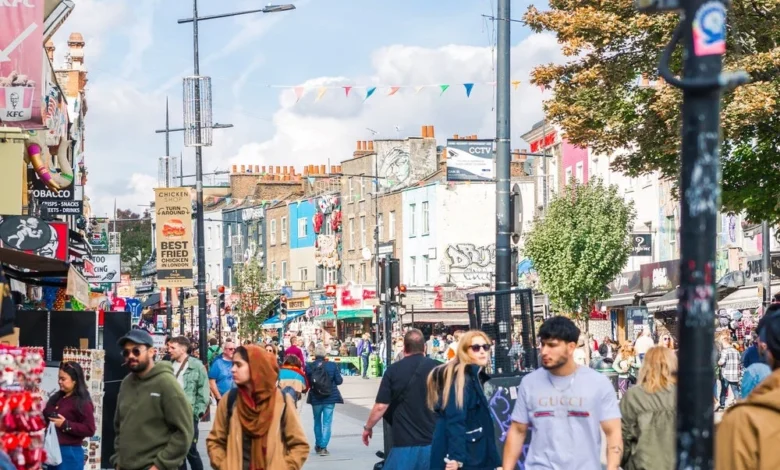
Clothing and apparel retailers played a pivotal role in driving a welcome rebound in total UK retail sales during the month of August, helping the sector recover from a notable contraction experienced in July. According to official figures released by the Office for National Statistics (ONS) and corroborated by retail trade associations, consumer spending on fashion, footwear, and seasonal garments experienced a robust uplift as shoppers updated their wardrobes for late summer and prepared for the upcoming autumn transition. This retail buoyancy offered a much-needed boost to high streets, shopping centers, and e-commerce platforms across the United Kingdom, offsetting broader economic anxieties and cost-of-living pressures that have continuously influenced consumer behavior over recent quarters.
The broader macroeconomic environment leading up to the August retail rebound had been characterized by persistent volatility. Throughout the first half of the year, UK consumers faced compounding financial strains, including elevated interest rates set by the Bank of England, persistent core inflation, and stubbornly high utility and housing costs. These factors squeezed disposable incomes, forcing households to prioritize essential spending over discretionary categories like apparel. However, as inflation showed signs of stabilization during the late summer months and wage growth modestly outpaced price increases for certain sectors of the workforce, consumer confidence experienced a stabilization. This marginal improvement in sentiment directly translated into increased footfall and online transaction volumes within the retail fashion sector, proving that consumer appetite for clothing remains resilient when external pressures momentarily ease.
Chronology of the Summer Retail Shift
To understand the trajectory of the UK retail sector during the summer months, industry analysts examine the stark contrast between the performance recorded in July and the subsequent recovery observed in August. July proved to be a challenging period for fashion retailers and general merchandisers alike. Unfavorable weather conditions, characterized by unseasonal rainfall and lower-than-average temperatures across large parts of the country, severely hampered summer apparel sales. Consumers delayed purchasing warm-weather clothing, swimwear, and holiday wardrobes, leading to an over-accumulation of seasonal inventory. Furthermore, July was marked by major sporting events and widespread travel disruptions, which diverted consumer spending away from traditional retail outlets and toward leisure, hospitality, and entertainment. Consequently, the ONS reported a significant month-on-month decline in overall retail sales volumes for July, with the fashion and textile sector bearing a disproportionate share of the downturn.
As the calendar turned to August, the operational landscape shifted favorably. Weather patterns improved significantly, with extended periods of sunshine and warm temperatures encouraging consumers to engage in outdoor activities, social gatherings, and late-summer holidays. This meteorological turnaround triggered a surge in demand for seasonal clearance items alongside early previews of autumn collections. Retailers capitalized on this momentum by deploying targeted marketing campaigns, loyalty-program promotions, and strategic end-of-season sales that cleared out lingering summer stock. Online fashion platforms also reported strong traffic and conversion rates, indicating a synchronized recovery across both physical and digital retail channels. By the final week of August, preliminary data indicated that the losses sustained in July had been successfully neutralized, culminating in a net positive month-on-month growth figure for the retail sector as a whole.
Supporting Data and Market Metrics
Quantitative metrics provided by retail analysts and financial institutions underscore the magnitude of the August recovery. While overall retail sales volumes increased by a healthy margin month-on-month—reversing the revised decline of approximately 1.2% recorded in July—the non-store retailing and clothing sub-sectors were the primary growth catalysts. Specialized clothing and footwear stores reported volume increases that significantly outperformed the wider retail index, driven heavily by strong demand in women’s wear and children’s apparel.
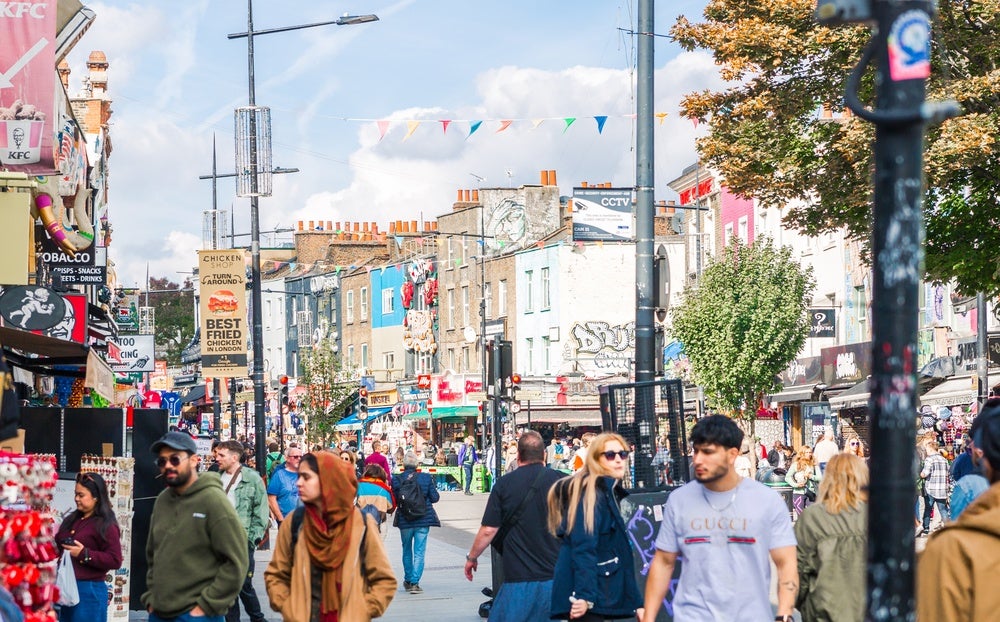
Average transaction values (ATVs) within major fashion chains also saw a modest rise, suggesting that shoppers were willing to purchase higher-value items rather than strictly relying on deep-discounted clearance stock. However, footfall data compiled by retail intelligence groups revealed a nuanced picture: while physical high streets experienced moderate weekend traffic boosts, flagship urban shopping destinations and retail parks captured a higher concentration of actual spending. E-commerce penetration remained elevated, holding steady at approximately 26% of total retail sales, highlighting the permanent structural shift in how UK consumers research and purchase clothing. Despite the positive monthly figures, year-on-year comparisons remained cautious, reflecting the cumulative impact of inflation on retail valuations over the past twelve months.
Industry Responses and Stakeholder Reactions
Trade bodies, retail executives, and economic commentators have offered varied perspectives on the August sales figures, balancing short-term relief with long-term strategic caution. Representatives from the British Retail Consortium (BRC) noted that while the rebound in clothing sales is an encouraging indicator of consumer resilience, retailers continue to operate in a high-cost environment. Operating expenses—including business rates, commercial rent adjustments, logistics expenditures, and the ongoing implementation of statutory wage increases—continue to compress profit margins across the apparel supply chain.
Chief executive officers of major UK high street fashion brands emphasized the importance of supply chain agility in navigating these fluctuating consumer trends. Speaking on condition of anonymity regarding immediate financial results, several retail executives highlighted that inventory management remains their foremost priority. The steep drop in July sales followed by the sudden surge in August forced supply chain managers to dynamically adjust replenishment schedules and work closely with overseas manufacturing partners in key sourcing hubs such as Bangladesh, Turkey, and China. Brands that successfully utilized fast-fashion supply chain models and localized distribution networks were best positioned to capture the unexpected August demand without incurring excessive markdowns or out-of-stock penalties.
Furthermore, labor representatives and retail unions focused on the human element of the retail sector’s volatility. The sudden shift from a sluggish July to a high-demand August necessitated flexible scheduling and increased reliance on temporary staffing within retail distribution centers and storefronts. While this created short-term employment opportunities, labor advocates reiterated calls for predictable shift patterns and fair compensation to support retail workers weathering the same cost-of-living challenges as the shoppers they serve.
Broader Economic Implications and Outlook
The resurgence in clothing sales and its broader impact on UK retail figures carry significant implications for the wider economy, monetary policy committees, and future retail investment strategies. Because retail spending serves as a primary barometer of consumer confidence and domestic economic health, the August recovery provides reassuring data to policymakers at the Bank of England who are deliberating the timing and trajectory of future interest rate adjustments. Consistent consumer spending, bolstered by pockets of strength in discretionary categories like fashion, suggests that the economy is absorbing tighter monetary conditions without tipping into a prolonged structural recession.
Looking ahead toward the critical Golden Quarter—encompassing Black Friday, Cyber Monday, and the peak Christmas trading season—retailers are expected to adopt a cautious yet proactive stance. The lessons learned from the volatile summer months of July and August have reinforced the need for diversified inventory planning, robust omnichannel integration, and transparent pricing strategies. Consumers remain highly price-sensitive, frequently comparing values across digital platforms and favoring brands that offer sustainable, durable, and ethically sourced apparel.
Ultimately, while the August retail sales lift provides a welcome cushion for the UK apparel sector, long-term stability will depend on sustained wage growth, controlled inflation, and a stable geopolitical and economic backdrop heading into the final quarter of the year. Retailers that can successfully balance competitive pricing with elevated customer experiences across physical and digital touchpoints will be best equipped to sustain this momentum and navigate whatever economic headwinds emerge next.