Neighborhood Intelligence, the corporate entity formerly known as Bed Bath & Beyond Inc., is significantly pivoting its strategic roadmap by restructuring its previously announced agreement with real estate platform Fathom Holdings. Rather than proceeding with the initial all-stock acquisition framework established earlier this year, the company is now orchestrating a revised transaction designed to harness substantially all of its high-value digital asset portfolio. This strategic recalibration places a minimum valuation of $130 million on the contributed digital holdings, reflecting a broader corporate metamorphosis that distances the firm from its traditional retail roots and propels it deeper into real estate technology, tokenization, and digital infrastructure.
The newly proposed deal introduces a sophisticated ownership structure wherein Neighborhood Intelligence will contribute an approximate 40% direct and indirect ownership interest in tZero Group, alongside Medici-related fund assets and a direct investment in GrainChain. In exchange, Fathom Holdings will issue new shares to Neighborhood Intelligence. While the final share count remains subject to the finalization of definitive transaction terms, the structure is projected to grant Neighborhood Intelligence a controlling interest in Fathom. This evolution underscores a calculated shift in how executive leadership intends to extract value from non-retail portfolios while simultaneously navigating shifting market capitalizations and macroeconomic pressures.
The Evolution of the Fathom Holdings Agreement
The genesis of the partnership between Neighborhood Intelligence and Fathom Holdings dates back to June, when an initial all-stock merger agreement was publicly unveiled. At that juncture, the transaction was valued at approximately $53 million, and executives anticipated closing the deal during the second half of the year. However, market dynamics shifted considerably in the intervening months. Fathom Holdings experienced a contraction in its share price, trading lower than its valuation when the merger was first introduced to the public markets.
Rather than allowing market fluctuations to derail the strategic partnership, executive leadership chose to rewrite the playbook. Marcus Lemonis, serving as the Executive Chairman and CEO of Neighborhood Intelligence, addressed the valuation discrepancy directly. He noted that the inherent value of the revised deal does not rely solely on Fathom’s current market capitalization. Instead, Lemonis emphasized that Fathom’s underlying brokerage and title operating businesses have demonstrated meaningful operational progress over the preceding three months.
The reworked transaction structure is meticulously engineered to acknowledge both the operational strides made by Fathom’s core real estate businesses and the robust intrinsic value residing within Neighborhood Intelligence’s digital asset portfolio. Furthermore, the updated framework explicitly grants Fathom the latitude to pursue targeted, strategic acquisitions that will strengthen its operational foundation moving forward.
Unlocking Real Estate Through Digital Infrastructure and Tokenization
At the core of the restructured agreement lies a shared vision regarding the intersection of real estate and blockchain-adjacent digital infrastructure. Both companies have articulated a belief that the real estate sector represents a natural, high-potential application for tZERO’s advanced digital securities infrastructure.
By integrating tZERO’s technology, the combined entity aims to pioneer innovative financial mechanisms within the property market. These ambitions include the potential tokenization of commercial real estate portfolios and single-family rental properties, which could introduce unprecedented liquidity to traditionally illiquid asset classes. Additionally, the integration is expected to facilitate more flexible capital structures and establish novel pathways to capital acquisition for real estate investors and operators alike.
As the partnership matures over time, the corporate roadmap also encompasses exploring technological applications within title services and individual homeownership frameworks. By marrying Fathom’s established footprint in brokerage and title operations with tZERO’s digital asset capabilities, the companies aim to position themselves at the vanguard of proptech innovation.
A Turbulent Timeline of Strategic Pivots and Canceled Deals
The restructuring of the Fathom Holdings agreement does not occur in a vacuum; rather, it represents the latest chapter in a turbulent and aggressive period of corporate transformation. Over the past year, Neighborhood Intelligence has systematically sought to redefine its corporate identity, transitioning away from the legacy home-goods retail identity of Bed Bath & Beyond and expanding aggressively into adjacent sectors, including home services, homeownership, and real estate.

This aggressive diversification strategy has yielded a complex timeline of major corporate maneuvers:
- June: Neighborhood Intelligence announces an initial all-stock agreement to acquire real estate platform Fathom Holdings for approximately $53 million, targeting a second-half closing.
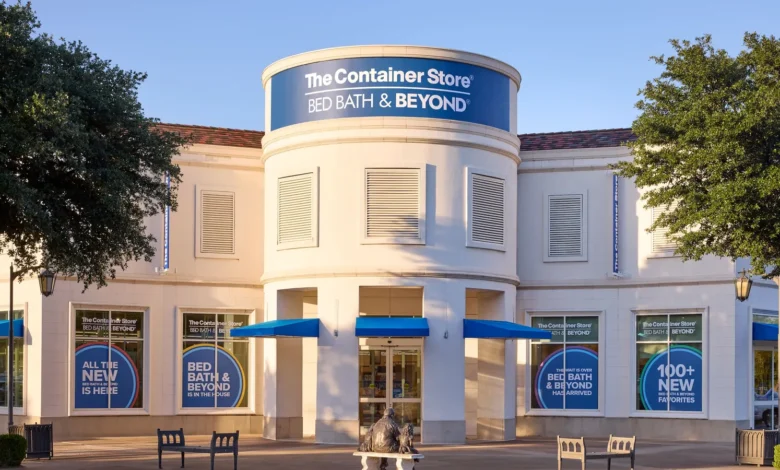
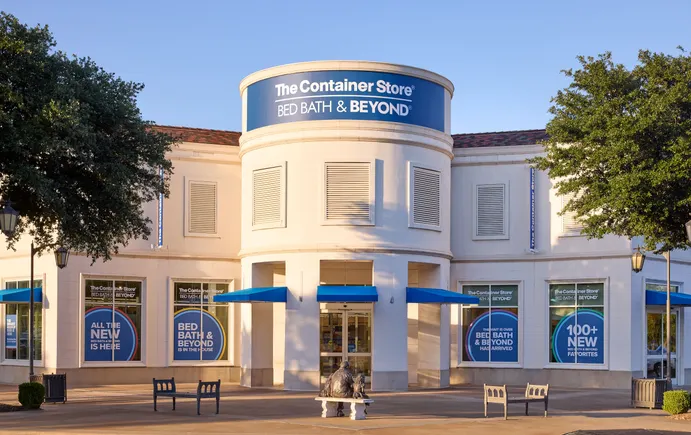
- Late Summer: The company actively pursues non-retail expansion through various acquisitions and partnerships, including strategic alignments with The Container Store—marked by the opening of co-branded concept stores, such as a prominent location in Fort Worth, Texas—and investments in The Brand House Collective, formerly known as Kirkland’s Inc.
- September: Neighborhood Intelligence cancels a major $150 million acquisition deal targeting F9 Brands, the parent company of Cabinets to Go and Lumber Liquidators. Leadership cites F9’s inability to satisfy all closing requirements within the established contractual timeframe.
- Late September: The company formally pivots on its real estate strategy by shelving the original Fathom merger in favor of the newly proposed restructured agreement, leveraging $130 million in digital assets and targeting a controlling interest in Fathom Holdings.
The cancellation of the F9 Brands transaction served as a notable inflection point for the company. While the $150 million deal was intended to anchor Neighborhood Intelligence firmly within the home improvement and cabinetry supply chain, its collapse exposed the execution risks inherent in rapid, multi-front corporate consolidation. Consequently, redirecting corporate focus toward digital asset leverage and established real estate brokerage operations via Fathom offers a more streamlined mechanism for value creation.
Leadership Perspective and Market Implications
The strategic decisions executed by Marcus Lemonis and his executive team reflect a pragmatic approach to corporate turnaround and asset allocation. By pivoting away from troubled retail supply chain acquisitions and toward high-margin digital infrastructure, Neighborhood Intelligence is attempting to construct a modern conglomerate capable of weathering retail volatility.
Financial analysts monitoring the situation point out that valuing digital assets such as tZero Group, Medici-related funds, and GrainChain at $130 million provides Neighborhood Intelligence with significant balance sheet flexibility. GrainChain, known for agricultural data and blockchain-based supply chain settlement solutions, combined with tZero’s regulated digital securities platform, gives the enterprise exposure to sectors experiencing secular technological adoption.
However, challenges remain. Representatives for both Neighborhood Intelligence and Fathom Holdings have maintained silence regarding precise timelines for the final closure of the newly proposed transaction, and neither entity has immediately responded to requests for supplemental commentary regarding regulatory hurdles or shareholder vote requirements. Successfully integrating a controlling stake in a publicly traded real estate brokerage while simultaneously managing a diverse portfolio of digital assets will require rigorous operational oversight.

Broader Industry Impact and Future Outlook
The restructuring of the Fathom Holdings deal highlights a broader trend across the retail and technology sectors: legacy retail entities attempting corporate turnarounds are increasingly looking beyond traditional brick-and-mortar retail paradigms. Rather than relying solely on store-level productivity, companies are experimenting with financial engineering, proptech integration, and digital asset monetization to unlock shareholder value.
As the definitive terms of the Fathom and Neighborhood Intelligence transaction are finalized in the coming weeks, market observers will be watching closely to see how the finalized share counts shake out and whether the projected controlling interest materializes as planned. If successful, the venture could establish a new blueprint for how distressed retail giants can successfully metamorphosis into technology-enabled holding companies, bridging the gap between digital securities and tangible real estate assets.