John Lewis Partnership leverages first-party data strategy to redefine the future of retail media

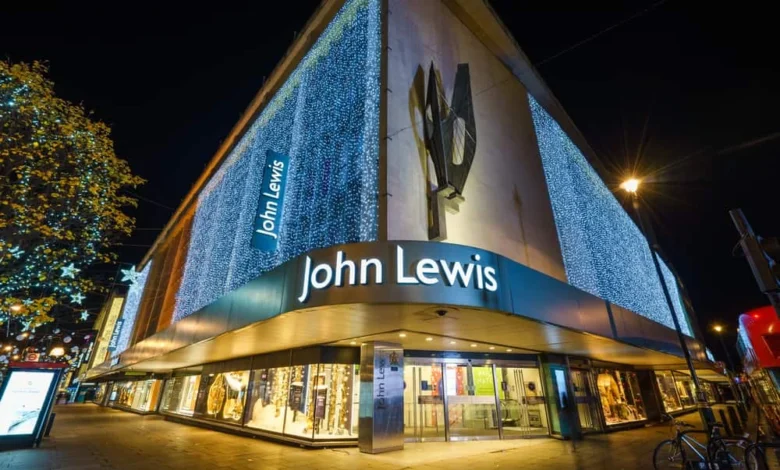
The John Lewis Partnership (JLP) is fundamentally reshaping its approach to retail media, transitioning away from viewing advertising as a siloed revenue stream and instead positioning it as a core extension of its sophisticated customer data strategy. By integrating advanced technological partnerships with its vast repository of first-party data, the retail giant is attempting to solve one of the most pressing challenges in modern commerce: maintaining a consistent, relevant identity for shoppers across an increasingly fragmented digital and physical landscape.
A Strategic Pivot Toward Integrated Identity
The retail landscape has undergone a seismic shift over the past decade. Where once retailers operated in discrete channels, the modern consumer now traverses a complex web of streaming platforms, social media, physical stores, and e-commerce portals. JLP, which operates both the high-end department store John Lewis and the premium supermarket chain Waitrose, possesses a unique advantage: a deep understanding of consumer behavior across two distinct retail categories.
Grocery shopping is characterized by high-frequency, habitual purchasing, whereas department store retail involves lower-frequency, high-consideration purchases. By unifying these behavioral signals, JLP is creating a comprehensive, longitudinal view of its customers. This data-driven approach is supported by two strategic technological alliances: Epsilon for offsite media expansion and Kevel for onsite optimization.
Chronology and Technological Evolution
The evolution of JLP’s retail media arm follows a trajectory similar to that of other major global retailers, yet it distinguishes itself by emphasizing data privacy and first-party ownership over third-party reliance.
- Foundation: Over its 160-year history, JLP built a robust loyalty ecosystem, providing the bedrock for its current data capabilities.
- Initial Digital Transformation: In recent years, JLP prioritized the integration of its online and offline databases, allowing the company to track cross-category spending.
- The Partnership Phase: Recognizing that internal infrastructure required specialized scale, JLP entered into a partnership with Kevel to modernize its onsite advertising stack. This enabled self-service campaign management and real-time AI-powered targeting.
- The Expansion Phase: Most recently, the partnership with Epsilon has allowed JLP to export its audience insights into offsite environments, including Connected TV (CTV), online video, and programmatic display advertising, effectively moving beyond the "walled garden" of its own websites.
Data-Driven Consumer Expectations
The necessity of this pivot is underscored by shifting consumer sentiment. According to recent RetailX consumer survey data, the threshold for "good personalization" has risen significantly. Over 70% of consumers now define personalization as a brand’s ability to provide a consistent, cohesive experience across all touchpoints, rather than occasional, disconnected interventions.
Furthermore, more than 50% of consumers explicitly acknowledge that loyalty memberships—which provide the essential first-party data for these systems—result in more relevant, valuable communications. The message from the market is clear: consumers are willing to share data, provided the return is an experience that eliminates friction and avoids the pitfalls of repetitive, irrelevant advertising.
The Role of ROPO Measurement
One of the most significant barriers to retail media adoption has historically been the "attribution gap." Brands have long struggled to prove that a digital ad impression actually leads to a physical transaction at a point-of-sale terminal.
JLP’s adoption of ROPO (Research Online, Purchase Offline) measurement technology represents a major shift in the retail media paradigm. By linking onsite ad exposure to specific loyalty-card-linked transactions, JLP can provide brand partners with a closed-loop report that justifies advertising spend based on tangible sales rather than vanity metrics like "click-through rates." This transition from digital-only attribution to omni-channel impact measurement is critical for securing larger marketing budgets from major CPG (Consumer Packaged Goods) firms.
Official Perspectives on the Strategy
The leadership at JLP views this technological integration as an imperative for survival and growth in a competitive retail environment.
Jemma Haley, Retail Media Lead for the John Lewis Partnership, notes that the integration is a "big step forward" in crafting an insight-led offering. "It helps us build a detailed understanding of audiences across vastly different purchase journeys, from immediate necessities to more considered items," Haley states. By leveraging first-party data, the partnership aims to move beyond broad demographic targeting toward precision-based audience segmentation.
Kaitlin Craig, Digital Retail Media Lead, emphasizes the value of the company’s heritage. "With over 160 years in retail, we hold really rich customer insights," Craig says. "We’re now able to share this with trusted partner brands to improve the experience for brands and customers alike—whether that’s reminding customers of old favourites, or helping them connect with exciting new brands."
From the technology partner side, Tim Frankcom, President of Europe and APAC at Epsilon, highlights the dangers of the industry’s reliance on third-party cookies and fragmented data. "JLP is taking a different approach, giving brands access to real identity—not guesswork—and campaigns that truly reflect the customer," Frankcom asserts.
Broader Market Implications
The implications of JLP’s strategy extend far beyond its own bottom line. The retail industry is currently experiencing a "gold rush" in retail media, with the sector projected to command an increasing share of digital advertising budgets globally. However, the efficacy of these programs is often hampered by technical debt and poor data hygiene.
By focusing on "real identity," JLP is signaling a move toward a high-fidelity advertising ecosystem. This approach has three major implications for the industry:
- Reduction in Ad Waste: AI-powered targeting minimizes the "spray and pray" nature of traditional display advertising, ensuring that ads are served to users based on purchase intent rather than generic interest groups.
- Increased Value for CPG Brands: By offering proof of offline sales, JLP makes its retail media network an essential partner for CPG brands that previously viewed digital media as secondary to their trade marketing budgets.
- The Death of the "Disconnected" Experience: The demand for consistent brand recognition will likely force other retailers to follow suit. Those who cannot bridge the gap between their online and offline data will eventually find themselves disadvantaged against competitors who can offer a holistic view of the customer journey.
Challenges Ahead
Despite the clear benefits, the implementation of such a sophisticated system is not without risks. The primary challenge remains the regulatory environment surrounding data privacy. As GDPR and other global privacy regulations evolve, JLP must ensure its first-party data collection remains transparent and compliant.
Additionally, the technical complexity of integrating legacy POS (Point of Sale) systems with modern AI-driven advertising stacks is substantial. The success of this initiative will ultimately depend on the accuracy of the data matching process—ensuring that the digital identity of a shopper is correctly mapped to their physical identity in the store.
Conclusion
The John Lewis Partnership’s investment in retail media is not merely a tactical expansion of its advertising inventory; it is a fundamental shift in how the retailer understands its own business. By treating data as a product that provides value to both the consumer and the brand partner, JLP is insulating itself from the volatility of the broader advertising market. As the retail industry continues to navigate a post-cookie world, the ability to synthesize behavior across diverse purchase journeys will likely become the ultimate competitive advantage. For JLP, the journey is just beginning, but the focus on identity and attribution sets a high bar for the rest of the retail sector.