Meta’s New AI Mascot Jolly and the Strategic Rise of Agentic Shopping in the Fashion Industry

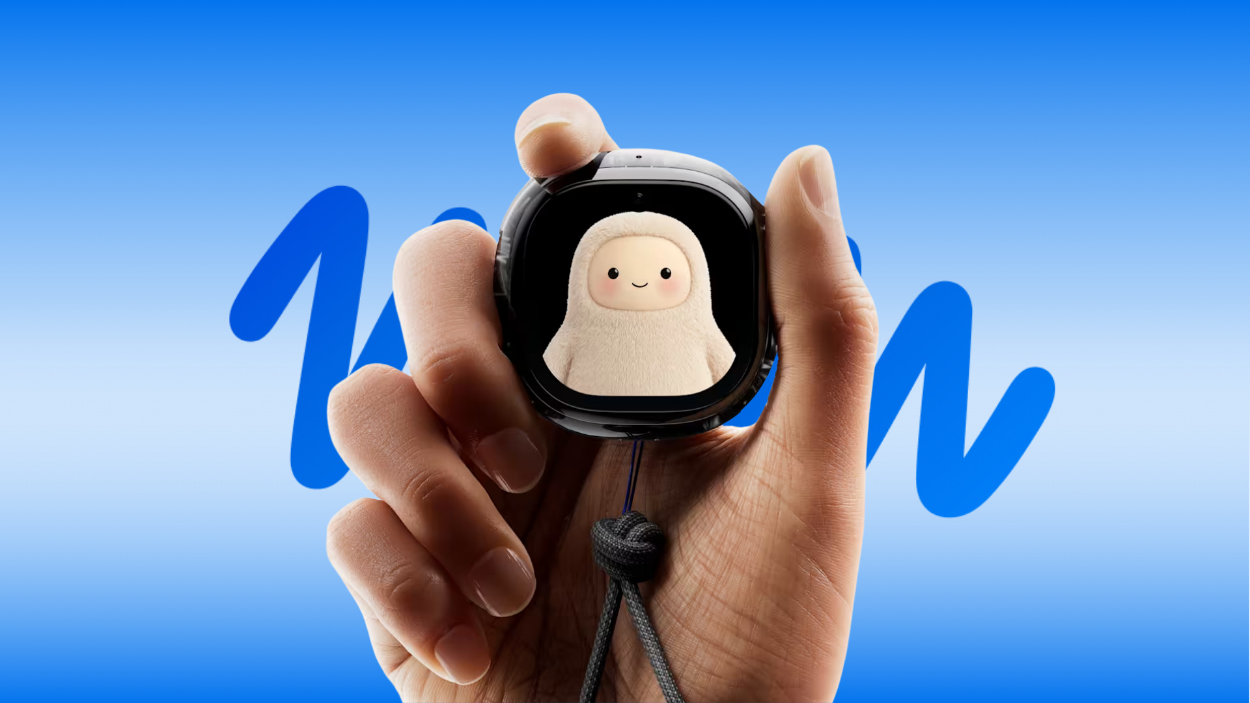
The landscape of consumer technology shifted significantly this week as Meta, during its annual Connect event, formally introduced Jolly, the mascot for its Muse AI agent. While the character—a whimsical figure sporting a fireman’s outfit—has drawn attention for its approachable design, its arrival marks a critical inflection point in the development of "agentic shopping." This technology represents a transition from passive AI chatbots that merely provide information to autonomous agents capable of navigating digital storefronts, managing payment workflows, and executing commercial transactions on behalf of the user.
The Rise of Muse and the Meta Connect Event
Meta’s Connect event, held this past week, served as the launchpad for a suite of new hardware and software capabilities. Central to this was the Muse agent, which has seen rapid adoption in the United States. Analysts have noted that Muse is currently outpacing the early growth trajectory of ChatGPT, which famously set records as the fastest-growing consumer application in history following its 2023 debut.

Meta’s strategy centers on making "Openclaw"—an industry term for sophisticated, agentic AI—accessible to the average consumer. By integrating Muse into a seamless, conversational interface, Meta is betting that the future of digital interaction lies in virtual companionship. The inclusion of Jolly, a carefully designed mascot, is intended to humanize this technology, lowering the barrier to entry for users who might otherwise feel intimidated by complex, task-oriented software.
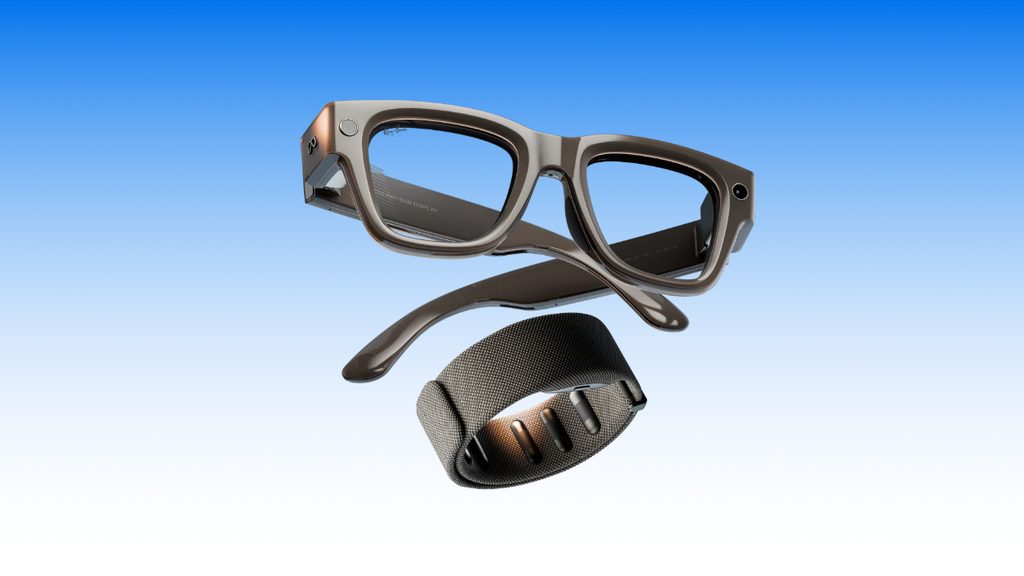
Beyond the software, Meta unveiled new iterations of its "AI glasses." Despite concerns regarding privacy and the ubiquity of cameras, Meta has introduced an audio-only version of its smart glasses to cater to users who prefer a non-intrusive experience. This hardware diversification is timely; recent data from Omdia indicates that global AI glasses shipments surged by 125% year-over-year in the first half of 2026, reaching a record 4.2 million units. These glasses serve as the primary bridge between the physical world and the Muse agent, allowing for hands-free, real-time AI assistance while the user is in motion.
The Mechanics of Agentic Shopping
At the core of the Muse system is a secure, containerized Linux virtual machine. This environment allows the agent to utilize a desktop-class browser to interact with the internet, log into user accounts, and execute specific goals. While initial capabilities are constrained by the limitations of browser-based automation, the scope is expanding rapidly.
Agentic shopping is defined by the agent’s ability to act on behalf of the consumer. This includes proactive deal hunting, price monitoring, and, most crucially, transactional execution. Meta has moved to solidify these capabilities through strategic partnerships with major financial and retail infrastructure providers, including Stripe and Shopify. These agreements streamline the checkout process, allowing Muse to transact directly on behalf of users at major retail outlets like Walmart, Sephora, GAP, and Dick’s Sporting Goods.
However, the current state of agentic shopping remains at what industry experts call the "jagged edge." While frontier models like GPT-6 Astra and Claude Opus 5.5 possess high intelligence, they frequently struggle with the mundane friction of the modern web. Common hurdles include CAPTCHA challenges, complex login pop-ups, and the inability of cloud-based agents to interact with local software or persistent cookies. These technical bottlenecks mean that, while an agent might successfully identify a product and a price point, it often fails at the final step of payment authorization.
Industry Impacts: The Evolution of Showrooming
The implications for the fashion and retail sectors are profound, particularly concerning the phenomenon of "showrooming." Traditionally, showrooming involved customers visiting physical stores to inspect products before purchasing them online at a lower price. Today, that process is being supercharged by AI.

According to research from the MACH Alliance, AI currently influences over 40% of all in-store retail spending, a figure that climbs to over 60% among Generation Z consumers. "Influence" in this context refers to the use of AI tools to compare prices, verify style recommendations, or find alternative inventory in real-time while browsing a store’s aisles. With the integration of AI-powered wearables, this behavior is becoming normalized. Retailers are now facing a new reality where a significant portion of their in-store foot traffic is being moderated by a digital assistant that may actively steer the customer toward a competitor’s product if the brand’s own digital presence is not optimized for AI discovery.
Consequently, brands are under pressure to accelerate their "Generative Engine Optimization" (GEO) and "AI Engine Optimization" (AEO) strategies. If a brand’s hero products do not appear in the recommendations generated by an agent like Muse, they risk losing the customer at the most critical moment of the buying journey: when they are physically standing in front of the product.
Risks, Regulations, and Corporate Incentives
The rapid deployment of agentic shopping has not occurred without pushback. A panel of banking institutions recently issued a warning regarding the inherent risks of shopping bots, citing concerns over fraud, data privacy, and the potential for these agents to be steered toward payment methods with lower consumer protections. Banks have expressed concern that agents might enter card details into insecure websites or prioritize payment gateways that do not offer the same security guarantees as traditional banking institutions.
Furthermore, major marketplaces are beginning to resist the rise of these agents. Amazon recently moved to block Muse from its platform, citing concerns over automated scraping and unauthorized transactional activity. This follows similar efforts by major e-commerce platforms to restrict tools like Perplexity, which rely on similar browser-automation technology.
The central tension, however, lies in the business model of the companies developing these agents. Meta’s dominance in the digital advertising market—where it currently ranks as the world’s largest advertiser—creates a significant conflict of interest. Critics argue that an AI agent developed by an advertising giant is structurally incentivized to prioritize brands that participate in the company’s programmatic ad stack.
Unlike other AI laboratories that function as independent research entities, Meta’s profit motive is deeply tied to its ad revenue. If Muse evolves to become a primary shopping interface, the risk exists that its "recommendations" will be shaped by the advertising spend of third-party brands rather than purely by consumer utility or objective quality.
Conclusion: The Future of the Agentic Interface
The advent of Jolly and the Muse agent signals that the industry has moved past the experimental phase of AI integration and into a phase of functional, autonomous application. While the adorability of a mascot like Jolly may serve as an effective marketing tool to drive consumer adoption, the underlying technology represents a fundamental shift in how commerce will be conducted.
For the fashion industry, the challenge is twofold: adapting to a retail environment where the customer is constantly accompanied by an AI advisor, and navigating a digital ecosystem where the platforms managing that advisor are also the primary gatekeepers of global advertising spend. As the technology matures and the technical limitations of agentic shopping are resolved, the role of the brand will likely shift from appealing directly to the consumer to appealing to the algorithms that represent them. The question remains whether these AI agents will serve as neutral tools for the user or as sophisticated conduits for the interests of the platforms that host them.