Investment in Heat Mitigation Yields Fast Returns for Bangladesh Garment Factories Amid Rising Temperatures

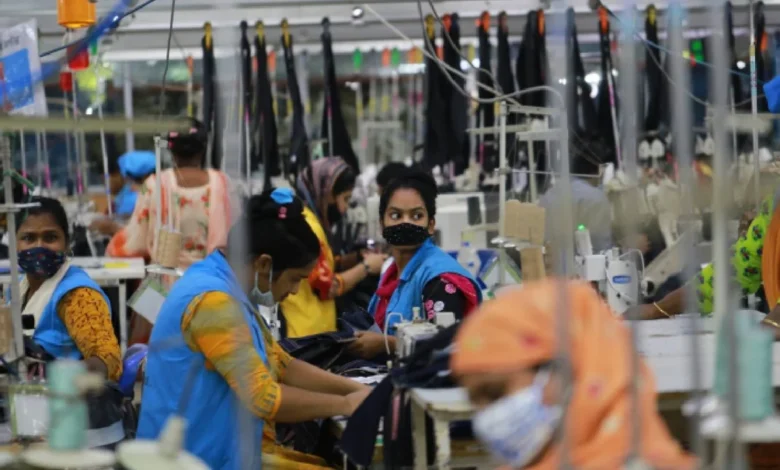
The mounting crisis of extreme heat within the global apparel supply chain has reached a critical inflection point, forcing stakeholders to re-examine factory floor conditions not merely through a humanitarian lens, but as an urgent economic imperative. A groundbreaking research report published by Cornell University demonstrates that strategic capital investments aimed at reducing indoor heat stress in Bangladesh’s garment manufacturing hubs can fully recover their implementation costs within one to four years. Furthermore, these targeted modifications successfully curtail worker exposure to dangerous thermal thresholds while simultaneously reversing productivity declines that threaten the long-term viability of the nation’s dominant export sector.
The comprehensive study, titled “Six seasons, four summers: Inside fashion’s high heat problem and how to solve it,” offers an unprecedented granular look at how rising global temperatures directly impact the readymade garment (RMG) industry. Conducted in collaboration with BRAC University, YGEN Engineering, and the Bangladesh Centre for Worker Solidarity, the year-long investigation monitored environmental conditions across eight diverse garment factories situated in Dhaka. By combining rigorous microclimate monitoring—which tracked temperature and humidity readings inside both production facilities and the private homes of 37 monitored workers—with extensive qualitative surveys and meticulous engineering audits, the research team mapped out the profound physical and financial toll of extreme heat on the workforce.
Chronology and Evolution of the Climate Threat in Dhaka
The baseline reality captured by the research highlights a rapidly shifting climatic landscape. In 2025, Dhaka endured an unprecedented seven-month heat-stress season, a prolonged period of elevated temperatures and humidity that researchers designated as “the new norm” rather than an anomalous weather event. This extended thermal season represents a dramatic departure from historical weather patterns, permanently altering the operational environment of the world’s second-largest apparel exporter.
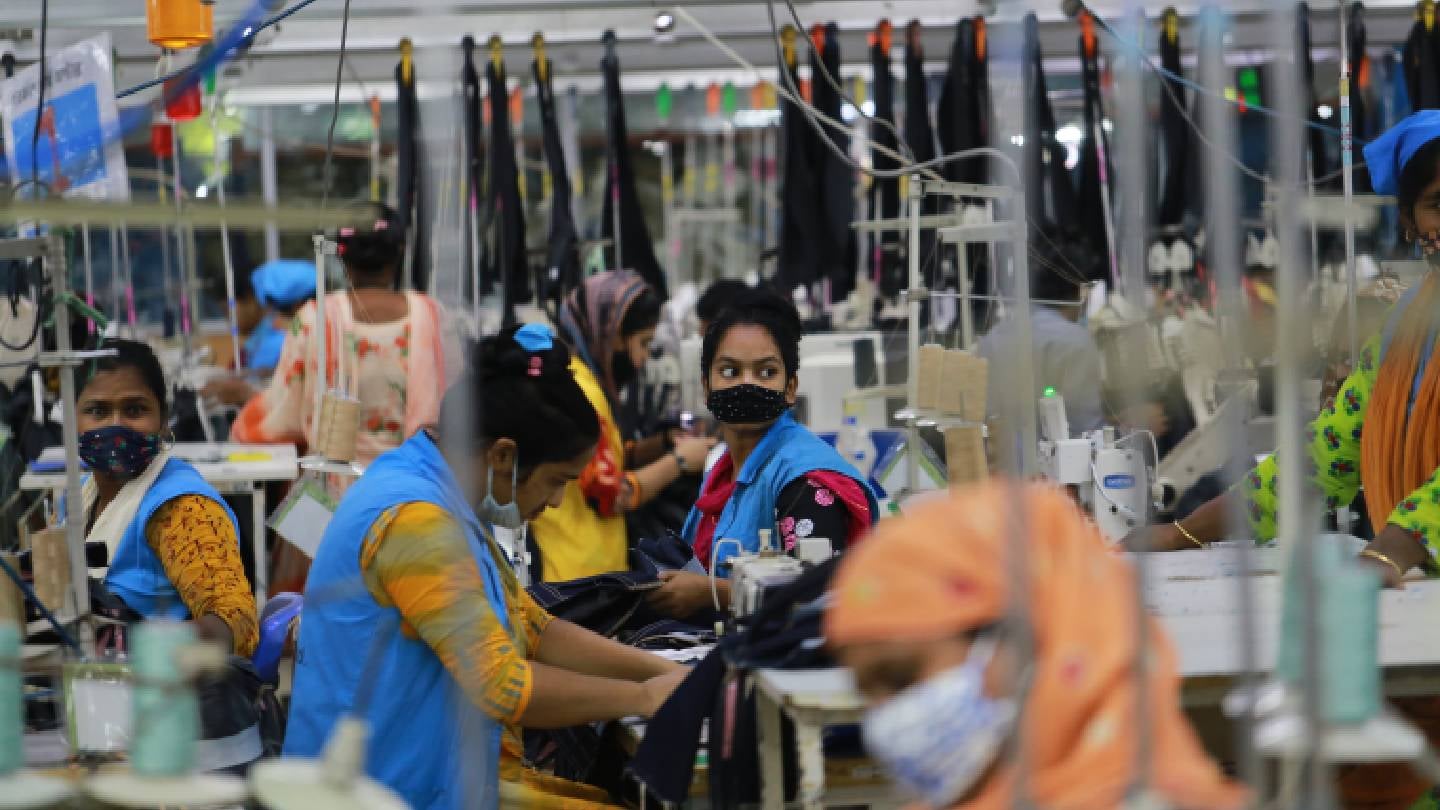
The chronological accumulation of heat stress within the factories reveals that internal microclimates routinely outstripped outdoor ambient temperatures. Specific zones within the garment production cycle bore the brunt of this thermal burden. Ironing and finishing departments, characterized by heavy machinery, steam generation, and intensive manual labor, recorded the highest heat exposure levels across all evaluated sites. Workers deployed in these sections spent substantial proportions of their shifts trapped in caution, high, or severe heat-stress zones. Despite the acute physiological risks posed by these environments, survey data underscored a troubling reality: economic pressures and strict production quotas forced employees to continuously labor through dangerous conditions, leading to cumulative exhaustion, dehydration, and heat-related illnesses.
Away from the factory floor, the study uncovered a secondary cycle of vulnerability. Elevated nighttime temperatures persisted inside urban residential areas, preventing workers from experiencing adequate physiological recovery during off-hours. This lack of restorative sleep compounded daytime fatigue, while simultaneously driving up household expenditures. Workers reported diverting scarce financial resources toward purchasing electric fans, paying for increased electricity consumption, and securing medical care. Many families were forced into precarious financial coping mechanisms, including borrowing money from informal lenders, pawning personal belongings, or cutting back on essential food and nutritional spending during the peak hot months.
Engineering Solutions and Financial Viability
Addressing the structural root causes of indoor heat accumulation requires a departure from superficial cooling methods toward sophisticated, tailored engineering interventions. The engineering assessments conducted as part of the Cornell-led study identified several high-impact measures capable of dramatically lowering internal thermal exposure. Chief among these recommendations are the installation of advanced roof insulation to block solar radiation transfer, the enhancement of natural and forced ventilation systems to accelerate airflow, and the strategic deployment of localized mechanical cooling units in intensive work zones.
Contrary to the assumption that climate adaptation represents an insurmountable financial burden for factory owners, the research established a highly favorable business case for intervention. Through rigorous financial modeling, researchers evaluated the payback periods for these capital expenditures under varying economic conditions. Under a projected “headwinds” scenario—which accounted for higher capital costs, elevated energy prices, and conservative estimates of productivity recovery—the average payback period across the studied factories stood at a swift 2.9 years. Even under the most pessimistic, worst-case analytical scenarios modeled by the research team, the initial investment was fully recovered in slightly more than four years.
The financial engine driving these rapid returns is twofold: the mitigation of productivity losses and the safeguarding of human capital. The study found that unmitigated heat stress was directly associated with an average 4.1% loss in working-time productivity across the assessed sites. By cooling the workspace, factories not only protect worker health and safety but also stabilize output, reduce absenteeism, and minimize error rates associated with cognitive fatigue.
Industry-Wide Scaling and Capital Requirements
Translating these localized successes into a nationwide industry transformation requires a calculated financial commitment from the broader apparel ecosystem. According to the report’s macroeconomic projections, implementing a comprehensive, sector-wide program to tackle high heat stress across Bangladesh’s entire apparel export industry would demand an estimated $239 million in capital expenditure.
When contextualized against the sheer scale of the industry, this investment proves remarkably manageable. Spread across a three-year implementation timeline, the required capital expenditure equates to a mere 0.2% of the RMG sector’s total projected apparel export revenue for 2025. Proponents of the research argue that this modest relative cost makes sector-wide adaptation entirely feasible, provided that the financial responsibility is distributed equitably among all actors in the global supply chain rather than being offloaded entirely onto local manufacturers operating on thin margins.
Jason Judd, executive director of Cornell University’s Global Labor Institute, emphasized the urgency of collective action in light of the findings. "The problem is urgent and we already know what can be done to reduce heat stress," Judd stated. "There are practical solutions available to manufacturers. Addressing heat stress makes sense from both business and worker health and safety perspectives. The challenge now is deciding how to share the costs fairly and scaling these solutions across the industry. This means acting together—employers, buyers, workers, government—including through mandatory programmes such as the International Accord, which provide a framework for putting solutions into practice and spell out how responsibility is shared."
Macroeconomic Implications and Prior Warnings
The 2026 findings build directly upon foundational research published by Cornell University in 2023. In the earlier “Higher Ground” study, conducted in partnership with asset management firm Schroders, researchers warned that compounding environmental hazards—specifically extreme heat and structural flooding—threatened up to $65 billion in apparel exports collectively across Bangladesh, Cambodia, Pakistan, and Vietnam by the year 2030. For Bangladesh alone, that initial macroeconomic forecast identified $27 billion in export revenue and approximately 250,000 potential jobs at direct risk if proactive adaptation measures were neglected.
The progression from broad macro-level risk assessments to micro-level factory audits underscores a shift from problem identification to execution. Industry experts stress that heat adaptation cannot be addressed via a homogenous, blanket template. Tareq Ahmed Robin, managing director of YGEN Engineering Dhaka, highlighted the necessity of customized facility planning during the rollout of mitigation technologies.
"There is no one-size-fits-all solution to heat stress," Robin noted. "Every factory is different, so measures need to reflect the factory’s design and production processes. The important thing is to start now, with practical steps—insulation, improved airflow, active cooling for the hottest areas—and to build on these measures as heat stress rates go higher."
Stakeholder Responsibilities and the Path Forward
As global brands face increasing consumer scrutiny and regulatory pressure regarding environmental, social, and governance (ESG) standards, the integration of heat stress mitigation into corporate sourcing strategies is becoming a vital compliance metric. The Cornell-led report makes a definitive case that protecting factory workers from extreme thermal conditions is intrinsically linked to supply chain stability and economic resilience.
Moving forward, institutional bodies, international apparel brands, labor unions, and government regulators must align their policy frameworks to support capital investment in Bangladeshi manufacturing facilities. By treating heat adaptation as a shared responsibility supported by structured financial mechanisms, the global fashion industry can safeguard millions of livelihoods, ensure uninterrupted production flows, and future-proof a vital developing economy against the accelerating realities of global climate change.