Tesco Launches AI-Powered Virtual Try-On Technology for F&F Clothing in Major Retail Experiment at Sandhurst Extra

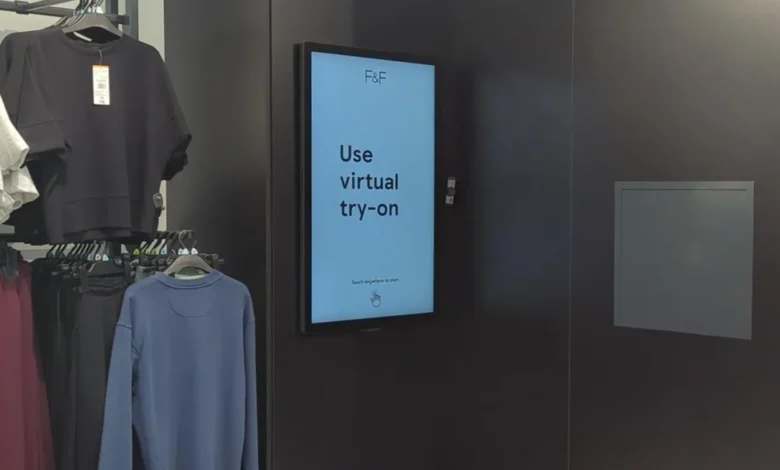
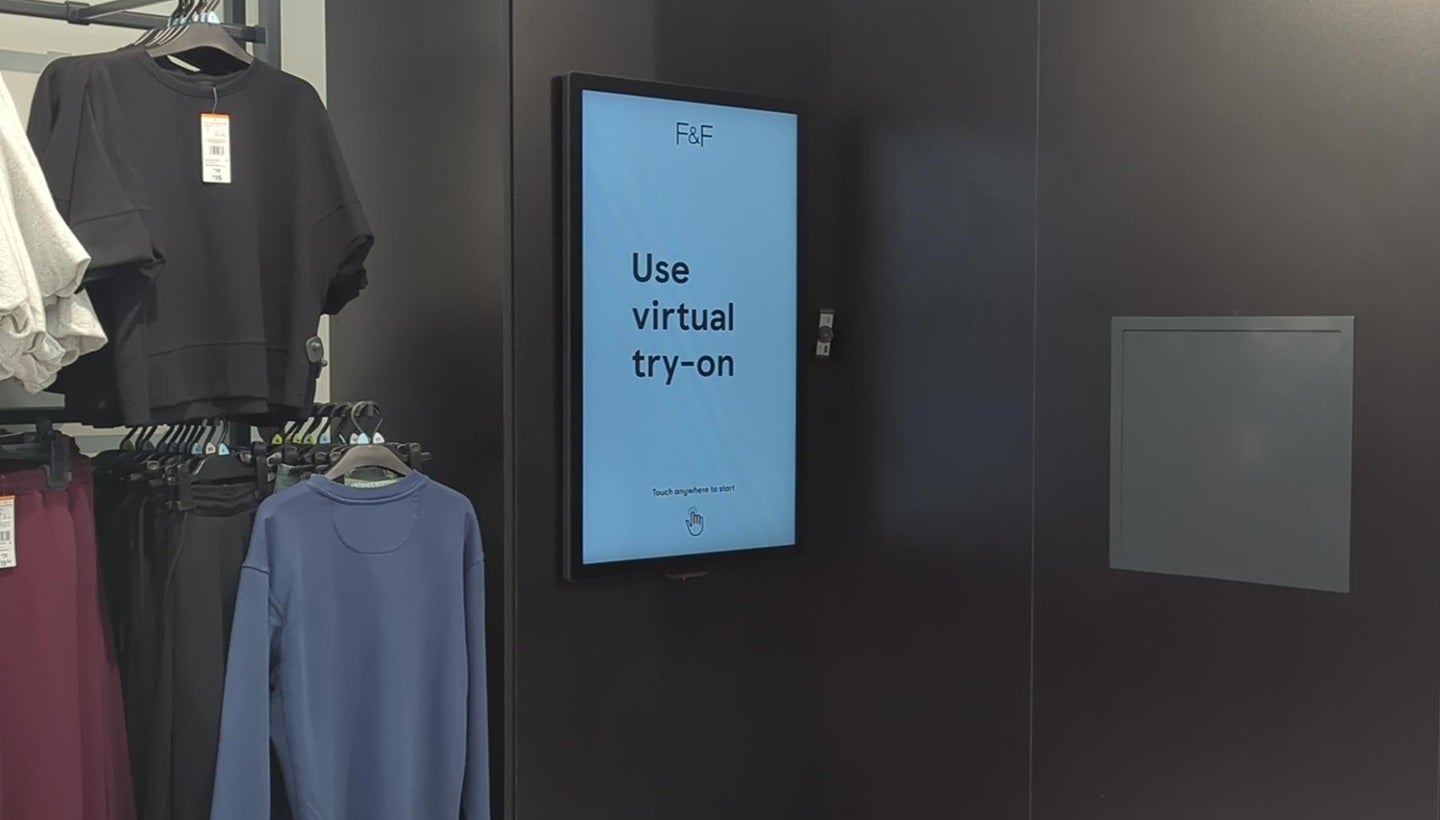
Supermarket giant Tesco has officially entered the next frontier of retail technology by introducing an advanced artificial intelligence-driven virtual try-on system for its popular F&F clothing line. Rolled out as a high-profile pilot program at the retailer’s Sandhurst Extra hypermarket, the initiative marks a significant milestone in how large-scale grocery and apparel retailers attempt to bridge the gap between physical retail browsing and digital convenience. Powered by cutting-edge software from technology provider AIUTA, the in-store digital display invites shoppers to interact with approximately 1,500 distinct menswear and womenswear items from the F&F collection before making a financial commitment.
This strategic deployment arrives at a time of robust financial health for the supermarket’s apparel division. For the fiscal year ending February 28, 2026, Tesco reported that annual F&F revenues surpassed £1.2bn ($1.59bn), representing a solid year-on-year sales growth of 5.1 percent. By marrying steady financial momentum with pioneering retail tech, Tesco aims to solidify its position not merely as a budget-friendly destination for everyday family groceries, but as a dominant force in the highly competitive UK high-street fashion market.
The Mechanics of the Virtual Try-On Experience
Located strategically within the newly revitalized apparel department at the Sandhurst Extra location, the AIUTA-powered touchscreens are designed to be intuitive and user-friendly. Consumers visiting the store can step up to the interactive terminal and either capture a fresh photograph of themselves using an integrated camera or upload an existing image from a mobile device. Once the system processes the user’s basic silhouette and proportions, it generates a realistic digital avatar that permits shoppers to virtually overlay roughly 1,500 F&F items across both the menswear and womenswear categories.
In addition to using a personal photograph, shoppers who may be hesitant to upload their likeness have the alternative option of selecting a pre-existing digital model that closely matches their general body type and size preferences. This feature is engineered to demonstrate how garments drape, fit, and interact across diverse sizes, thereby giving consumers a clearer understanding of cut and silhouette without the need to physically undress and wait for traditional fitting rooms.
According to retail analysts, the primary objective of this technology is to lower consumer friction. Fitting room bottlenecks and the hassle of returning ill-fitting garments purchased on impulse are perennial pain points for fashion retailers and shoppers alike. Tesco’s leadership has noted that the core purpose of this ongoing trial is to evaluate whether immersive digital tools genuinely empower shoppers to navigate style choices with higher confidence, ultimately driving conversion rates while curbing the costly environmental and logistical burden of product returns.
A Comprehensive In-Store Transformation at Sandhurst Extra
The debut of virtual try-on technology does not exist in a vacuum; it serves as the centerpiece of a comprehensive, multi-layered store refresh across the entire F&F footprint within the Sandhurst Extra branch. Recognizing that modern consumers expect an elevated aesthetic and streamlined service when shopping for apparel, Tesco has completely overhauled the physical layout of the clothing department.
The extensive refurbishment includes the integration of modern, energy-efficient lighting systems, contemporary signage designed to guide shoppers effortlessly through distinct lifestyle sections, and dynamic display units that showcase seasonal trends. Crucially, the store has reintroduced physical changing rooms, acknowledging that despite the rise of digital integration, tactile verification remains essential for a significant segment of shoppers. To complement these upgrades, Tesco has also established a dedicated service hub within the clothing zone. This centralized station is engineered to simplify checkouts, manage customer queries, and streamline the returns process, creating a seamless loop from selection to purchase.
Furthermore, the physical product assortment has been noticeably expanded. Shoppers visiting the Sandhurst Extra location will find a broader, more diversified F&F inventory that spans comprehensive ranges across womenswear, menswear, and childrenswear, ensuring that the store functions as a comprehensive fashion destination for families.
Synchronized Digital Expansion and E-Commerce Enhancements
Tesco’s physical store innovations at Sandhurst are running parallel to a sweeping digital overhaul of the F&F online ecosystem. Understanding that modern retail demands a true omnichannel approach, the supermarket has significantly widened its online fashion assortment. Customers browsing the digital platform can now access hundreds of additional styles, extended sizing options, and exclusive capsule collections that are entirely absent from physical supermarket shelves.
To support this expanded digital inventory, Tesco has upgraded its online search functionality, enabling users to filter products with greater precision by fabric, color, occasion, and size. Additionally, the retailer has injected fresh editorial value into its website by incorporating rich styling content, curated lookbooks, and high-resolution fashion imagery. This dual-track strategy—upgrading the physical store experience with AI while simultaneously enriching the e-commerce infrastructure—highlights Tesco’s holistic ambition to capture a larger share of the domestic clothing market, regardless of whether the consumer shops via a touchscreen in-store or a smartphone at home.
Chronology of F&F’s Evolution and Strategic Milestones
The launch of the Sandhurst trial is the latest chapter in a carefully orchestrated evolution of Tesco’s clothing brand. Established years ago as an accessible supermarket label, F&F has steadily transformed its market reputation from a convenient add-on purchase for grocery shoppers into a standalone fashion contender capable of competing with traditional high-street stalwarts.
Over the past decade, Tesco has systematically invested in upgrading the design credentials, material quality, and ethical sourcing practices of the F&F line. The brand transitioned from simple basics to trend-led collections, often drawing positive commentary from fashion journalists and style influencers. The COVID-19 pandemic accelerated consumer shifts toward convenient, value-driven supermarket clothing, helping F&F capture significant market share while traditional non-essential retail faced prolonged lockdowns.
By 2024 and 2025, as retail footfall normalized, Tesco concentrated heavily on optimizing its inventory management and digital platforms. The announcement in early 2026 of surpassing £1.2bn in annual F&F revenue proved that the brand had successfully weathered inflationary pressures and shifting consumer spending habits. The introduction of the AIUTA virtual try-on trial in September 2026 represents the logical evolution of this growth trajectory—leveraging robust financial health to test disruptive, future-proof technologies that redefine the supermarket retail experience.
Industry Implications and the Future of Supermarket Fashion
The deployment of artificial intelligence for virtual garment fitting by a mass-market grocery retailer signals a broader shift across the retail landscape. Historically, advanced augmented reality and AI try-on tools were the exclusive domain of luxury houses or specialized e-commerce pure-plays. Tesco’s decision to pilot this technology in a suburban Extra store demonstrates that immersive retail tech is rapidly democratizing.
If the Sandhurst Extra trial yields positive results in terms of customer engagement, conversion rates, and return reduction, industry observers anticipate that Tesco will roll out the AIUTA technology across a wider footprint of its largest UK hypermarkets. Such a move could pressure competing supermarket chains—such as Asda with George, and Sainsbury’s with Tu—to accelerate their own technological investments to remain competitive in the battle for the British consumer’s discretionary spend.
Moreover, the integration of AI fitting solutions aligns with growing consumer demand for personalized and sustainable shopping practices. By helping customers visualize how clothes fit before they buy, retailers can potentially mitigate the environmental footprint associated with reverse logistics, where millions of returned garments are processed, repacked, or occasionally relegated to landfills. While it remains to be seen whether everyday grocery shoppers will widely embrace digital avatars alongside their weekly trolley of provisions, Tesco’s bold experiment at Sandhurst undoubtedly sets a new benchmark for innovation in British supermarket retail.