The Power of the Lens: Tracing the Black Arts Movement from 1955 to 1985 at the Getty

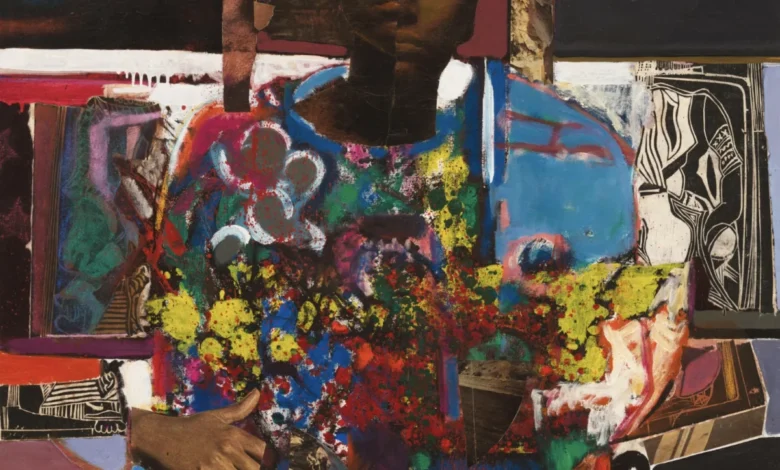
The intersection of visual art, sociopolitical mobilization, and cultural identity takes center stage in a landmark exhibition currently captivating audiences on the West Coast. Titled Photography and the Black Arts Movement, 1955–1985, the sweeping showcase on view at the Getty in Los Angeles brings together approximately 150 seminal works that document, interrogate, and celebrate three transformative decades of the African diaspora. Curated by Philip Brookman, a distinguished photography curator at the National Gallery of Art in Washington, D.C., and Deborah Willis, renowned historian, professor, and MacArthur Fellow at New York University, the exhibition bridges the gap between historical documentation and avant-garde artistic expression.
To understand the profound weight of the exhibition, one must look beyond the gallery walls and examine the curatorial framework. Mazie Harris, assistant curator at the Getty, offers vital insight into the genesis of the project and its urgent relevance in contemporary civic life. According to Harris, the exhibition was conceptualized years ago with a fundamental premise: photography was not merely a peripheral recorder of historical events, but a central driver in advancing Black art, culture, and political consciousness. By reframing the Black Arts Movement through the lens of visual culture, the curators successfully position photographic practice alongside the period’s vibrant developments in painting, poetry, theater, and music.
Historical Chronology and Evolution of the Movement
The chronological scope of the exhibition, spanning from 1955 to 1985, is deliberately chosen to capture the arc of the modern civil rights era through to the maturation of the Black Arts Movement. The starting point of 1955 coincides with pivotal moments of resistance, including the Montgomery Bus Boycott, which signaled a mass mobilization of African Americans utilizing direct action against institutionalized segregation. The end date of 1985 marks a period of consolidation, where the aesthetic and political gains of the preceding decades were being institutionalized, studied, and reinterpreted by a new generation of artists and scholars.

Throughout this thirty-year span, the function of the camera shifted dynamically. In the mid-1950s and 1960s, photography was urgently deployed as an instrument of truth-telling and political leverage. Images captured by frontline photojournalists and movement activists exposed the brutal realities of racial violence, police brutality, and disenfranchisement to a national and international audience. Publications such as Jet, Ebony, and mainstream newspapers served as critical conduits, ensuring that photographs of historic events—such as the Selma marches, the sanitation workers’ strike in Memphis, and voter registration drives led by figures like Fannie Lou Hamer—could bypass local suppression and shock the public conscience.
By the 1970s and early 1980s, the movement evolved from purely reactive documentation to proactive self-determination. Artists began to harness the camera not just to record oppression, but to construct counter-narratives that celebrated Black beauty, familial intimacy, spirituality, and everyday dignity. The inclusion of diverse geographies within the diaspora—incorporating the work of African, British, Nuyorican, and Caribbean artists—underscores the transnational dialogue that fueled liberation struggles across the globe.

Curatorial Vision and Standout Works
The exhibition operates much like a collage, mirroring the multi-faceted nature of the diaspora itself. Bringing together works by more than 100 creators, the installation juxtaposes iconic masterpieces with lesser-known archival artifacts. Some images were meticulously crafted as fine art prints, while others were produced anonymously or collectively as ephemeral tools for grassroots political organizing.
Among the striking pieces greeting visitors is Darryl Cowherd’s 1960s photograph titled The Time is Now, which captures the phrase spray-painted onto a weathered door. This single image serves as a conceptual anchor for the entire exhibition. As Harris notes, the sentiment resonates across generations, urging contemporary audiences to recognize the ongoing relevance of mid-century civil rights struggles in today’s fraught political climate.

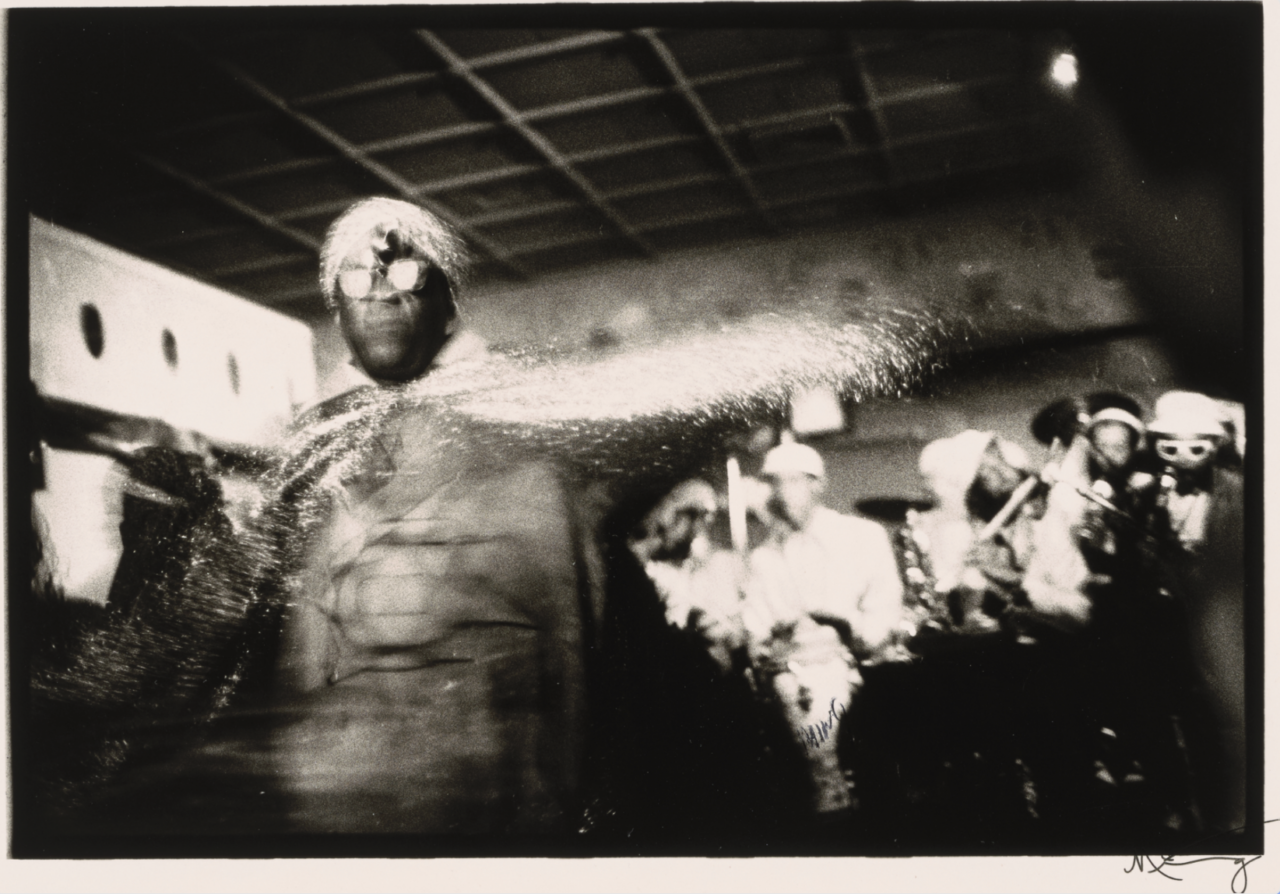
Another visual anchor is Ming Smith’s 1978 gelatin silver print, Sun Ra Space II, New York, New York. Featuring the visionary jazz composer Sun Ra seemingly floating forward and radiating light against a swirling cosmic backdrop, Smith utilized extended exposure techniques to visualize the artist’s imaginative, liberatory cosmology. Created nearly five decades ago, the photograph exemplifies the Afrofuturist threads woven throughout the exhibition, demonstrating how artists transcended terrestrial confines to envision liberated futures.
Other notable contributions include Ernest C. Withers’ haunting documentation of the 1968 Memphis sanitation workers’ strike, famously bearing the "I Am a Man" placards, and Moneta Sleet Jr.’s tender depiction of two teenage supporters of the 1965 Selma March. Works by Gordon Parks, Carrie Mae Weems, David C. Driskell, and John W. Mosley further enrich the visual tapestry, offering multifaceted perspectives on labor, community organization, and domestic life.

Institutional Collaboration and Broader Implications
The realization of Photography and the Black Arts Movement, 1955–1985 is the result of extensive collaboration between major cultural institutions. Following its run at the Getty in Los Angeles through mid-June, the exhibition will travel to the Mississippi Museum of Art, where it will be on view from July 25 through November 8, 2026. This geographic trajectory—moving from a major West Coast cultural hub to the American South—lends additional symbolic weight to the project, bringing the history of civil rights back to the soil where many of these foundational struggles occurred.
Cultural analysts and art historians have noted the profound implications of this exhibition at a time when voting rights, educational curricula, and civil liberties face renewed legislative and political challenges across the United States. By demonstrating how past generations utilized visual media to demand accountability, build solidarity, and foster community empowerment, the exhibition offers a masterclass in civic engagement.

As museum-goers navigate the galleries, the underlying message remains a call to action. The photographs on display challenge viewers to look beyond the glowing screens of the digital age and consider their own agency. Whether through artistic creation, political advocacy, or the intentional documentation of one’s own community, the enduring legacy of the Black Arts Movement asserts that the power to shape history lies firmly in the hands of those willing to bear witness.