Fashion Industry Roundup: A Comprehensive Overview of Global Collections and Cultural Collaborations for Mid-Summer 2027

The global fashion landscape for the mid-summer 2027 season has proven to be a period of intense creative cross-pollination, where established luxury houses are increasingly aligning with avant-garde designers, artists, and subcultural movements to redefine the contemporary wardrobe. From the sun-drenched runways of 080 Barcelona Fashion to the intellectual rigor of Parisian exhibitions and the technical innovations of high-performance sportswear, the industry is witnessing a shift toward narratives that emphasize identity, protection, and the reclamation of outsider aesthetics.

The Rise of Narrative-Driven Collections
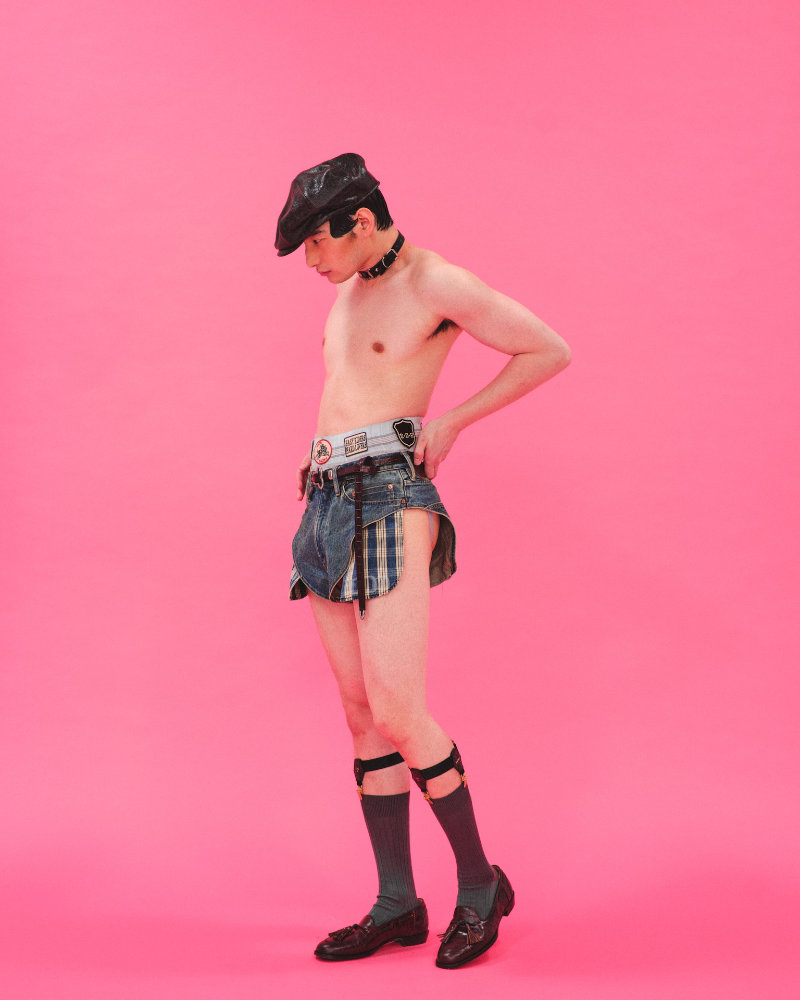
At the heart of the current season lies a focus on storytelling that transcends traditional garment construction. Carne Bollente’s collaboration with Sugarhill, titled "Road 69," exemplifies this trend. By synthesizing the sensual, nocturnal imagery of Tokyo’s motorcycle subculture with the label’s signature provocative design language, the collection functions more as a cinematic vignette than a seasonal release. This approach—where the clothing serves as a costume for a specific, imagined reality—is mirrored in the work of emerging brands like BOLTAD, which made its 080 Barcelona Fashion debut with "Billy I El Hermoso," a meditation on reincarnation and the social alienation of the "outsider."
Similarly, Outsiders Division, now celebrating its thirteen-year anniversary, has leaned into its "teenage" era. By embracing a chaotic, subversive aesthetic, the label remains a stalwart of the Spanish fashion scene, demonstrating that longevity in the modern market is often tied to the ability to retain a core, rebellious identity while navigating the complexities of commercial growth.
Technical Performance and Luxury Convergence
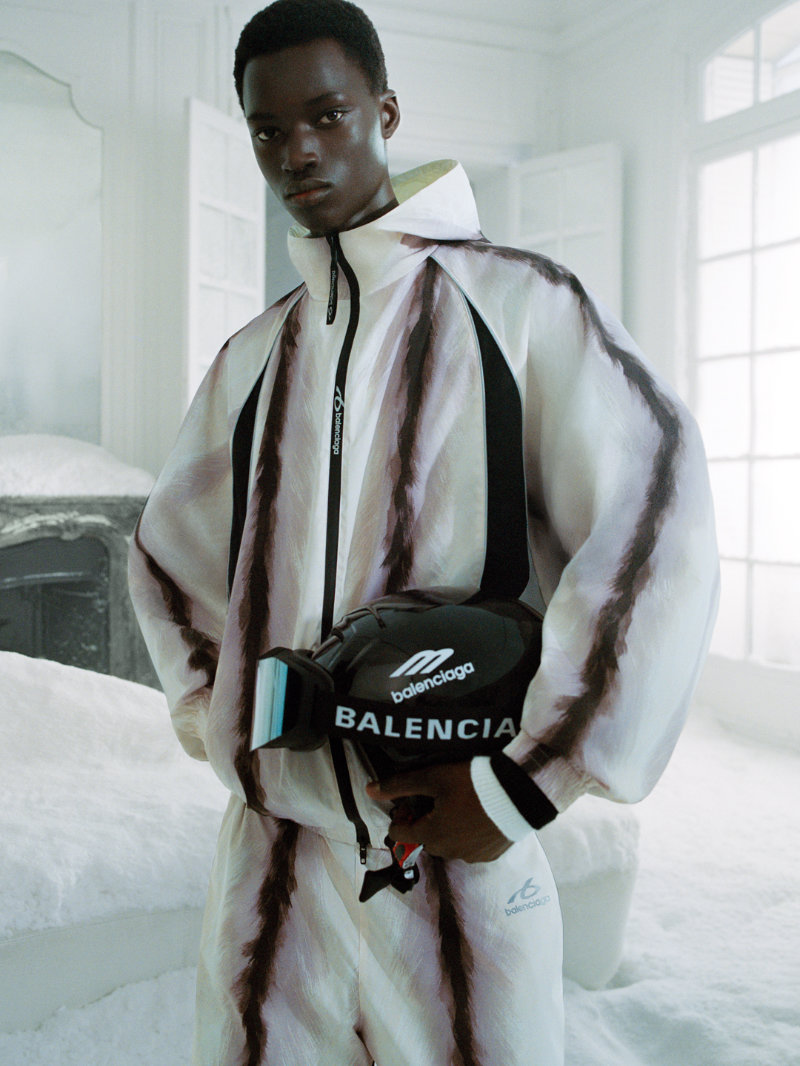
The intersection of high-performance technical gear and luxury fashion continues to be a dominant economic driver. Balenciaga’s 2026/2027 Skiwear Collection, helmed by creative director Pierpaolo Piccioli, represents a pivotal moment in this convergence. By bridging the functional demands of alpine sports with the sartorial expectations of urban environments, the house is catering to a consumer base that demands multi-functional, high-durability apparel.
This trend is echoed in the collaborative efforts between major heritage brands and specialized innovators. The partnership between WHOOP and Samuel Ross’s atelier, SR_A, for "Layer 2 of Project Terrain," marks a sophisticated evolution in wearable technology. By integrating health-tracking functionality with high-concept design, the project signals a future where the line between digital health infrastructure and personal style becomes entirely blurred. Simultaneously, the collaboration between Salomon and Protect on the "ACS NEXT: SLUSHIE" silhouette underscores the industry’s ongoing obsession with reimagining archival performance footwear through limited-edition, design-heavy lenses.
Art, Identity, and the "White Cube"
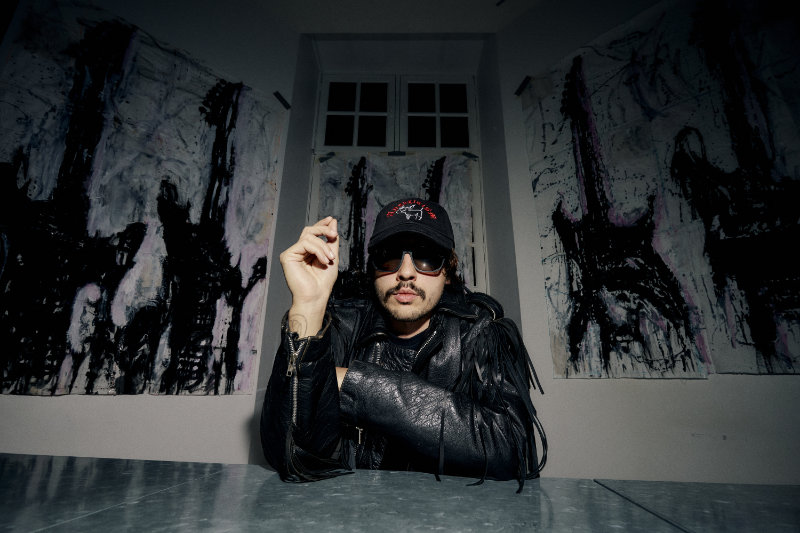
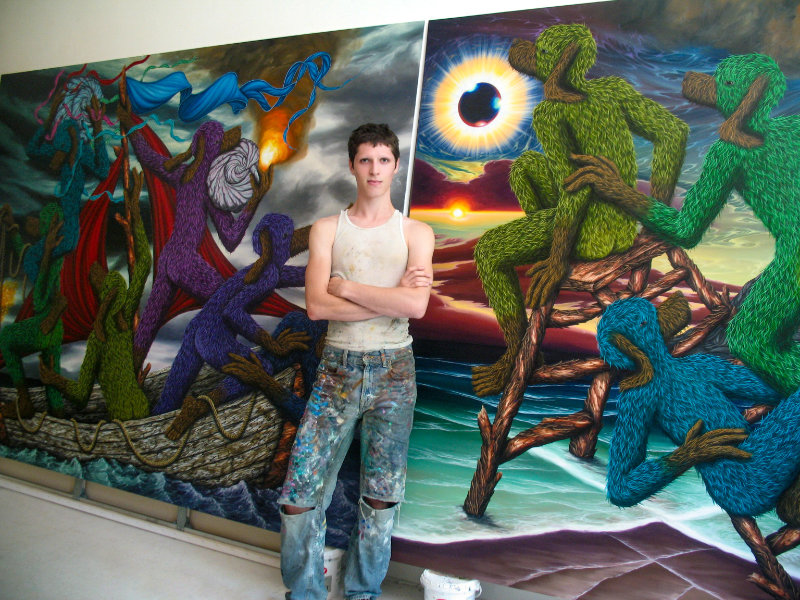
The season has also been characterized by a notable movement of fashion designers into the realm of fine art and cultural curation. The REFERENCE Festival’s debut in Paris with the "FREIE KUNST" exhibition serves as a microcosm of this trend. Set against a backdrop of global political instability, the festival sought to create a forum for discourse on art and resistance, inviting artists like Kolya Nemoi to challenge the traditional constraints of the "white cube" gallery space. Nemoi’s work, which spans tattoos, merchandise, and painting, highlights the modern artist’s need for a multi-platform presence.
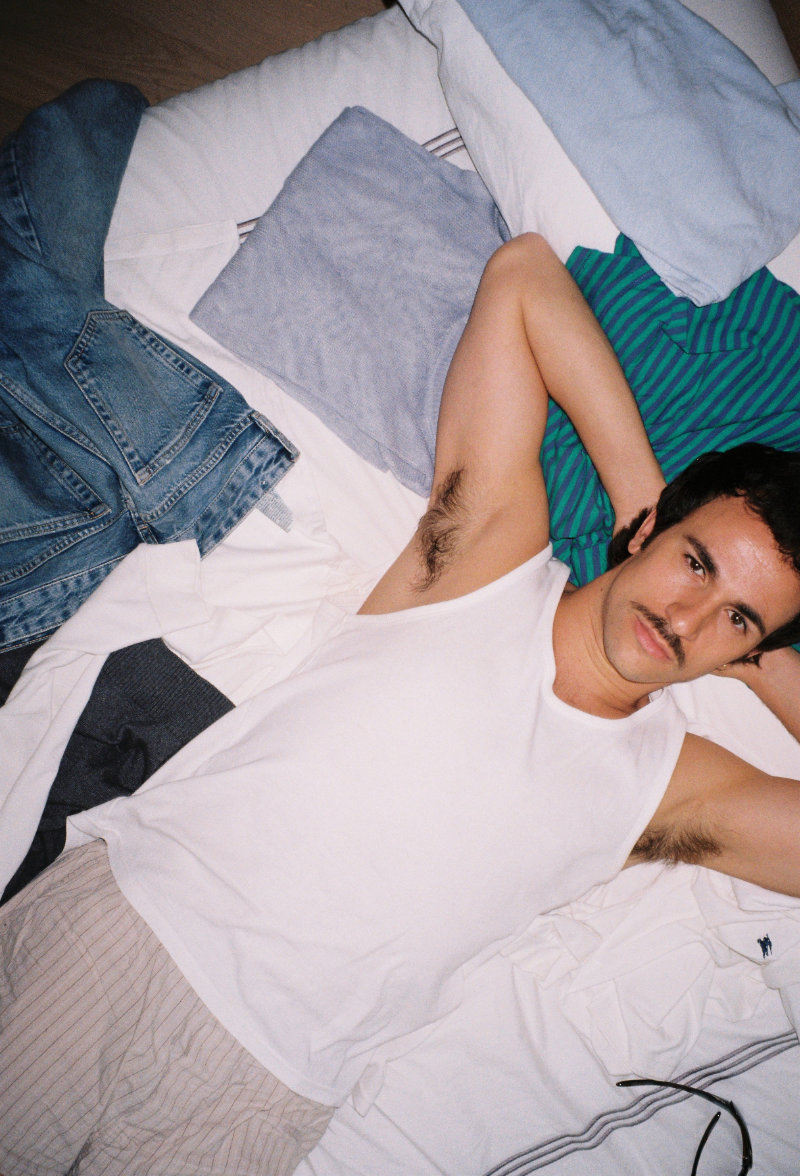
This intellectual approach to fashion is further evidenced by LEMAIRE’s curation of "je dors beaucoup," an exhibition at their Paris boutique dedicated to the graphic works of Roland Topor. By contextualizing their clothing collections within the broader artistic heritage of the 20th century, brands are deepening their value propositions, moving beyond transactional retail toward a model of cultural contribution.
Shared Wardrobes and Gender Neutrality
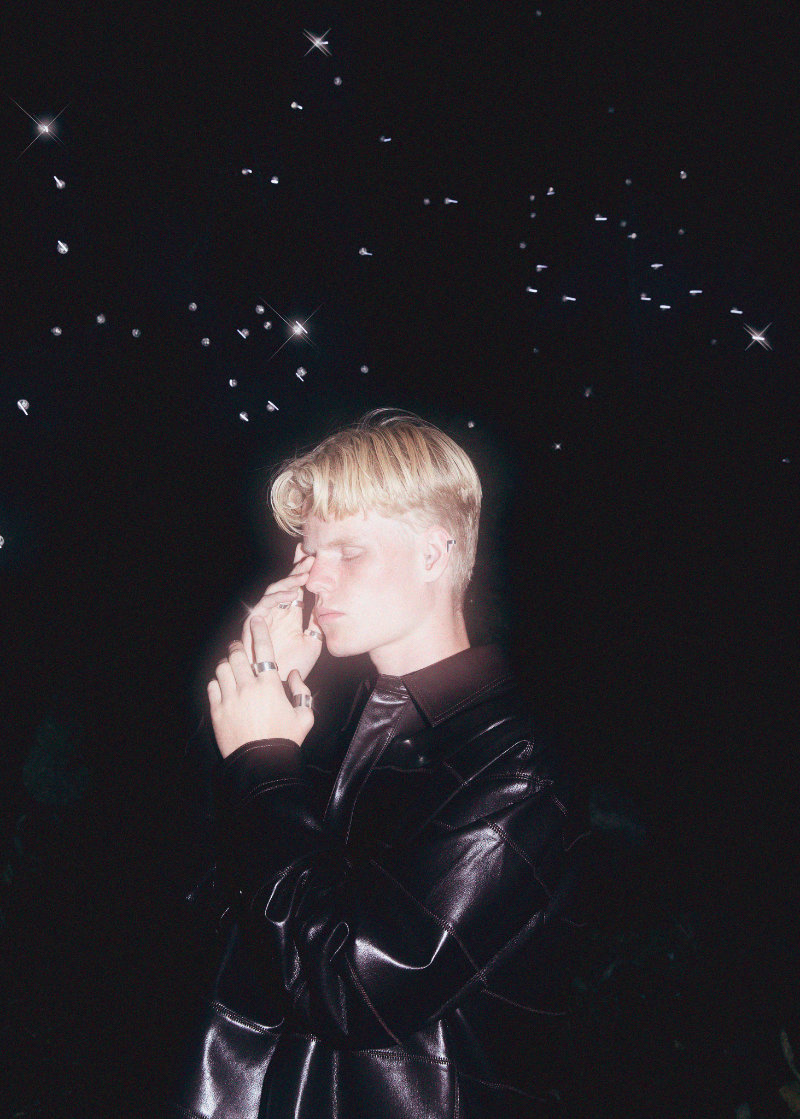
The concept of the "shared wardrobe" has evolved from a niche preference to a foundational pillar of modern design. The 24-piece collection between END. and Samsøe Samsøe exemplifies this shift toward gender-neutral, utilitarian clothing that addresses the mobility needs of the contemporary urban dweller. By fusing London’s streetwear sensibilities with Copenhagen’s minimalist traditions, the collaboration demonstrates the efficacy of regional design synthesis in creating a cohesive, globalized aesthetic.
In a similar vein, the collaboration between Maison Margiela and Gentle Monster for their fourth collection—focused on the theme of "deconstruction"—proves that even high-luxury accessories are being rethought through a lens of modularity and fluidity. The ability to lift and pull apart familiar silhouettes allows these brands to maintain their intellectual edge while providing the consumer with a sense of agency in how they style their own identities.

Chronology of Key Industry Developments (October 2026)
- Early October: The initiation of the 080 Barcelona Fashion week, highlighting a new wave of Spanish talent including David Catalán, Antonio Acuario, and Obarret, all of whom focused on the themes of "crisis," "moment," and "soulstice."
- Mid-October: The launch of the Balenciaga Skiwear campaign, signaling the formal start of the winter-ready luxury cycle.
- Late October: The unveiling of the REFERENCE Festival in Paris, marking a significant crossover between high fashion and political art activism.
- Ongoing: The continued rollout of the Bottega Veneta "Alta" fragrance and leather accessory line, marking a strategic diversification of the house’s product portfolio into lifestyle categories.
Fact-Based Analysis of Market Implications
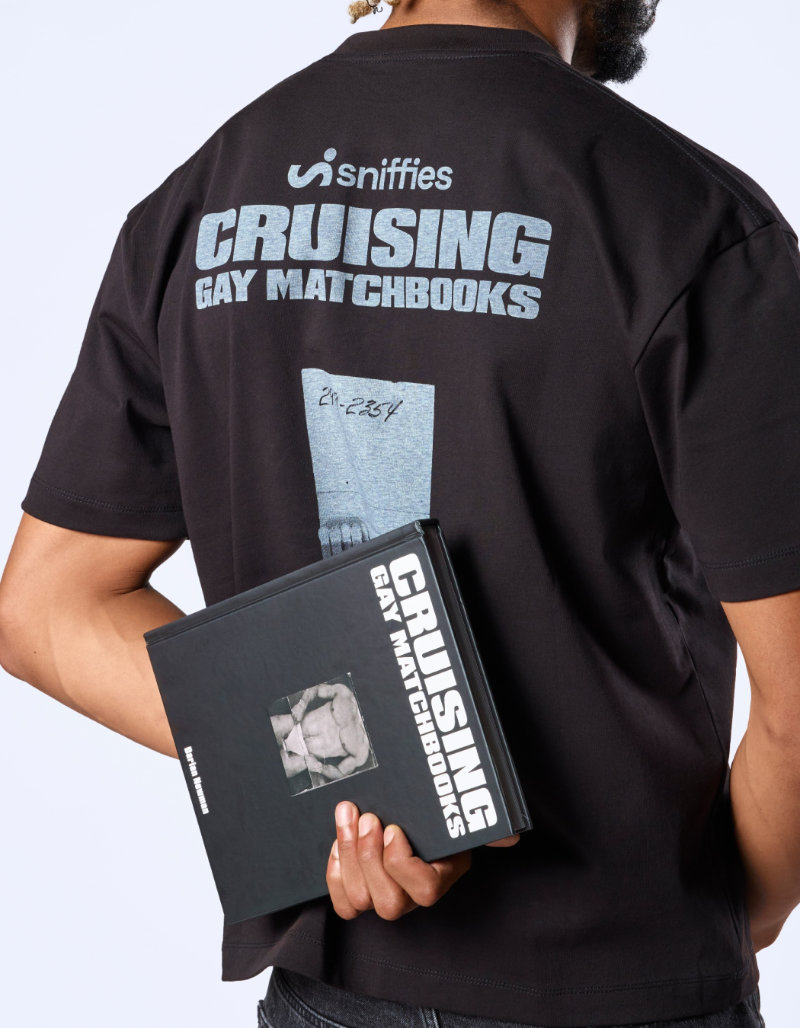
The data suggests that the fashion industry is currently navigating a "crisis of relevance" by doubling down on authenticity. Labels that are successfully capturing market share are those that actively cultivate communities rather than just audiences. The success of Sniffies and the "Old Flames" collection, which utilized archival graphics from historic gay nightlife venues, proves that heritage-based storytelling—even when tied to subcultures—is a potent driver of engagement.
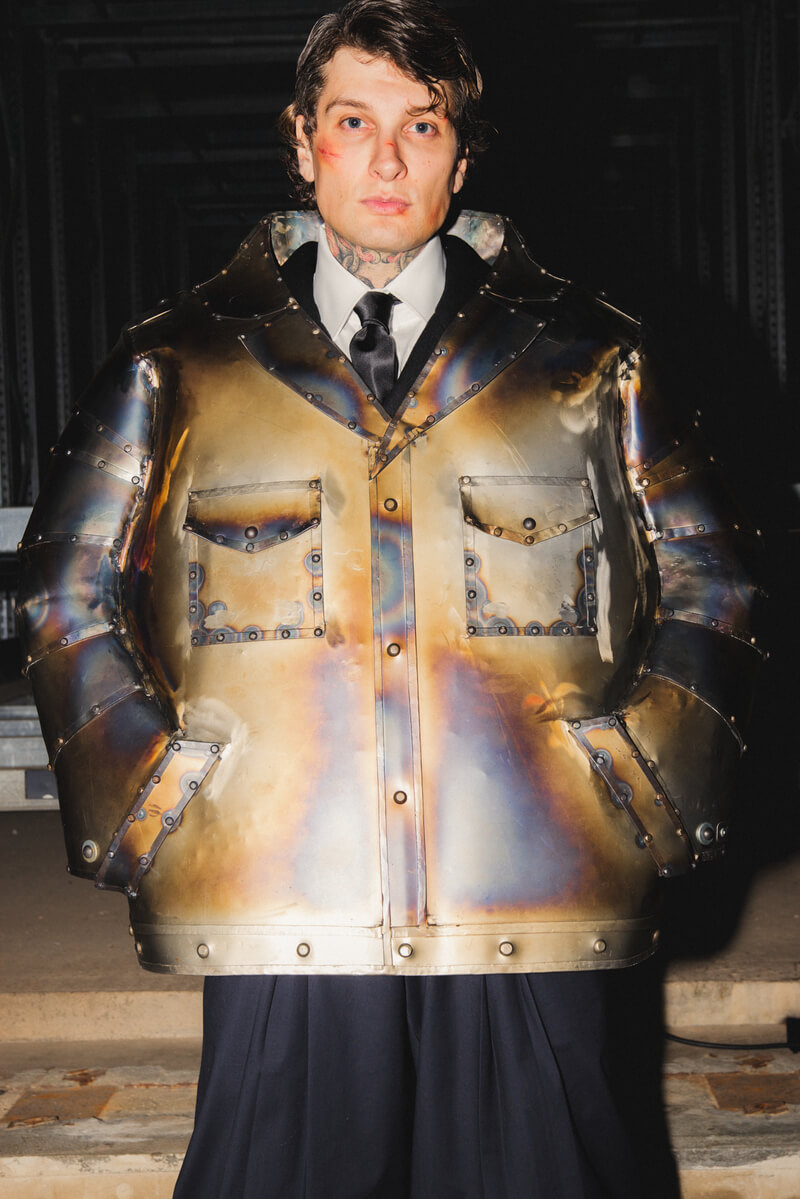
Furthermore, the expansion of brands into "backstage" narratives—such as the documentation of David Catalán’s CRISIS SS27—indicates that the modern consumer values transparency. The "making-of" process is no longer hidden but is instead presented as a vital part of the value chain. This shift reflects a broader economic trend: in an era of mass-produced fast fashion, the "story behind the stitch" is what justifies premium pricing.
Official Perspectives and Future Outlook
While specific financial results for these collaborations are pending quarterly reports, industry analysts note that the "collaboration-first" model remains the most effective strategy for mitigating risk in an volatile global market. By pooling resources and audience reach, labels like Albino & Preto and ASSPIZZA can penetrate niche markets—in this case, martial arts gear—without the overhead of developing entirely new product categories from scratch.
As we look toward the remainder of 2027, the industry is poised to continue this trajectory of "hybridization." We can expect to see:
- Increased Integration of Tech: Wearable devices will likely transition from fitness accessories to integrated components of luxury garments.
- Cultural Curation: Retail spaces will continue to evolve into galleries and community centers, prioritizing experience over inventory density.
- Sustainability via Circularity: As evidenced by the success of Riga Fashion Week’s focus on circular innovation, designers who prioritize material longevity and recycling will increasingly lead the conversation on ethical production.
In conclusion, the mid-summer 2027 season is defined by a paradox: as the world becomes more digitally connected and homogenized, fashion is responding by becoming more localized, subcultural, and deeply personal. Whether through the lens of a motorcycle fantasy in Tokyo or the protective gear of a Barcelona runway, the common thread is a rejection of the status quo in favor of a more expressive, defiant, and intellectually curious future. The industry is not merely selling clothes; it is providing the armor for a generation navigating the complexities of identity in a changing world.