Poundland on the brink as co-founder joins growing chorus of criticism against Gordon Brothers

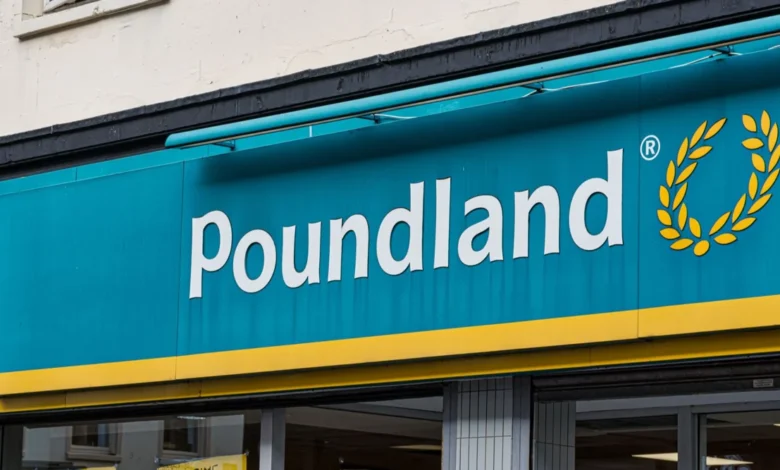
The future of Poundland, one of the United Kingdom’s most recognizable high street fixtures, hangs in a precarious balance this week as a high-stakes standoff between its ownership and potential rescuers reaches a critical juncture. The retailer, which has become synonymous with value-driven consumerism over the past three decades, filed a notice of intention to appoint administrators last week, triggering a frantic search for a lifeline. At the heart of the crisis is a public clash between the chain’s original co-founder, Steve Smith, and its current owner, the US-based investment firm Gordon Brothers.
The intensity of the dispute reached new heights over the weekend when Smith, who launched the brand alongside his father in 1990, issued a public appeal via LinkedIn. Smith argued that the business is fundamentally sound, pointing to a resilient performance marked by like-for-like sales growth of nearly 7%. His plea to the current owners was direct: accept a solvent rescue bid from the Martin Property Group and prevent what he termed a potentially "devastating collapse." Smith warned that the failure of the chain would have a ripple effect far beyond the storefronts, suggesting that when factoring in the complex network of suppliers, logistics providers, and associated businesses, the total impact could put as many as 30,000 jobs at risk.
A Chronology of a Corporate Standoff
The current crisis did not emerge in a vacuum; it is the culmination of a series of ownership shifts and financial pressures that have placed the retailer in a vulnerable position.
In early 2025, Gordon Brothers acquired Poundland from the pan-European retailer Pepco in a transaction valued at a nominal £1. However, the deal included a substantial £30 million shareholder loan. Industry analysts have noted that this structure created a specific set of incentives for the owner, prioritizing the recovery of capital over the long-term operational health of the retail estate.
When the Martin Property Group emerged with a solvent offer to take over the business, expectations were that a deal would be reached to secure the company’s future. However, Gordon Brothers rejected the proposal. Reports suggest that the refusal was rooted in a desire to ensure the full repayment of the £30 million loan, rather than accepting a restructuring deal that might have seen the debt serviced over a more extended period.
Following the rejection of this offer, the board filed a notice of intention to appoint administrators. This legal mechanism provides the company with 10 working days of protection from its creditors, a window intended to facilitate emergency negotiations. With the clock ticking, the primary tension remains between the obligation to creditors and the potential for a managed, solvent transition of ownership.
The Economic Stakes and Operational Context
The potential insolvency of Poundland represents a significant shock to the UK retail landscape. The brand operates approximately 600 stores nationwide, employing more than 11,000 staff directly.
The economic implications of such a closure are multi-layered. First, there is the immediate loss of employment for thousands of staff, many of whom occupy roles in areas where retail jobs are a vital component of the local economy. Second, the collapse would leave a massive footprint of vacant retail space on high streets that are already struggling to adapt to the post-pandemic reality of increased e-commerce and shifting consumer habits.
From a supply chain perspective, the collapse would be catastrophic for the secondary market. Poundland’s business model relies on high-volume, low-margin transactions, supported by a vast array of manufacturers and wholesalers. If the company enters administration, these suppliers could face significant bad debt write-offs, which would in turn threaten the viability of smaller enterprises that rely on Poundland as a major customer.
The 7% growth in like-for-like sales cited by Smith is a critical piece of evidence for those arguing that the business is viable. This figure suggests that despite inflationary pressures and the broader cost-of-living crisis, the consumer demand for discount retail remains robust. Proponents of the rescue bid argue that the business model is not broken; rather, the financial structure imposed by the current ownership is the primary barrier to survival.
Government Intervention and Political Pressure
The plight of the retailer has moved from the boardroom to the halls of Westminster, as senior government figures express deep concern over the handling of the situation.
Prime Minister Andy Burnham has signaled a strong desire for the government to intervene where possible, particularly in protecting the workforce. "We want to see jobs protected," the Prime Minister stated recently. "If there was a potential owner to avoid this that hasn’t been accepted, then the Business Secretary and I want to know why that is the case. We stand ready to support the workforce however we can."
Business Secretary Jonathan Reynolds echoed these sentiments, asserting that Gordon Brothers faces "serious questions to answer" regarding their rejection of the viable rescue bid. The government’s frustration stems from a sense that, if a path to solvency exists, the current owners have a moral, if not strictly legal, obligation to pursue it to prevent the mass redundancy of thousands of employees.
In a move to gain clarity, Business Minister Kate Dearden is scheduled to hold emergency meetings with senior Poundland executives. These discussions are expected to focus on the technical details of the rejected bid and the potential for a eleventh-hour change in course.
However, the government’s power in this scenario is circumscribed by the realities of private equity law. Ministers can wield political pressure and demand transparency, but they lack the legal authority to override the decisions of a private owner unless there is clear evidence of insolvency law violations or corporate misconduct. In the absence of such evidence, the government is essentially reduced to a spectator, albeit one with significant influence.
Analysis: The Conflict of Interest in Insolvency
The situation at Poundland serves as a case study for the friction between private equity ownership and the broader social responsibility of large-scale employers. The core of the issue lies in the "waterfall" of payments during an insolvency process.
In a standard administration, secured creditors—such as those holding shareholder loans—often have priority over other stakeholders, including employees, suppliers, and the public interest. Critics argue that Gordon Brothers’ decision to reject the Martin Property Group’s bid is a classic example of "value extraction," where the owner seeks to secure their own position at the expense of the business’s long-term survival.
If Gordon Brothers believes that a breakup of the company—selling off the property leases and inventory individually—will yield a higher return on their initial investment than a sale of the business as a going concern, they are incentivized to allow the administration to proceed. This is the central, cold calculation currently determining the fate of 600 stores.
As the 10-day protection window nears its end, the focus will shift to whether the pressure from the government, the public, and industry veterans like Steve Smith will be enough to force a pivot. The outcome will set a precedent for how the UK government manages similar crises in the future, particularly regarding the role of private equity firms in managing national retail assets.
For the thousands of employees currently awaiting news, the wait is agonizing. While the legal machinery of insolvency is designed to be dispassionate and systematic, the human cost is substantial. Whether or not Poundland survives in its current form, the discourse surrounding its potential collapse has already highlighted a growing public appetite for greater accountability from the investment firms that hold the keys to Britain’s most essential retail services.
As the story continues to unfold, all eyes remain on the boardroom, where the decision to either facilitate a rescue or trigger an administration will define the legacy of both the firm and the retailer itself. The coming days will be decisive, potentially marking the beginning of a new chapter for the brand under new ownership or the start of a long, drawn-out dissolution of a retail giant.
Related posts: