The Strategic Shift: How Contemporary Fashion Brands are Monetizing the Vintage Renaissance

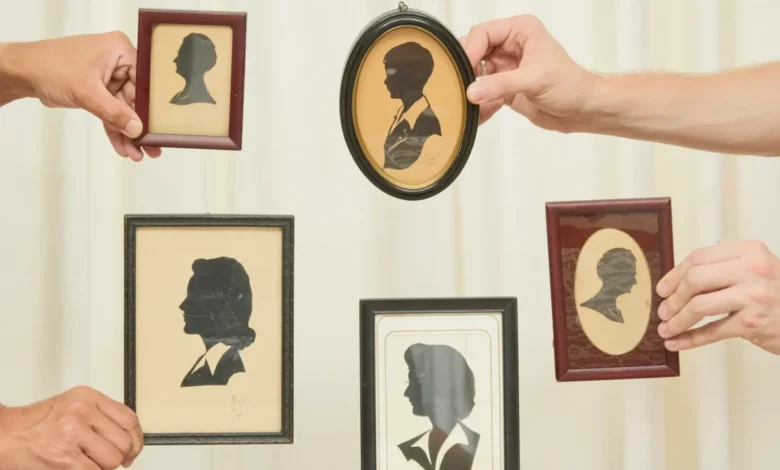
The modern fashion landscape is undergoing a profound structural evolution as luxury houses and independent designers alike pivot from treating vintage solely as a source of creative inspiration to integrating it as a core pillar of their commercial business models. While the practice of mixing contemporary high-fashion garments with pre-owned accessories has long been a staple of individualistic style, the industry is witnessing a formalization of this trend. Today, brands are leveraging vintage apparel, home goods, and accessories not just as stylistic accents in runway shows, but as revenue-generating inventory and essential components of their long-term marketing and product development strategies.
The Evolution of the Vintage Aesthetic in Runway and Retail
This season’s New York Fashion Week (NYFW) served as a microcosm for this broader industry shift. Designers are increasingly eschewing the traditional reliance on entirely new, mass-produced seasonal collections in favor of a hybrid approach. Conner Ives, for instance, has gained critical acclaim for his ability to seamlessly integrate upcycled deadstock textiles with vintage furs and found garments. By doing so, Ives is not merely making a sustainability statement; he is building a brand identity that values the history and texture of pre-existing materials.
Similarly, the design duo behind Tanner Fletcher, Tanner Richie and Fletcher Kasell, have institutionalized the "vintage lifestyle" aesthetic. Their recent showcase was not merely a display of current-season apparel, but an immersive environment decorated with antique furnishings and curated vintage garments sourced by the designers themselves. This move signifies a departure from the sterile, minimalist runways of the previous decade toward a more narrative-driven, eclectic retail experience that resonates with a consumer base increasingly disillusioned by the fast-fashion cycle.
A Chronology of the Secondhand Surge
The integration of vintage into the mainstream luxury and contemporary retail sectors did not occur in a vacuum. The trajectory of this trend can be traced through several key phases:
- The Pre-2015 Era (Inspiration Phase): Vintage was largely confined to design studios. Creative directors would scour global flea markets and archival houses to build "inspiration boards." These items were rarely seen by the public and were considered trade secrets.
- 2016–2019 (The Digital Resale Explosion): The rise of peer-to-peer marketplaces such as Depop, Vinted, and The RealReal normalized the concept of secondhand shopping. This period saw the "fashionista" identity become inextricably linked with the ability to curate a look consisting of both contemporary designer pieces and unique, pre-owned finds.
- 2020–2022 (The Sustainability Mandate): The COVID-19 pandemic accelerated consumer interest in circularity. As supply chains faltered, brands began looking for ways to maintain momentum, leading to initial experiments in in-store vintage curation.
- 2023–Present (The Commercialization Phase): We are currently in the era of full integration. Brands are now hiring dedicated "vintage sourcing" teams, building vintage sections on their official e-commerce platforms, and using pre-owned items as a litmus test for new product development.
Data-Driven Growth and Market Projections
The shift toward vintage is not merely a stylistic preference; it is a calculated response to shifting economic and environmental pressures. According to recent industry analysis by ThredUp, the secondhand clothing market is projected to experience a meteoric rise. In 2026 alone, global sales of secondhand fashion are forecast to surge by over 12%, reaching a valuation of approximately $290 billion.
Experts anticipate that the secondhand sector will grow at a rate twice as fast as the primary market over the next five years. This acceleration is being fueled by advanced AI-driven search tools that make finding specific vintage items easier, as well as a growing consumer awareness of the environmental impact of textile waste. By offering vintage items, brands can tap into this high-growth sector, effectively capturing the customer who would otherwise spend their budget on independent resale platforms.
Strategic Implications for Retail Operations
One of the most significant advantages for brands incorporating vintage is the ability to maintain a diverse price point without eroding brand equity. By positioning a high-end, $700 contemporary skirt next to a $65 vintage brass frame or a $40 vintage book, a retailer creates a holistic "lifestyle" brand. This strategy allows the consumer to walk away with a purchase even if they are not prepared to invest in the premium-priced new collection.
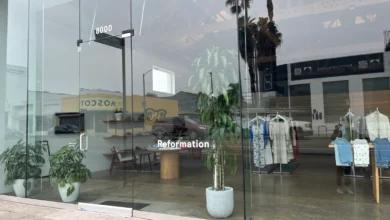
Buck Mason stands as a prime example of this operational model. Their in-house vintage team is tasked with sourcing inventory that complements their core aesthetic. This has evolved beyond simple merchandising; the brand now utilizes its vintage sales data as a market research tool. For instance, the consistent sell-through of vintage denim and bandanas provided the brand with clear evidence of consumer demand, directly informing their decision to launch their own in-house lines of these products. This strategy minimizes the risk associated with introducing new categories, as the brand already possesses a captive audience that has demonstrated a preference for those styles.
Marketing and the "Future Vintage" Philosophy
Brands are also using vintage as a powerful tool for storytelling. Frances Valentine’s "Mission Vintage" content series represents the next frontier of fashion marketing. By documenting CEO and designer Elyce Arons as she travels the country to hunt for vintage treasures, the brand is humanizing the design process and inviting the consumer into the "creative kitchen."
This transparency serves two purposes: it validates the brand’s aesthetic roots and builds an emotional connection with the consumer. As Arons notes, the goal is not just to find clothes, but to capture the essence of how those pieces inspire the silhouettes and material choices of the brand’s future collections.
This leads to the concept of "future vintage"—the idea that a modern piece of clothing should be constructed with enough quality and intentional design that it, too, will be a collector’s item decades from now. Rachel Wilder of Buck Mason emphasizes that this philosophy is central to their design process. By treating current inventory as future heritage, brands are signaling a commitment to longevity that contrasts sharply with the "disposable" nature of fast fashion.
Challenges and Future Outlook
Despite the clear benefits, the transition to a vintage-inclusive business model is not without its hurdles. The most significant challenge is scalability. Unlike mass-produced garments, vintage items are singular; sourcing enough high-quality, authentic items to stock a nationwide retail chain requires specialized talent and a robust logistics network.
Furthermore, the brand must ensure that the vintage selection does not become a distraction from the primary business. As Tanner Fletcher’s Fletcher Kasell observed, the success of the vintage category is dependent on how well it complements the brand’s own identity. "We already want our clothes to feel like vintage pieces," Kasell stated. This synergy is essential. If the vintage selection feels like a disjointed add-on, it risks confusing the consumer and diluting the brand’s specific point of view.
Looking ahead, the line between "new" and "old" will continue to blur. As artificial intelligence and big data become more integrated into supply chain management, brands will likely be able to forecast trends and source vintage items with greater precision. We can expect to see more "curated drops" where brands release limited-edition, refurbished, or upcycled collections alongside their primary seasonal offerings.
The resurgence of vintage is not a passing fad but a structural correction in the fashion industry. It reflects a more mature, thoughtful consumer who values provenance, uniqueness, and longevity. By embracing this shift, fashion brands are not just adapting to the market—they are redefining the very concept of value in an era defined by excess. For the modern designer, the future is increasingly found in the past.