Blundstone Enters a New Era of Growth Driven by Experiential Retail, Organic Community Engagement, and Technical Innovation


The 156-year-old Tasmanian heritage footwear brand Blundstone is experiencing a transformative chapter in its long history, marked by a robust surge in global sales, strategic physical retail expansions, and forward-thinking product diversification. Founded in 1870 on the rugged island of Tasmania, Australia, the company has quietly evolved from a regional workwear staple into an international lifestyle phenomenon. According to Chief Growth Officer Kris Hall, the brand’s upward trajectory is not the result of aggressive, intrusive marketing, but rather a testament to organic consumer discovery and deep-rooted community loyalty.
As the brand approaches an impressive milestone of 4 million annual pairs sold globally—up significantly from 3 million pairs just two years prior—executive leadership is intentionally balancing rapid international expansion with a steadfast commitment to the core heritage that built the brand. This measured approach encompasses everything from the strategic rollout of mono-brand brick-and-mortar storefronts across major international capitals to the introduction of innovative, weather-specific seasonal collections designed to appeal to both lifelong enthusiasts and a new generation of urban explorers.
The Organic Marketing Formula and Rising Sales Figures
In an era dominated by hyper-targeted digital advertising, algorithms, and performance-driven customer acquisition funnels, Blundstone relies on a remarkably organic philosophy. Kris Hall describes the brand as a "marketer’s dream," largely because of its intrinsic discoverability. Rather than forcing products into consumers’ feeds through heavy-handed promotional campaigns, Blundstone integrates itself seamlessly into cultural, outdoor, and urban communities by simply being available, reliable, and authentic.
This organic strategy has manifested in tangible financial growth and soaring volume metrics. Moving from 3 million pairs to nearly 4 million pairs sold annually in a span of just 24 months underscores a steady, compounding demand. Industry analysts note that this type of consumer-led momentum is remarkably resilient against broader retail volatility, as purchases are driven by word-of-mouth endorsement and proven product longevity rather than fleeting seasonal trends.

Blundstone’s global footprint currently spans six continents, reaching consumers in over 70 countries through an extensive wholesale network comprising more than 10,000 retail partner doors worldwide. However, despite this massive global distribution, the brand is exercising cautious deliberation. Hall emphasizes that wholesale expansion requires meticulous planning, keeping a close eye on retail nuances, market shifts, and economic fluctuations to ensure that retail partners remain healthy and well-positioned.
Expanding the Physical Footprint Through Experiential Retail
While wholesale partnerships remain the bedrock of its global distribution, Blundstone is making a definitive, high-visibility push into owned physical retail. Since launching its inaugural mono-brand retail store in 2019, the company has steadily increased its investments in direct-to-consumer real estate.
This year, Blundstone is expanding its mono-brand retail network from six locations to nine, representing a notable 50 percent increase in its global store footprint. The expansion includes strategically chosen cultural hubs: a new storefront in Rome, Italy, alongside domestic additions in Portland, Oregon, and Chicago, Illinois. These locations were carefully selected for their alignment with the brand’s core demographics—consumers who value outdoor accessibility, craftsmanship, and functional design.
The rationale behind this retail push is deeply rooted in the sensory nature of the product. Blundstone boots are defined by their premium leather construction, tactile finishes, and artisanal durability—qualities that cannot be fully replicated through a two-dimensional digital screen. By creating immersive, in-real-life retail spaces, the company is able to foster direct connections with its consumer base, offering an experiential environment that echoes the brand’s rugged Tasmanian origins. These brick-and-mortar locations serve not merely as points of sale, but as physical manifestos for the lifestyle the brand represents.
Product Diversification: From Seasonal Warm-Weather Styles to Technical Innovations

Historically recognized for its iconic, pull-on elastic-sided leather chelsea boots built to withstand the harshest elements, Blundstone has dramatically broadened its product catalog in recent years to capture new usage occasions and weather conditions.
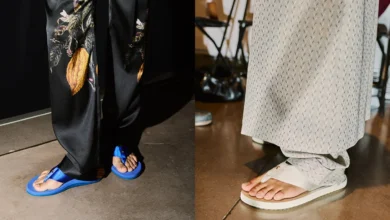
In March, the brand crossed a major historical threshold by introducing its first-ever spring and summer collection, anchored by the debut of the Aerocork Series. Designed explicitly for warmer weather, the Aerocork line introduced a streamlined wedge-style midsole, offering a lighter, more breathable profile. The collection successfully integrated a clog, a traditional sandal, and a lightweight variation of Blundstone’s signature silhouette. Building on this initial market validation, the company has confirmed plans to expand the Aerocork lineup with additional styles and a wider array of colorways.
Concurrently, Blundstone has updated its cold-weather and transitional offerings with the launch of the Terrain Series for the fall season. The Terrain Series represents a technical evolution of the brand’s classic Gecko sole. By incorporating an Avalon Gecko thermoplastic polyurethane (TPU) outsole, the new collection provides advanced traction, enhanced slip resistance, and superior lightweight wearability without sacrificing the rugged integrity that customers expect.
Hall notes that while the Terrain Series pushes the technological envelope, it remains true to the visual DNA of the brand. The objective is to introduce enough newness to excite existing brand loyalists and attract technical-gear enthusiasts, while preserving the timeless aesthetic that has defined Blundstone for over a century and a half.
Remaining True to Roots Amid Global Scaling
As Blundstone charts its course for the future, executive leadership faces the classic corporate challenge of scaling up operations while maintaining the soul of a heritage enterprise. According to Hall, the corporate strategy centers on deliberate restraint and unwavering fidelity to foundational principles.

The company is committing significant financial and human resources to ensure that rapid global growth does not dilute brand identity. This involves making foundational structural decisions about what the brand wants to project in the coming decades, ensuring that every new market entry, store opening, and product line aligns with the core values of durability, comfort, and unpretentious utility.
Industry observers note that heritage brands attempting to pivot into modern lifestyle categories frequently risk alienating their core consumer base by chasing fleeting trends. Blundstone’s deliberate methodology—relying on organic community engagement, careful wholesale management, selective experiential retail expansion, and evolutionary product updates—serves as a compelling case study in sustainable brand stewardship.
With the groundwork securely laid and international demand continuing to accelerate, Blundstone stands at an advantageous crossroads. By honoring its 156-year-old Tasmanian heritage while thoughtfully innovating for the modern consumer, the company is proving that true longevity is achieved not by chasing the market, but by inviting the market to discover you.