Nike Prepares to Revive Iconic Flyknit Technology with the Budget-Friendly Flyknit Runner Set for Spring 2027

Amid ongoing industry discourse concerning Nike’s strategic focus on innovation versus nostalgia, the Beaverton, Oregon-based athletic footwear giant is preparing to reintroduce one of its most celebrated technological platforms. The upcoming release of the Nike Flyknit Runner, projected to debut in the spring of 2027, marks a significant moment for the brand as it bridges the gap between its storied heritage and modern, value-driven market demands.
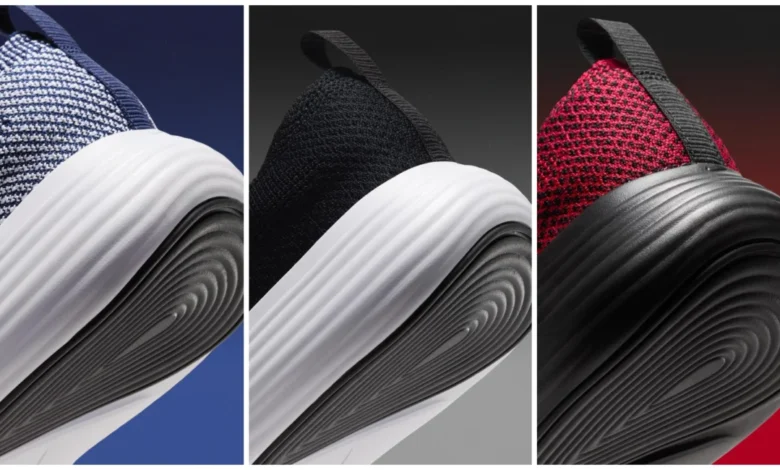
Official e-commerce imagery for three upcoming colorways of the Flyknit Runner has recently surfaced, following initial leaks provided earlier this year by overseas footwear outlet Sneaker Market Romania. The newly revealed makeup options indicate that Nike is positioning the model as a versatile lifestyle shoe, combining signature textile engineering with an accessible price point designed to appeal to everyday consumers.
Detailed Colorway Lineup and Specifications
The initial rollout of the Nike Flyknit Runner will feature three distinct colorways, each paired with specific style codes to facilitate inventory tracking across global retail channels. The confirmed configurations include:
- Midnight Navy/White/Thunder Blue/Black (Style Code: IV5703-401)
- University Red/Black (Style Code: IV5703-600)
- Black/White/Black (Style Code: IV5703-003)
Design-wise, each iteration showcases a fully engineered, form-fitting knitted upper resting atop a ribbed foam midsole. While comprehensive technical specifications have not yet been formally published by Nike, industry analysts and early product previews have allowed for a clearer understanding of the sneaker’s structural makeup, particularly regarding its cushioning system.
The most notable indicator of the shoe’s internal architecture is its anticipated retail price. Set at $95, the Flyknit Runner sits considerably lower than contemporary flagship performance and lifestyle releases from the brand, which frequently cross the $150 to $200 threshold. This aggressive pricing strategy alludes to the omission of Nike’s proprietary, high-end cushioning innovations—such as ZoomX, SkyX, ReactX, or Cushlon 3.0—which are typically reserved for premium performance tiers. Instead, industry observers anticipate the integration of more economical cushioning setups, potentially utilizing proprietary foundational foams like ComfiRide to maintain comfort while preserving a lower cost of production and retail distribution.
A Historical Retrospective: The Genesis and Evolution of Flyknit
To understand the significance of the Flyknit Runner’s impending arrival, it is essential to examine the history of Flyknit technology. First introduced to the global market in 2012, Nike’s Flyknit engineering represented a paradigm shift in footwear manufacturing. Developed over four years by teams of programmers, engineers, and designers, the technology was engineered to create a featherlight, form-fitting upper with zero waste, mimicking the feel of a second skin.
The debut of Flyknit coincided with a masterclass in sports marketing. At the 2012 Summer Olympic Games in London, elite athletes representing Nike stood atop the medal podium wearing brilliantly colored iterations of the Flyknit Trainer and Flyknit Racer. This high-profile global debut instantly cemented the technology in the cultural consciousness of both elite athletes and sneaker enthusiasts.

Following its initial success, the Flyknit franchise expanded rapidly across multiple sport categories. The technology transitioned from running models into lifestyle crossovers, lifestyle-performance hybrids, and team sports. Notable historical silhouettes included:
- The Flyknit Racer and Flyknit Trainer: The foundational running shoes that established the aesthetic template for lightweight knitted footwear.
- The Lunar Flyknit Chukka and Flyknit Lunar 1: Models that successfully merged technical knitted uppers with Lunarlon cushioning platforms, driving adoption in streetwear culture.
- The Free Flyknit: A hybrid model pairing adaptive uppers with Nike’s flexible Free sole units.
- Performance Basketball Adaptations: The integration of Flyknit into high-performance court shoes, most notably featured within the signature footwear lines of NBA icons LeBron James and Kobe Bryant.
Despite its ubiquity throughout the 2010s, the prominence of Flyknit gradually receded as consumer trends shifted toward chunky silhouettes, traditional leather builds, and alternative cushioning technologies. The decision by Nike to revive the platform through an accessible, lifestyle-oriented model like the Flyknit Runner signals a strategic effort to mine its own archives for consumer favorites that can be adapted for modern, value-conscious buyers.
Market Implications and Strategic Positioning
The introduction of the Flyknit Runner arrives at a critical juncture for Nike. In recent quarters, the athletic brand has faced public scrutiny and financial pressures regarding its pace of product innovation and an over-reliance on legacy models such as the Air Force 1, Dunk, and Air Jordan 1. Critics and market analysts have argued that while heritage silhouettes remain foundational to the company’s revenue, a lack of fresh, disruptive technological storytelling has slowed momentum in key performance and lifestyle categories.
By pricing the Flyknit Runner at $95, Nike is directly addressing a growing segment of the footwear market that prioritizes everyday utility, comfort, and affordability over collector hype and premium price tags. In recent years, macroeconomic pressures have led consumers to become increasingly selective with discretionary purchases. Footwear brands across the industry have had to recalibrate their product pipelines to offer compelling entry-level options without sacrificing brand equity.
Furthermore, reviving Flyknit technology allows Nike to leverage a proven intellectual property asset that requires minimal consumer education. Because millions of consumers are already familiar with the breathable, lightweight benefits of a knitted upper, marketing campaigns for the Flyknit Runner can focus on comfort, versatility, and modern styling.
Chronology of the Flyknit Runner Rollout
- June 2026: Overseas footwear outlet Sneaker Market Romania provides the first early preview and digital renders of the upcoming Nike Flyknit Runner.
- November 2026: Official Nike e-commerce imagery leaks for three initial colorways—Midnight Navy, University Red, and Black—alongside style codes and confirmation of the $95 retail price point.
- Spring 2027 (Projected): Official commercial launch and retail availability of the Nike Flyknit Runner across global stockists and Nike digital platforms.
Outlook and Future Expectations
As the spring 2027 release window approaches, industry watchers will be monitoring whether the Flyknit Runner serves as a standalone release or the vanguard of a broader revival of Nike’s knitted footwear catalog. If consumer reception to the $95 price point and accessible design proves positive, it could pave the way for additional value-oriented iterations of classic technologies.
Ultimately, the Nike Flyknit Runner represents a calculated blend of nostalgia and pragmatism. By dusting off a beloved engineering marvel and tailoring it for the modern, budget-conscious consumer, Nike aims to demonstrate that its historical innovations still hold significant commercial viability in an evolving global marketplace.