The Evolution of Global Fashion and Lifestyle Trends Heading into 2027

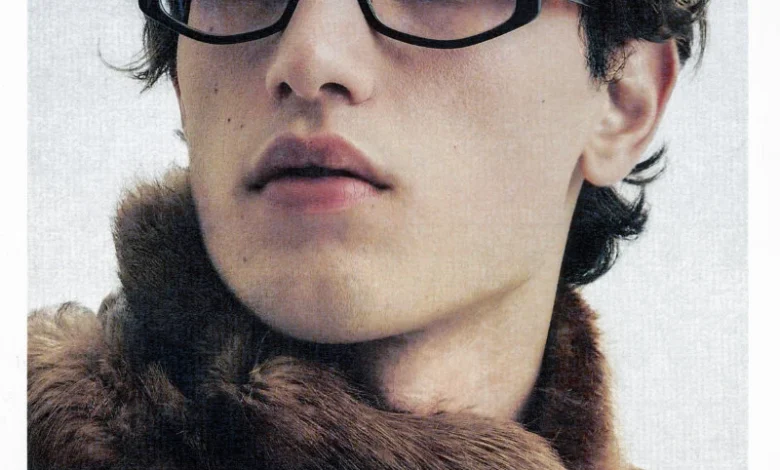
The global fashion landscape as we move into the 2027 season is defined by a dichotomy between high-concept storytelling and the pragmatism of archival revivals. From the academic corridors of Geneva to the industrial laboratories of major luxury houses, designers are increasingly looking toward the intersection of memory, heritage, and the avant-garde. This shift is marked by a departure from purely trend-driven cycles toward collections that prioritize narrative depth, technological innovation, and a reimagining of classic silhouettes.

Academic Influence and Sartorial Rebellion
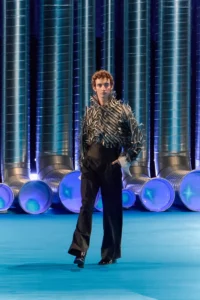
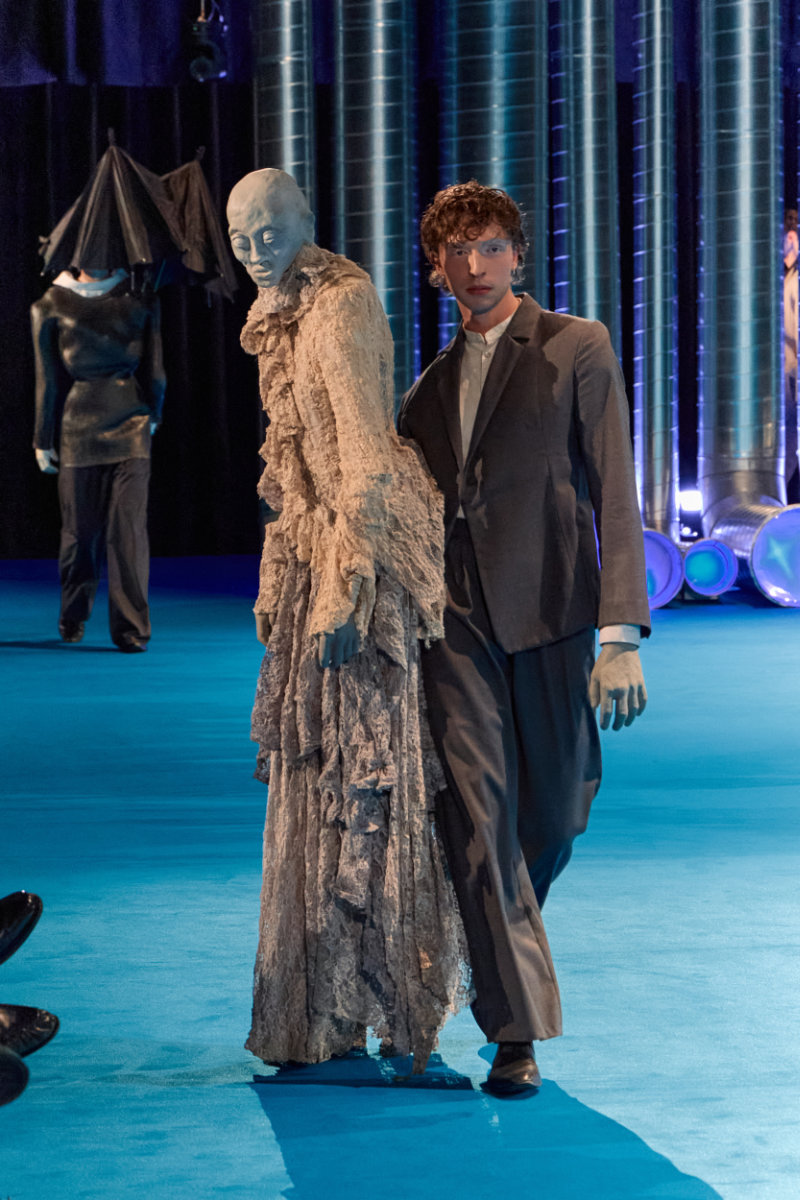
The recent menswear graduate showcase at la HEAD in Geneva served as a potent bellwether for the upcoming year. The collections presented by the 2026 cohort demonstrated a departure from conventional tailoring, opting instead for a "sartorial rebellion." Students explored the limits of materiality, utilizing unconventional elements—such as repurposed automotive safety belts—to deconstruct traditional masculinity. This trend of upcycling and material experimentation is not merely an aesthetic choice but a necessary response to the tightening of sustainability regulations in the European textile sector. By utilizing industrial waste, these designers are setting a new standard for how the next generation of creative directors will approach supply chain ethics.
The Resurgence of Narrative-Driven Collections
Beyond the academic sphere, established labels are grounding their seasonal offerings in myth and personal history. HARDCLO’s Fall/Winter 2027 collection, titled "La Chimère," exemplifies this shift. By drawing inspiration from the Athenian landscape and the philosophical concept of the "unattainable," the brand has transitioned from producing apparel to creating immersive cultural experiences. This methodology mirrors a broader movement in the industry: the transition from the "it-item" focus to the "world-building" model.
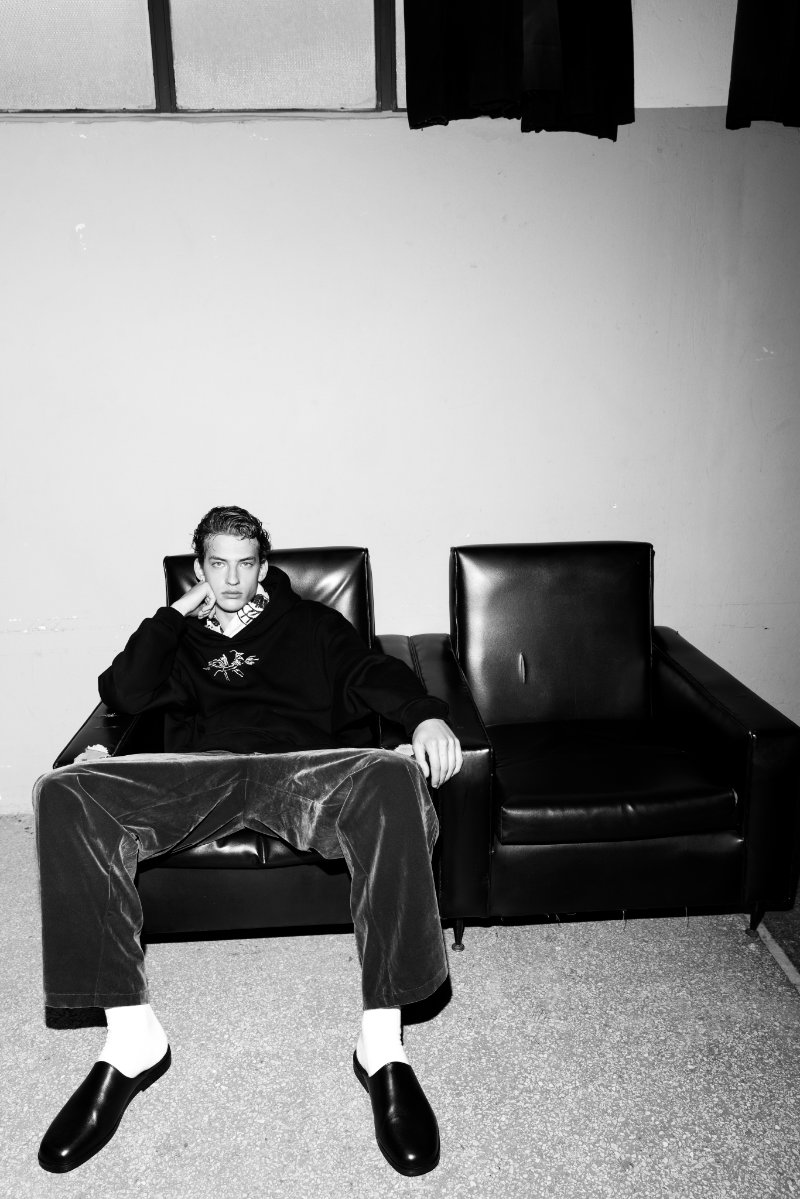
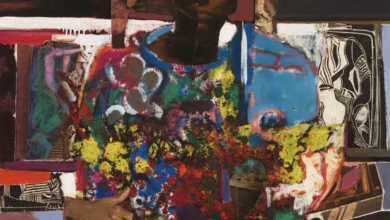
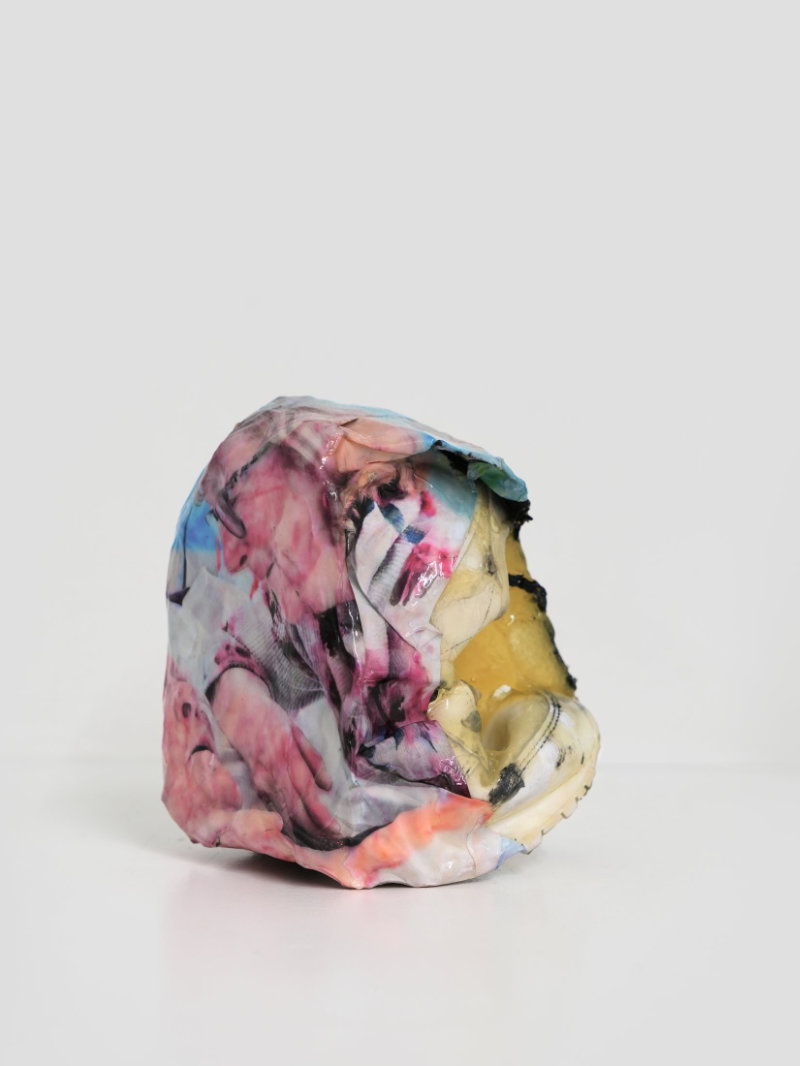
This is further reflected in the art world, where figures like British artist Richie Culver are blurring the lines between fashion and fine art. His latest project, "The Persistence of Things," investigates the mechanics of memory loss and the subculture of clubbing. By elevating everyday objects into pieces of conceptual art, Culver challenges the consumer to consider the lifecycle and emotional weight of the items they wear and own. This trend is likely to influence retail environments in 2027, where "memory-based" marketing will replace traditional advertising.

Collaborative Innovation and Footwear Dominance
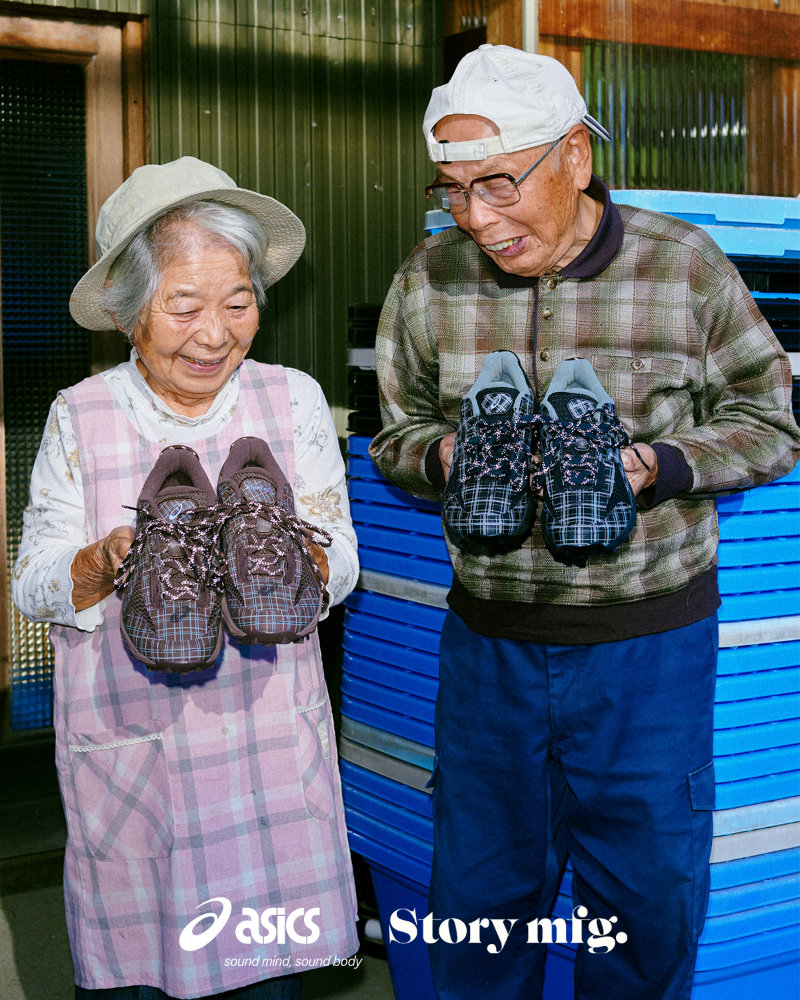
The footwear sector continues to act as the primary engine of growth for the fashion industry, with collaborative releases serving as the most effective vehicle for market expansion. The recent collaboration between HOKA and MARNI for the Clifton 11 silhouette highlights the successful marriage of high-performance technical design with high-fashion artistic sensibilities. Similarly, the partnership between Story mfg. and ASICS on the GEL-TRANSCEND FJ demonstrates the industry’s pivot toward the "rambling" and outdoor-lifestyle aesthetic, which has seen a 15% increase in consumer interest over the last four quarters.
Technical innovation remains at the forefront, as evidenced by Marine Serre’s introduction of the MS Rise III. By integrating recycled rubber soles with signature moon-motif branding, Serre is capitalizing on the "sport-retro" trend that currently dominates the urban fashion scene. This move is mirrored by industry titans like Nike, whose partnership with Carhartt WIP continues to prove that workwear-inspired apparel remains a foundational pillar of the global market. Furthermore, the collaboration between Nike ACG and Helinox marks a strategic entry into the "ultralight outdoor" space, suggesting that luxury brands are increasingly viewing camping and wilderness gear as essential components of the modern wardrobe.
The Holiday 2026/2027 Retail Strategy
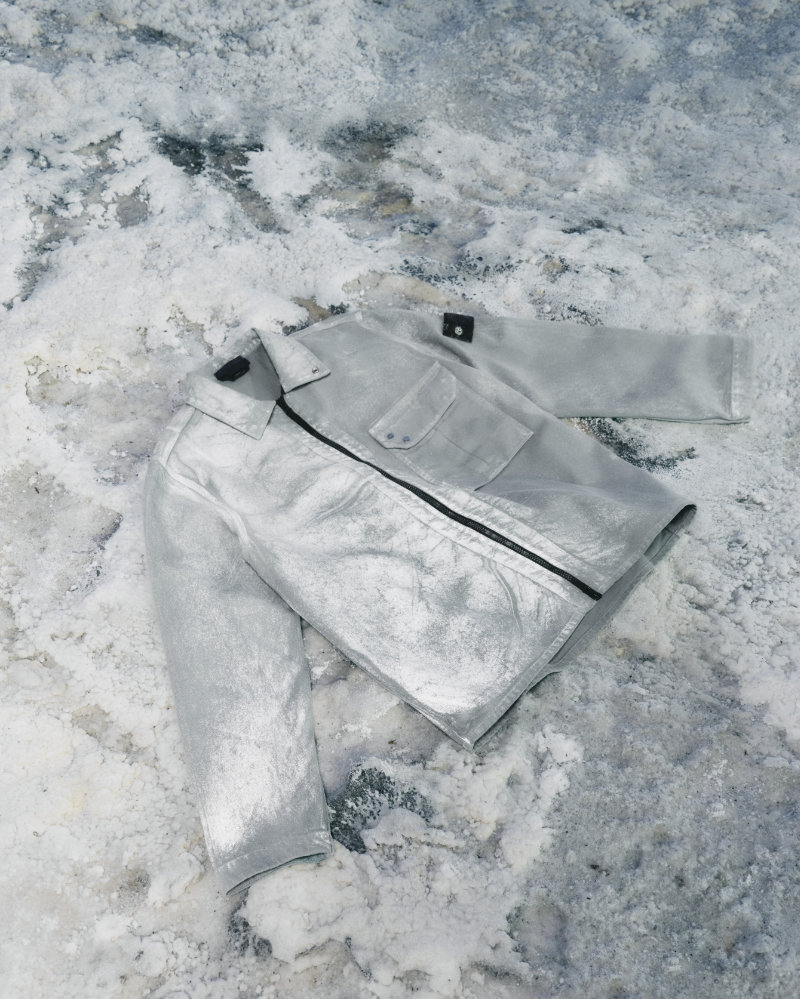
As the calendar turns toward the new year, the retail strategies of major houses have shifted toward curated, experience-based gifting. Stone Island’s latest holiday campaign, set within a Sicilian salt mine, utilizes the stark, industrial beauty of the location to emphasize the technical prowess of their "Ice Knit" technology. This visual storytelling approach is designed to reinforce the brand’s status as a leader in textile innovation.
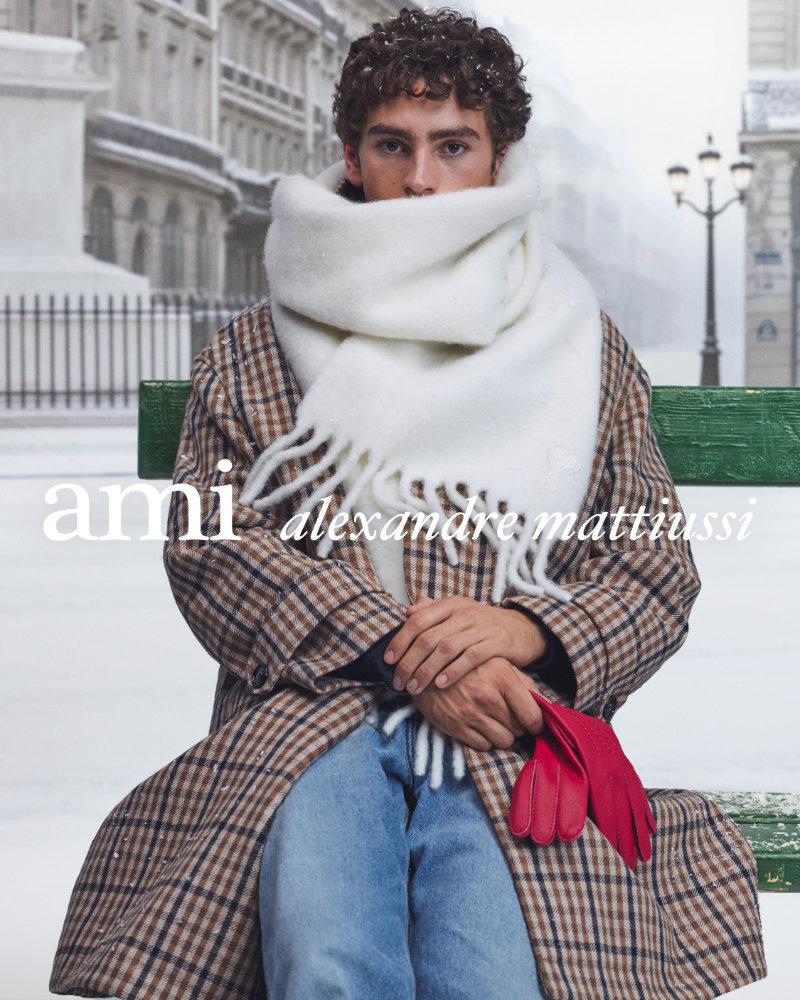
Simultaneously, AMI Paris has leaned into the "cozy luxury" aesthetic with its Ami d’Hiver campaign, focusing on the quintessential Parisian lifestyle. This reflects a wider industry pivot toward "emotional commerce," where brands attempt to sell a feeling or a specific winter atmosphere rather than individual garments. This strategy is mirrored by LOEWE’s imaginative collaboration with the estate of Tim Burton for The Nightmare Before Christmas. By synthesizing pop-culture nostalgia with high-end craftsmanship—including character-inspired candles and limited-edition fragrance—LOEWE is effectively capturing both the Gen Z and Millennial demographic, who increasingly value cross-media intellectual property.

Fragrance and Beauty as Brand Extensions
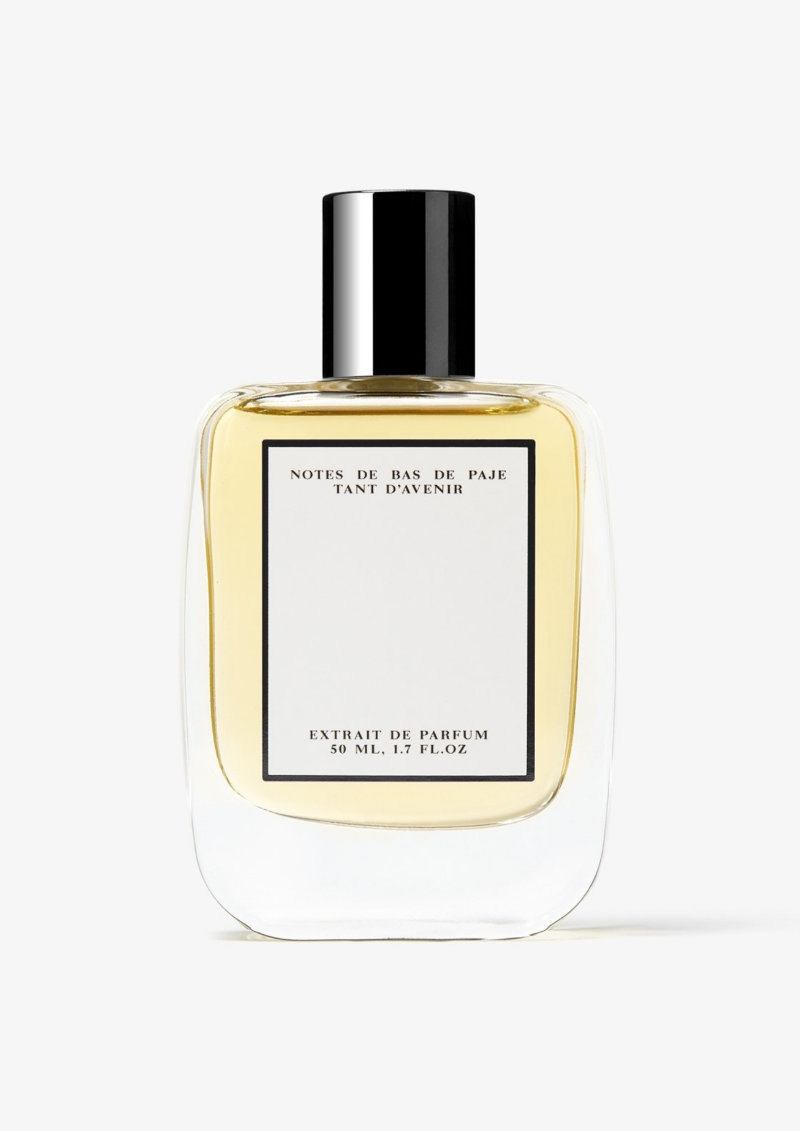
The diversification of luxury revenue streams is nowhere more apparent than in the fragrance sector. SMTHELSE’s launch of the Famara hair perfume, inspired by the landscapes of Lanzarote, represents a growing demand for niche, scent-based storytelling. By extending a signature fragrance into a hair-specific format, the brand is targeting the high-growth "self-care" market.
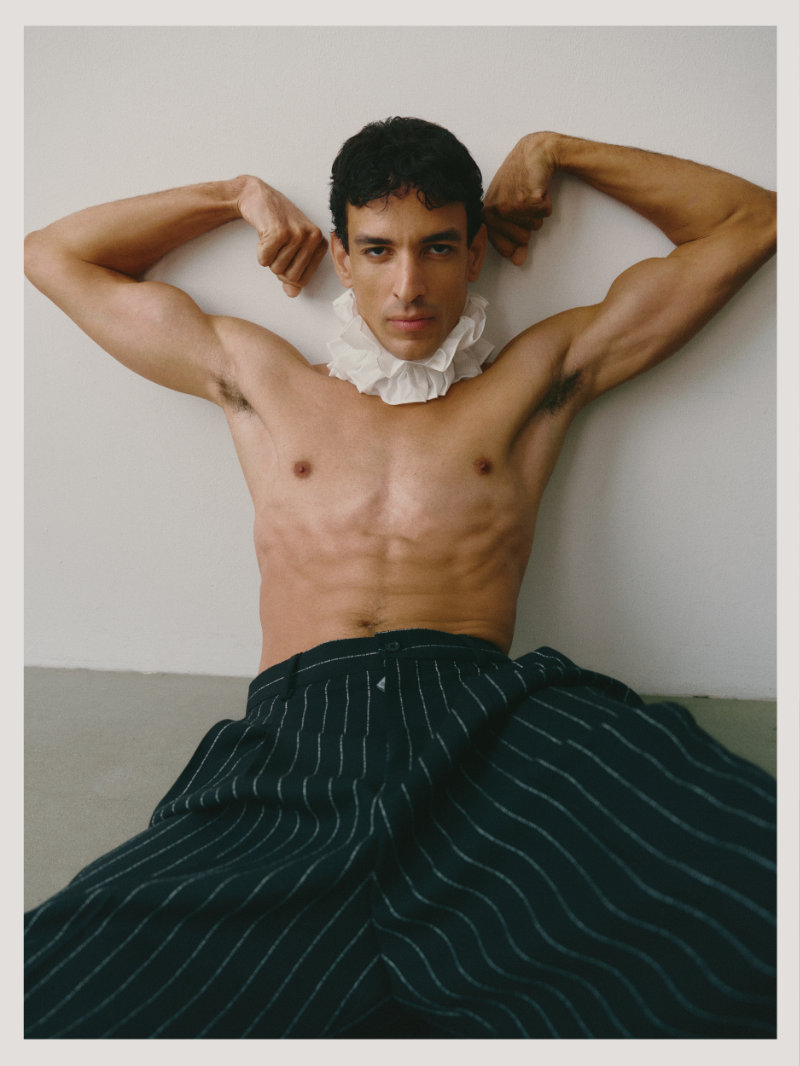
Similarly, Bershka’s recent overhaul of its men’s fragrance collection—which now spans three distinct olfactory universes: Fresh, Oriental, and Gourmand—signals a democratized approach to luxury scents. The expansion into nine new Eau de Parfum offerings suggests that retailers are betting on the "fragrance wardrobe" trend, where consumers are encouraged to rotate their scent based on mood and occasion, much like their clothing.
Future Implications: The Martine Rose Effect
The most significant long-term discussion in the industry currently centers on the potential influence of designers like Martine Rose on legacy houses such as Balenciaga. As the industry moves away from the shock-value tactics that defined the early 2020s, there is a clear demand for a more grounded, reconsidered approach to luxury. Analysts suggest that the future of fashion lies not in the radical disruption of the norm, but in the intelligent, nuanced evolution of what we already understand.
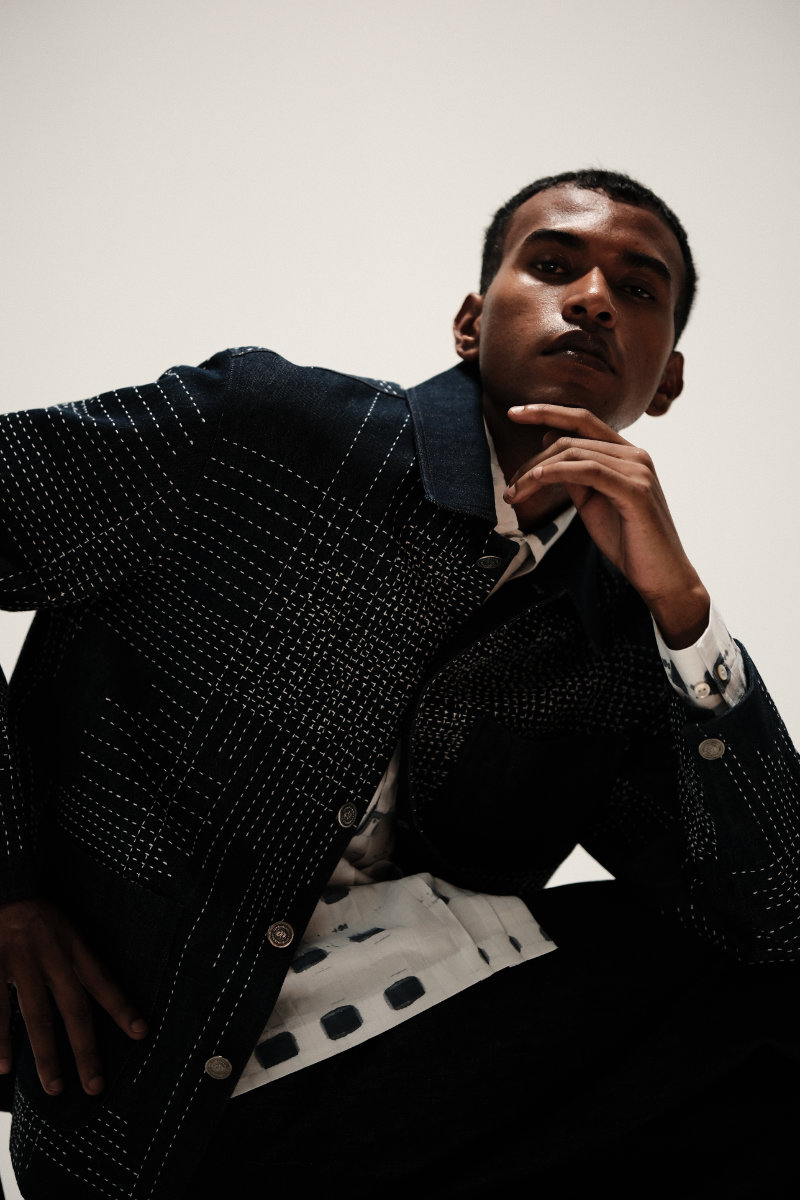
If designers can successfully translate the grit and authenticity of underground culture into the high-luxury market, the industry will likely see a period of stabilization and intellectual growth. The current preoccupation with memory, archives, and regional folklore—seen in everything from Countrymade’s SS27 "Material Memory" collection to Bottega Veneta’s They Dance Too campaign—points to a collective desire for permanence in a rapidly changing world.
Summary of Market Drivers for 2027
- Sustainability as Standard: The use of upcycled, industrial-grade materials is no longer an outlier but a requisite for relevance in graduate and emerging design spaces.
- The "Outdoor" Integration: Performance-based footwear and equipment brands (HOKA, ASICS, Helinox) are effectively merging with luxury houses, creating a hybrid market segment that prioritizes utility.
- Intellectual Property and Nostalgia: Collaborations that leverage established cinema and pop-culture icons (e.g., LOEWE x Tim Burton) are providing a necessary bridge to younger consumers.
- Sensory Retail: The expansion of fashion brands into the beauty and fragrance space (Bershka, SMTHELSE) is a key strategy for increasing "touchpoint" frequency with the consumer.
As we look toward the upcoming season, the fashion industry appears to be moving into a cycle of introspection. By balancing the technical demands of the future with the emotional weight of the past, global designers are positioning themselves to meet the complex needs of a consumer base that is increasingly savvy, sustainability-conscious, and narrative-driven. Whether through the lens of a student in Geneva or the campaign of a legacy house in Paris, the message for 2027 is clear: the most successful brands will be those that tell a story worth remembering.