Beyond functionality: How repair forces us to slow down and cherish our clothing.

In the contemporary landscape of the global fashion industry, the prevailing model of consumption remains heavily rooted in linear extraction, rapid production, and accelerated disposal. However, a growing movement of researchers and creative practitioners is challenging this paradigm by reframing the act of mending not merely as a chore, but as a vital component of sustainable fashion literacy. Dr. Julia English, a lecturer in Fashion Design at Swinburne University and an award-winning researcher, stands at the forefront of this shift, advocating for a transition from disposable consumerism to a culture of long-term garment stewardship.
The Rise of the Repair Movement in Australia
The push toward clothing repair in Australia has gained significant momentum over the past five years, coinciding with heightened public awareness regarding textile waste. According to data from the Australian Fashion Council, the nation consumes approximately 148,000 tonnes of new clothing annually, with a substantial portion of these textiles ending up in landfill within a few years of purchase.
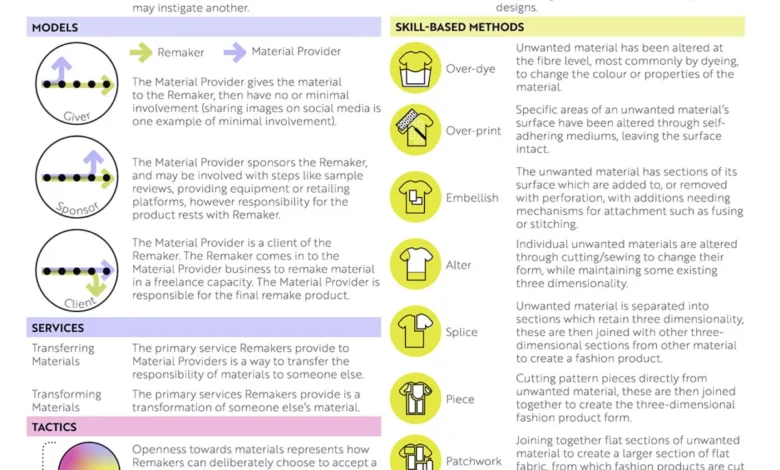
This crisis has prompted academic institutions and independent designers to investigate how consumers interact with their wardrobes. Dr. English’s research, particularly her work on "Designing Collaborations to Remake Waste," serves as a blueprint for how businesses can integrate circular economy principles into their operations. The focus is twofold: reducing the influx of new materials through repair and extending the lifecycle of existing garments through professional and domestic intervention.
Defining the Nuance: Repair vs. Remake
One of the central contributions of Dr. English’s work is the formal distinction between "repair" and "remake." In her academic framework, repair is defined as the restoration of a garment to its original design intent. This includes fixing broken seams, replacing missing buttons, or patching tears to ensure the item remains wearable in its initial form.
Conversely, "remake" constitutes a new design proposition. This process involves altering the form or function of an object, such as "splicing" two garments together to create a new silhouette or using textile extraction techniques to transform discarded fabric into a different garment entirely. For Dr. English, the distinction is critical for both designers and consumers. While repair preserves the history of an object, remaking serves as a creative evolution of materials that might otherwise be discarded.
A Chronology of Engagement
The integration of repair into the mainstream fashion discourse has been a slow but steady process. In the late 2010s, the emergence of "Repair Cafés" across Australia provided physical hubs for community-led mending. These initiatives were initially localized, but they gained significant traction during the pandemic-induced lockdowns of 2020–2021, when supply chain disruptions forced consumers to confront the limitations of globalized retail.
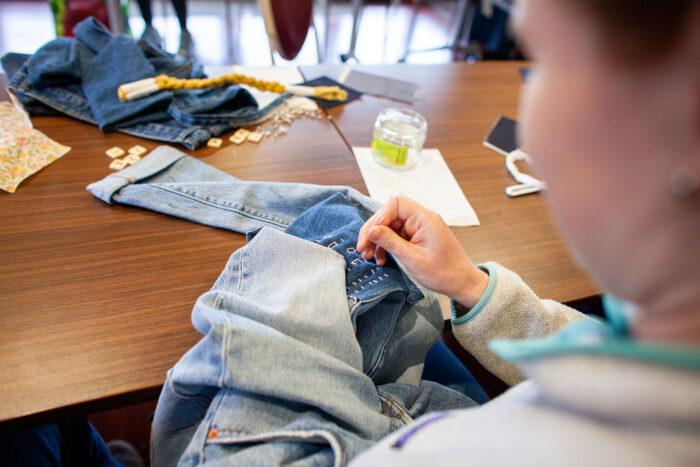
Following this, collaborative projects such as the RMIT PlaceLab "Wear & Care" project provided empirical evidence of the economic and environmental benefits of repair. Interviews conducted with secondhand retailers in Melbourne’s Brunswick district revealed a notable finding: garments with minor faults, such as missing buttons or loose hems, were frequently relegated to the "unsellable" pile. This research underscored a practical, high-impact intervention: by equipping the public with basic sewing skills, the value of secondhand inventory increases, preventing thousands of items from entering the waste stream prematurely.
The Psychological Impact of Mending
Beyond the environmental metrics, there is a profound psychological dimension to the act of repair. Dr. English posits that repair necessitates a deceleration of pace, forcing the individual to engage in a meditative, manual process. This "slow fashion" approach contrasts sharply with the "instant gratification" model of e-commerce.
"The lovely thing with repair is that it makes us slow down," says Dr. English. "It is a space to cherish the clothing we have; it’s nourishing for yourself and it’s nourishing for your clothes."
This perspective is supported by behavioral studies in sustainable fashion, which suggest that the time and effort invested in mending a garment increase the user’s emotional attachment to that item. When a person spends an hour darning a pair of trousers or carefully sewing on a button, the garment ceases to be a disposable commodity and becomes a curated piece of personal history.
Bridging the Skills Gap
A major barrier to the adoption of repair culture is the perceived difficulty of sewing. Dr. English emphasizes that the barrier to entry is largely psychological. Simple, functional repairs—such as reattaching a button—do not require professional training, nor do they need to be aesthetically perfect to be effective.
To lower these barriers, she suggests a tiered approach:
- Functional Maintenance: Learning the basics of hand sewing to extend the life of essential items like denim or outerwear.
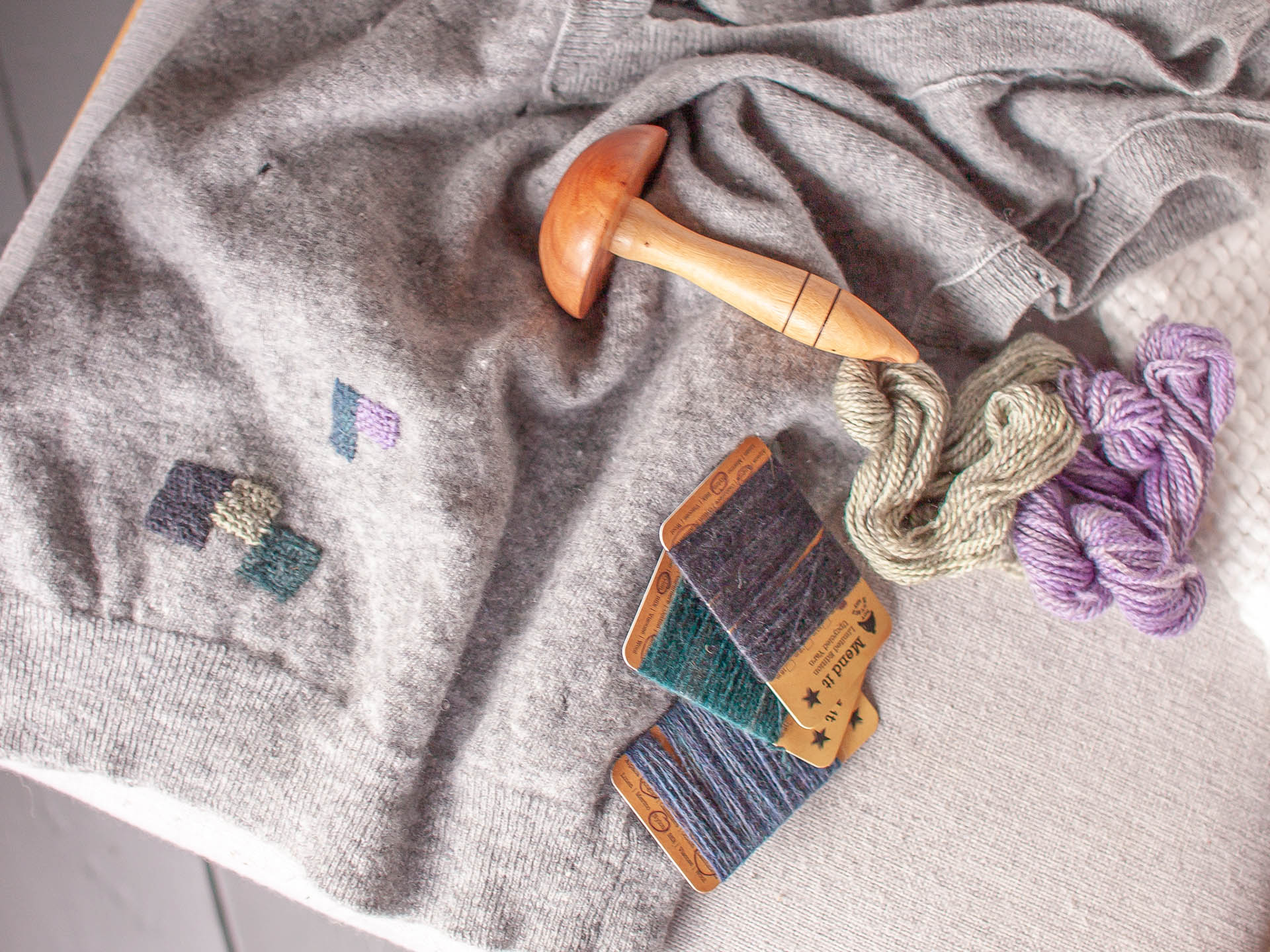
- Creative Modification: Using patches, embroidery, or iron-on decals as a form of self-expression rather than a chore.
- Skill Sharing: Utilizing community networks, such as local sewing circles or digital forums, to exchange knowledge.
Economic and Systemic Implications
Critics often point to the high cost of local labor as a deterrent to professional repair services in Australia. As Dr. English notes, when clothing is produced offshore at extremely low costs, the price of professional tailoring or mending can seem disproportionately high. This is where the democratization of repair skills becomes an economic imperative. By fostering a culture where individuals are capable of performing their own basic repairs, the reliance on high-cost professional services for minor fixes is reduced, and the lifespan of the garment is extended without significant financial burden.
Furthermore, the "remake" approach offers a viable business model for emerging designers. By utilizing deadstock or post-consumer textiles, designers can create unique, high-value products that avoid the environmental costs associated with virgin fabric production. Dr. English’s blueprint encourages businesses to view "waste" not as a liability, but as a raw material for innovation.
Looking Ahead: Normalizing the Culture of Care
The ultimate goal of the current repair movement is to shift the cultural narrative from "newness" to "longevity." This requires a systemic change in how consumers perceive value. If an item is purchased with the expectation that it will be repaired, the initial investment becomes more justifiable.
Dr. English argues that repair should not be viewed as a niche activity for enthusiasts, but as a foundational life skill. By integrating these practices into daily routines, individuals can begin to reclaim their relationship with their wardrobes. As she notes, if an individual loves a garment enough to wear it regularly, they have a responsibility to maintain it.
The implications for the Australian fashion industry are significant. As the nation moves toward more stringent waste management regulations, the adoption of circular practices will likely become a competitive necessity rather than a voluntary moral choice. For now, the path forward is paved with simple, deliberate actions: picking up a needle, learning to mend a seam, and choosing to value the longevity of our garments over the fleeting convenience of the next purchase.
As the industry continues to evolve, the voices of researchers like Dr. Julia English will remain essential in bridging the gap between design theory and everyday consumer behavior, ensuring that the future of fashion is built not just on the creation of new items, but on the preservation of what we already own.