Endless Flat Studio Unveils Find Your Serpentine Collection Celebrating the Intersection of Ancient Craft and Modern Design.

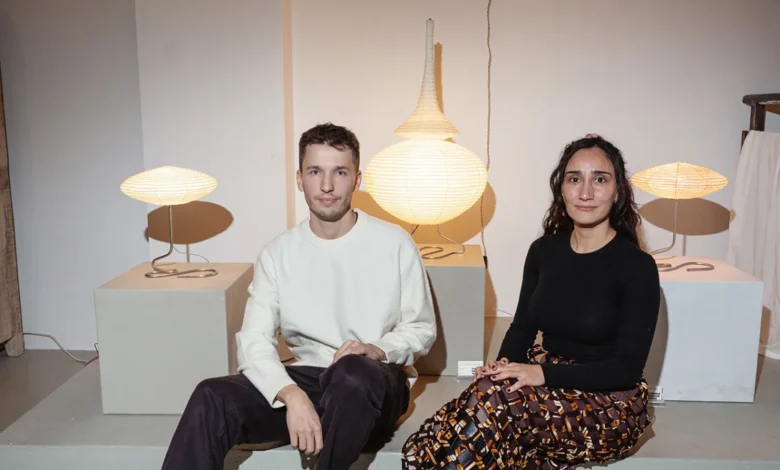
The Vienna-based design firm Endless Flat Studio has officially released its latest lighting series, titled the Find Your Serpentine Collection. Founded by architects and designers Muge Du and Stephan Sammer, the studio has gained recognition for its ability to merge traditional craftsmanship with contemporary architectural sensibilities. This new collection serves as a meditation on the versatility of paper, an ancient material that the designers argue is often overlooked in the modern office and domestic environment. By focusing on the unique fiber directionality and tactile qualities of handmade paper, the collection seeks to honor a lineage of paper artistry that spans centuries and multiple cultures, specifically bridging Asian papermaking techniques with European metalworking traditions.
A Synthesis of Material and Cultural Heritage
The Find Your Serpentine Collection is the result of a rigorous collaborative process between Du and Sammer, who operate their creative practice at the intersection of architecture, storytelling, and manual craft. Every piece in the collection is handcrafted within their Vienna studio, ensuring a level of oversight and authorship that resists the standardized uniformity characteristic of mass-produced lighting fixtures.
The primary material used in the lampshades is Kozo paper, a traditional Japanese material derived from the mulberry tree (Broussonetia papyrifera). Muge Du, who has spent years refining ancient Asian papermaking techniques alongside her own proprietary methods, forms each shade individually. Kozo paper is renowned in the design world for its long, strong fibers, which provide exceptional durability and a unique translucent quality that diffuses light with a soft, organic warmth. By hand-forming the paper, Du ensures that no two shades are identical, allowing subtle imperfections—such as variations in thickness and fiber distribution—to serve as markers of the artisanal process.

Contrasting the fragility and organic nature of the paper are the collection’s structural bases. These are constructed from stainless steel, hand-bent by Stephan Sammer in a traditional Viennese metal workshop. The choice of stainless steel provides a necessary structural counterpoint to the lightness of the Kozo paper, creating a studied balance between permanence and ephemerality. This juxtaposition of materials reflects a broader trend in high-end interior design toward "mixed-media" artisanal objects that challenge the boundaries between industrial utility and fine art.
Archaeological Inspiration: The Legacy of Göbeklitepe
Beyond its material composition, the Find Your Serpentine Collection is deeply rooted in historical and archaeological narratives. The designers have cited Göbeklitepe, a Neolithic site in Southeastern Anatolia, Turkey, as a primary source of inspiration. Dating back to approximately 9500–8000 BCE, Göbeklitepe is widely regarded as one of the world’s oldest known ritual sites, predating Stonehenge by several millennia.

The "Serpentine" in the collection’s title refers to the fluid, snake-like figures carved into the massive T-shaped stone pillars found at the archaeological site. In ancient Anatolian cultures, the serpent often symbolized transition, earth-bound energy, and the connection between the terrestrial and the divine. Endless Flat Studio translates these ancient motifs into modern forms through the undulating, continuous lines of the lamp bases. These steel structures rise from the floor or table surfaces in rhythmic waves, reaching upward toward the light source in a gesture that symbolizes the dialogue between the earth and the sky. This narrative thread adds a layer of intellectual depth to the collection, positioning the lamps as more than mere functional objects, but as contemporary artifacts that echo prehistoric human expression.
Detailed Analysis of the Collection Pieces
The Find Your Serpentine Collection comprises several distinct models, each exploring a different aspect of form and movement.

The Lifted Fingers Floor Lamp
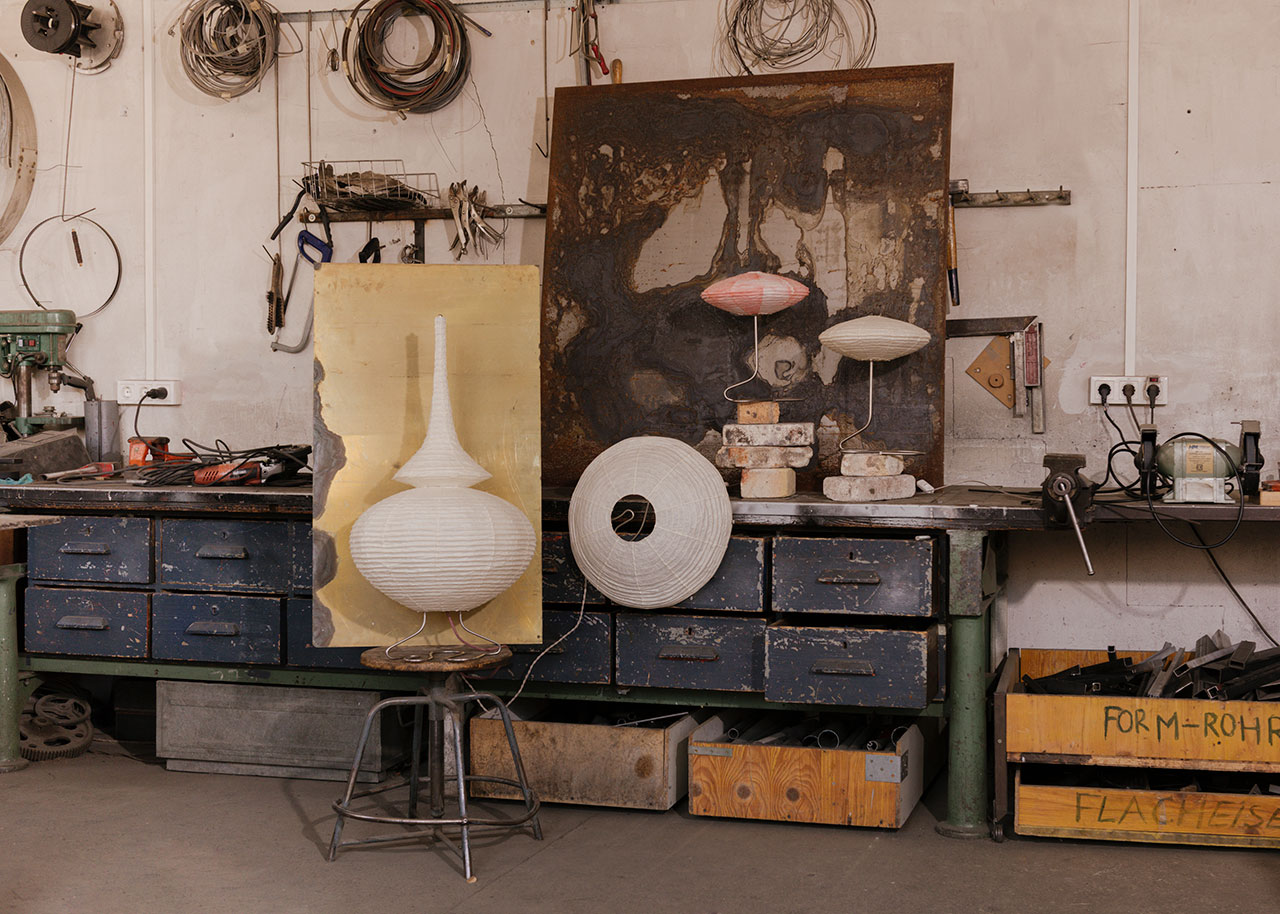
The flagship piece of the collection, the Lifted Fingers Floor Lamp, is characterized by its soft, bodily gestures. The form is intended to evoke the image of fingers gently closing as they reach upward. This organic movement is reflected in the defined curves and subtle reliefs that extend from the stainless steel base through to the Kozo paper shade. The base features a wavy wire structure that provides a sense of "playful tension," grounding the tall, vertical form while maintaining a light visual footprint.
The Cloud Table Lamp
The Cloud Table Lamp focuses on the concept of the ephemeral. The designers sought to capture the fleeting nature of a cloud drifting across the sky, translating that intangible quality into a physical object. The interplay between the cool, industrial stainless steel and the warm, fibrous paper becomes a meditation on contrast. Analysts in the design sector note that this piece particularly highlights the studio’s ability to create equilibrium between opposing elemental forces.

The Peach Sky Table Lamp
Inspired by the atmospheric calm of a seaside sunset, the Peach Sky Table Lamp leans into a more nostalgic and tonal aesthetic. It captures the specific moment before the sun disappears below the horizon, utilizing the natural diffusion of the Kozo paper to mimic the soft glow of dusk. The upward movement of the base is designed to mirror the slow rise of heat from the earth, reinforcing the collection’s theme of terrestrial-atmospheric connection.
The Sign Wall Lamp
The Sign Wall Lamp offers a study in minimalism and hidden complexity. At first glance, it appears as a simple, rounded paper form. However, upon closer inspection, a curved stainless steel structure is revealed, partially hidden behind the paper. This design choice serves as a quiet prompt for the observer to look closer, emphasizing the studio’s philosophy that simplicity often masks a high degree of intentionality and technical skill.

The Production Process and Local Craftsmanship
The decision to produce the collection entirely in Vienna is a deliberate one. By utilizing local Viennese metal workshops, Sammer and Du contribute to the preservation of regional craft traditions that are increasingly threatened by globalized manufacturing. The hand-bending of stainless steel is a labor-intensive process that requires a high degree of precision to ensure that the fluid, serpentine curves are both aesthetically pleasing and structurally sound.
Similarly, the papermaking process involves a multi-stage approach: harvesting the mulberry bark, cooking the fibers to remove impurities, beating the pulp, and finally forming the sheets or shapes using a traditional screen (suketa). Du’s integration of her own developed methods into this ancient process allows for the creation of 3D forms that go beyond the flat sheets typically associated with traditional papermaking. This technical innovation is a hallmark of Endless Flat Studio’s approach to material science.

Market Implications and the Rise of Slow Design
Industry experts suggest that the Find Your Serpentine Collection arrives at a pivotal moment in the interior design market. As consumers increasingly move away from the "fast furniture" model, there is a growing demand for "Slow Design"—objects that prioritize sustainability, longevity, and a clear narrative of origin.
The collection’s reliance on renewable materials like Kozo fiber and durable metals like stainless steel aligns with contemporary ESG (Environmental, Social, and Governance) trends in the luxury goods sector. Furthermore, the move toward "hyper-curation" in interior spaces has created a niche for lighting that serves as a focal point or conversation piece. By avoiding the polished uniformity of mass production, Endless Flat Studio positions itself as a leader in the movement toward a more deliberate and thoughtful domestic environment.

Broader Impact on the Design Landscape
The Find Your Serpentine Collection is expected to influence upcoming trends in architectural lighting, particularly in how designers integrate soft materials with rigid structures. The collection’s success in balancing ancient cultural references with a forward-looking aesthetic demonstrates that traditional crafts are not relics of the past but are vital tools for modern innovation.
The photography for the collection, captured by Lea Sonderegger, further emphasizes the atmospheric and sculptural qualities of the pieces. By placing the lamps in industrial and minimalist settings, the imagery highlights how these objects can transform a space through both their physical presence and the quality of light they emit.

In an era defined by digital overstimulation and mass-market saturation, the restraint shown by Muge Du and Stephan Sammer is a significant statement. The Find Your Serpentine Collection suggests that the future of design may lie in a return to the tactile, the local, and the historically informed. As Endless Flat Studio continues to explore the boundaries of architecture and craft, the design community will likely look to their work as a benchmark for how to honor the past while shaping the future of the built environment.