Summer 2026 Reflections: A Seasonal Review of Design Trends and Retail Shifts in the Jewelry Industry

The transition from the summer season to the academic year often serves as a period of significant reflection for both retail stakeholders and consumers. In Nashville, Tennessee, the return to school following the 2026 summer break has prompted a broader analysis of consumer behavior, shifting aesthetic preferences, and the evolving role of personalized, artisanal jewelry in a fluctuating economic landscape. As the retail sector navigates the post-summer lull, data suggests a notable pivot toward vibrant, color-forward design palettes and a resurgence in demand for artisanal, small-batch accessories.
The Shift Toward Chromatic Expression in Jewelry Design
A prominent trend characterizing the jewelry market throughout the summer of 2026 has been the widespread adoption of saturated color palettes. Industry experts note that the influence of professional color analysis—a process traditionally reserved for high-end fashion consulting—has increasingly permeated the fine jewelry sector. Consumers are moving away from monochromatic, minimalist aesthetics in favor of "Bright Spring" and tropical-toned palettes.
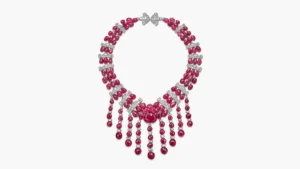
Market analysis indicates that jewelry designers are responding to this demand by integrating gemstones that prioritize color saturation over traditional, muted tones. Stones such as turquoise, red coral, and angel skin coral have seen a notable uptick in interest. This shift represents a broader departure from the "quiet luxury" movement, which dominated the previous fiscal year, toward a more expressive, high-contrast visual language. The data suggests that consumers are seeking jewelry that functions as an extension of their personal brand, utilizing gemstone properties to align with specific seasonal color theories.

Artisanal Production and the Rise of Small-Batch Retail
The summer of 2026 also highlighted a strategic shift in retail operations, particularly concerning the accessibility of artisanal goods. The introduction of lower-price-point items, such as specialized glass beads, reflects a diversifying inventory strategy designed to capture a wider demographic.
By collaborating directly with glass artisans, retailers have been able to address specific functional gaps in the market. For instance, the production of glass beads with larger aperture diameters—engineered to fit standard high-karat gold chains—demonstrates a focus on technical utility alongside aesthetic appeal. This project underscores a significant trend: the democratization of luxury jewelry. Offering curated pieces at accessible price points, such as the $25 retail mark, allows brands to maintain engagement with their customer base while minimizing the barriers to entry typically associated with fine jewelry purchases.

Chronology of Summer 2026 Retail Initiatives
The summer calendar for the boutique jewelry sector was marked by several key product launches and collaborative efforts:
- May 2026: Re-launch of the "Danielle Seashell Key" charm, a collaboration with Sister Sister Jewelry. The initial release in 2024 served as a baseline, and the 2026 expansion included both all-gold and gemstone-encrusted variations.
- June 2026: Expansion of the glass animal figurine collection, sourced from artisanal workshops in Pennsylvania and Ukraine. This category tapped into the "collectible" market, showing a high level of customer retention and social media engagement.
- July 2026: Integration of organic gold wafer beads into the core collection. These pieces, characterized by their "perfectly imperfect" handmade nature, provided a tactile contrast to the more rigid designs of the previous spring.
- August 2026: The release of the "In the Light of Day" key collection. This project emphasized the technical complexity of gemstone species and saturation variations, catering to an increasingly educated consumer base that values the provenance and scientific characteristics of their jewelry.
Data-Driven Consumer Behavior and Demographic Trends
The return-to-school period acts as a barometer for household spending in the United States. Following the summer of 2026, parental surveys indicated a heightened focus on family experiences, with many households reporting a shift in expenditure toward travel and leisure, despite ongoing challenges related to logistical planning.

In the retail space, the "pop of color" trend—often achieved through the addition of a single, vibrant glass bead to a necklace stack—has become a hallmark of late-summer fashion. Retail metrics suggest that customers who previously avoided bold, high-contrast colors, such as bright orange or saturated reds, are now gravitating toward these options following professional style consultations. This trend confirms that color analysis has transitioned from a niche interest to a driver of retail demand.
Operational Challenges and Sustainability in Inventory Management
The summer of 2026 was not without its logistical hurdles. High regional temperatures in the Southeastern United States necessitated a significant overhaul of inventory storage solutions. The migration of legacy items—such as childhood keepsakes and archival jewelry components—from attic storage into purpose-built cabinetry serves as a case study for the importance of proper environmental controls in preserving the longevity of organic materials.

The reorganization of these archives also provided an opportunity for retailers to rediscover historical design motifs. The resurgence of interest in mid-century aesthetic elements, particularly those that align with the aforementioned "Bright Spring" palette, demonstrates that historical archives remain a vital source of inspiration for modern collections.
The Emergence of Brown Diamonds and Marquise Settings
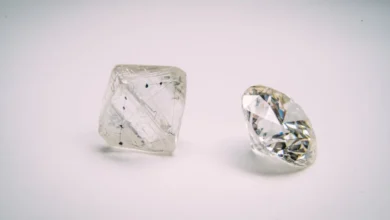
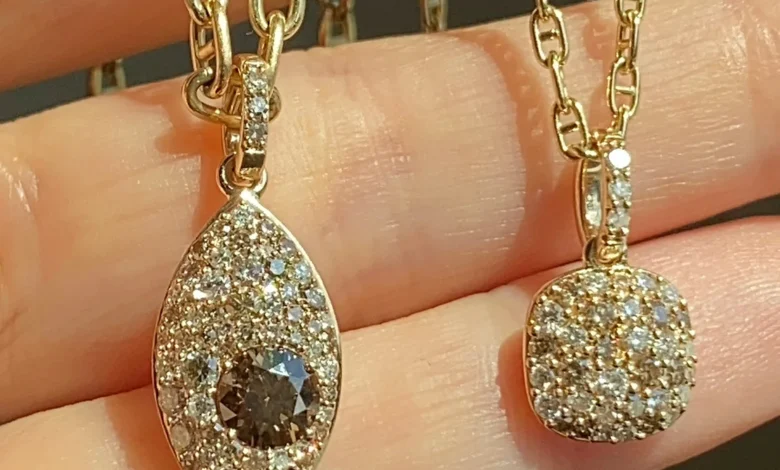
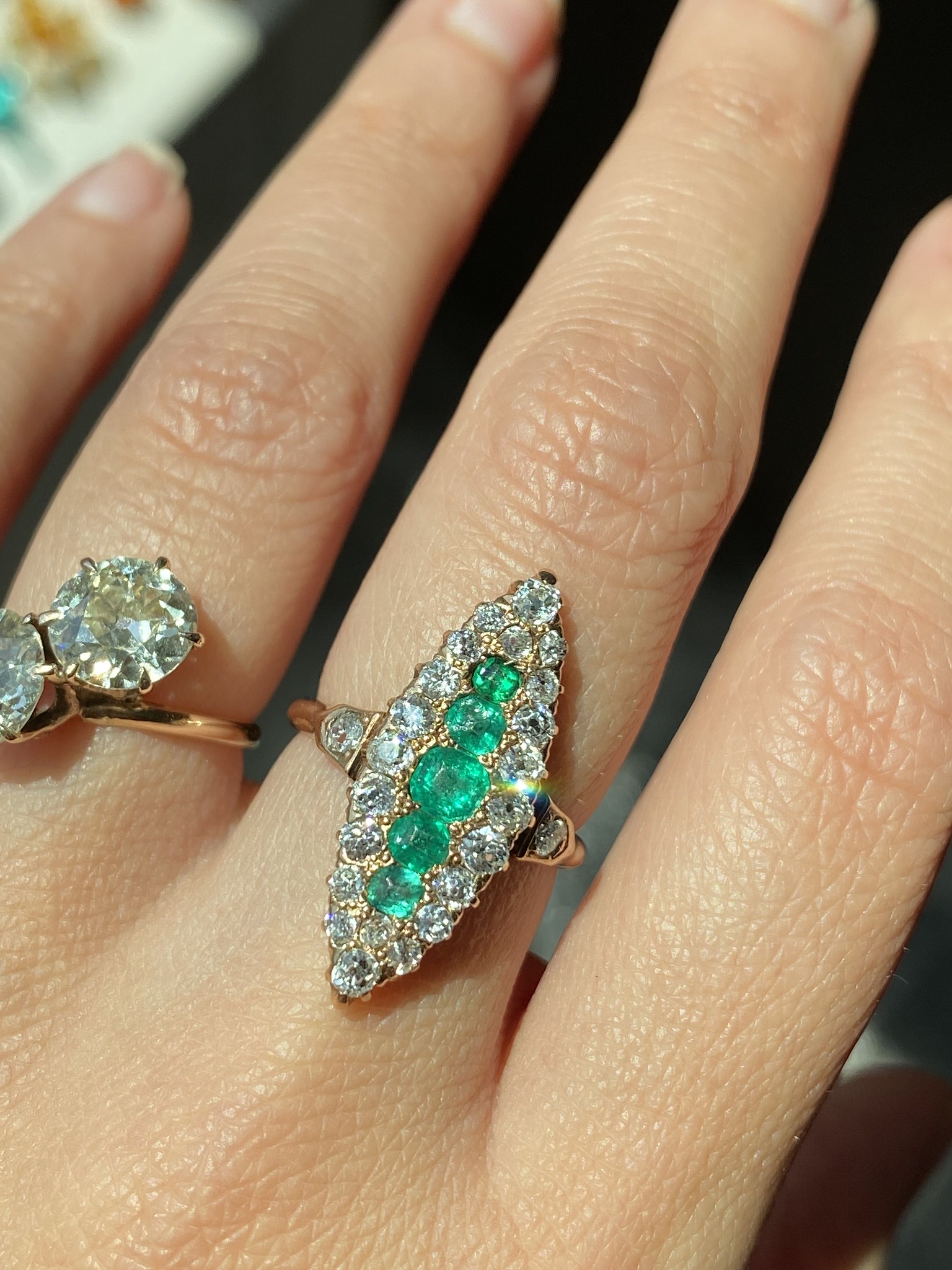
As the season concluded, the market saw a notable interest in brown-toned diamonds, particularly those set in asymmetrical marquise configurations. Ombre-colored diamonds have emerged as a sophisticated alternative to traditional clear diamonds, providing a depth of color that complements the trend toward earth-toned and warm-spectrum accessories.

The successful integration of these stones into the current inventory indicates a shift in consumer perception. Brown diamonds, once considered secondary to colorless stones, are now being marketed as primary, center-stone options. This repositioning is a clear indication of a more nuanced market that values the unique characteristics of the stone—such as its specific hue and cut—rather than relying solely on the traditional "Four Cs" of diamond grading.
Broader Impact and Industry Outlook
The jewelry industry enters the final quarter of 2026 with a distinct focus on personalization, collaboration, and chromatic variety. The shift toward artisanal partnerships, such as those with international glass artisans, suggests that the future of the industry lies in transparency and the "human" element of production.

Furthermore, the emphasis on jewelry that can be customized—through charm jumbles, bead additions, and modular key designs—suggests that the modern consumer is seeking agency in their styling. By allowing the customer to curate their own pieces from a selection of artisanal components, retailers are fostering a deeper sense of brand loyalty.
In conclusion, the summer of 2026 proved to be a period of significant consolidation and growth. The intersection of color theory, artisanal craftsmanship, and a return to curated, individualistic styling has set a clear trajectory for the jewelry industry. As retailers look toward the upcoming winter season, the focus remains on leveraging these summer successes to maintain momentum, ensuring that both high-end investments and accessible accessories continue to resonate with a diverse and increasingly knowledgeable consumer base. The data indicates that as long as the focus remains on quality, unique aesthetic value, and personal expression, the demand for artisanal, thoughtfully designed jewelry will continue to rise.
Related posts: