How Netflix Transformed the Dallas Cowboys Cheerleaders Into a Global Commercial Powerhouse in Fashion and Beauty

The cultural and commercial footprint of the Dallas Cowboys Cheerleaders (DCC) has undergone a profound metamorphosis, shifting from a traditional NFL sideline staple into an international multimedia phenomenon. According to former DCC group leader Megan McElaney, the single greatest catalyst for this evolution has been the release of Netflix’s docuseries America’s Sweethearts: Dallas Cowboys Cheerleaders. By pulling back the curtain on the grueling auditions, intense physical demands, and emotional resilience required to wear the iconic uniform, the streaming platform has fundamentally altered public perception.
Before the series premiered, the squad already enjoyed near-universal domestic recognition. However, Netflix introduced the DCCs to an expansive global audience, creating a deeper, more intimate connection between the women behind the uniforms and viewers worldwide. This shift has elevated the perception of the cheerleaders from traditional performers to elite athletes, catching the attention of major global brands eager to align their marketing strategies with the squad’s newfound cultural capital.
Measuring the Phenomenon: Audience Metrics and Digital Reach
The measurable growth in viewership underscores the immense commercial leverage the franchise now holds. The debut season of America’s Sweethearts drew 2.3 million global views in its first four days alone, climbing to 3.7 million by its second week. Momentum continued into subsequent releases, with season three opening at No. 4 on Netflix’s global English-language television chart in June, securing 3.2 million views within its first six days.
This explosive visibility has translated directly into massive digital engagement. Notably, the official DCC social media channels command a larger Instagram following than 12 entire NFL franchises. This massive, highly engaged digital footprint provides fashion and beauty brands with a direct conduit to demographics—particularly women interested in beauty, fashion, dance, and lifestyle reality television—who may not otherwise follow professional football.
Bridging Sports and Retail: Major Brand Partnerships Evolve
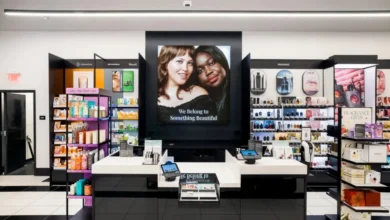
Capitalizing on this expanding demographic bridge, major fashion and beauty companies are aggressively moving to turn passive viewers into active consumers. The commercial landscape surrounding the team shifted notably when Sally Beauty announced its first-ever professional football partnership, designating the company as the official beauty retailer of both the Dallas Cowboys and the DCCs.
Simultaneously, Abercrombie & Fitch expanded its preexisting relationship with the organization. The lifestyle brand’s updated multi-year pact now encompasses an expanded product assortment, dedicated athlete styling, and year-round activations. As part of this partnership, Abercrombie has installed a branded, custom closet directly inside the DCC locker room at The Star in Frisco, Texas. This product assortment is refreshed on a monthly basis, outfitting the squad for their off-field wardrobes. Furthermore, the broader Abercrombie x Cowboys collection has secured wide distribution through NFLShop.com and AT&T Stadium via Abercrombie’s strategic partnership with Fanatics.
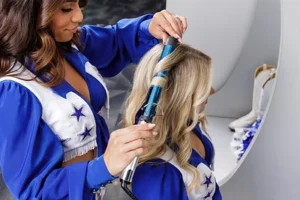
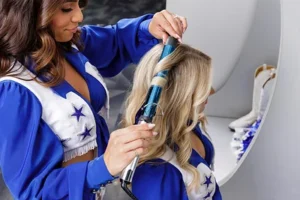
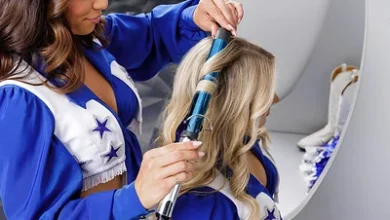
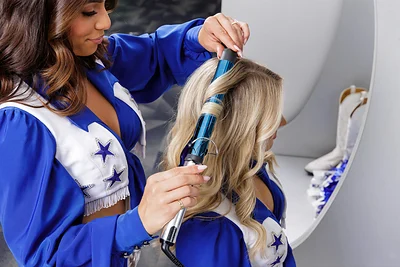
For Sally Beauty, the alliance with the DCCs represents a vital tool for customer acquisition and brand transformation. The retailer plans to leverage the cheerleaders’ content, public appearances, and step-by-step product demonstrations to educate consumers on recreating the squad’s signature game-day hair and nail looks. Additionally, the partnership will strategically promote Sally’s rapidly growing men’s hair-care assortment.
According to Chris Kobus, chief marketing officer of Sally Beauty, the collaboration plays perfectly into the company’s broader strategic overhaul. Neil Saunders, managing director of GlobalData Retail, notes that the retail brand has long fought against a lingering consumer perception. Many shoppers have historically viewed Sally as a strictly functional retailer specializing primarily in professional hair-care supplies. While that perception is outdated, Saunders explains that capturing a younger, trend-conscious demographic requires active inspiration and positioning Sally as a comprehensive destination across multiple beauty categories.
The Macro Economics of NFL Fashion and Beauty Sponsorships
The timing of these partnerships aligns with a broader industry-wide financial surge. Data from SponsorUnited indicates that fashion and beauty sponsorship spending across the entire NFL rose by 16.9% year-over-year, reaching $58 million during the 2025–2026 season. Simultaneously, the total number of deals increased by 11.7% to 105.
Excluding venue naming-rights agreements, the Dallas Cowboys consistently outperform other NFL teams in both fashion and beauty deal volume and total revenue. The organization successfully attracted more than $8 million in category sponsorship spending during the 2025 season alone.
Academic experts emphasize the unique positioning that the cheerleading squad affords corporate partners. Bob Heere, a sports management professor at the University of North Texas, points out that the DCCs have historically served as the Cowboys’ primary bridge to female consumers and the beauty and fashion sectors. Netflix has drastically widened that access point.
Echoing this sentiment, Peter Carton, executive director of sport industry engagement and partnerships at Southern Methodist University (SMU), notes that while the Cowboys organization offers brands unprecedented athletic reach, the cheerleaders provide something entirely distinct: an authentic pathway bridging sports entertainment directly into high fashion, lifestyle, and beauty culture.
The Ongoing Debate Over Individual Compensation and Agency
Despite the soaring macroeconomic value of the DCC brand, questions persist regarding how equitably that financial success trickles down to the individual women who generate it. Megan McElaney highlights a critical nuance in the modern influencer and corporate sponsorship landscape: team-level partnerships do not automatically translate to individual financial compensation for every squad member.
While corporate alliances—such as the squad’s ongoing relationship with makeup giant Charlotte Tilbury—benefit the entire team by subsidizing and making expensive game-day beauty routines more accessible, the reality for the performers is complex. Charlotte Tilbury has selectively hired individual cheerleaders to create sponsored game-day content; however, McElaney notes that not every member of the squad aspires to become a commercial influencer or cultivate a highly public personal brand.
This dynamic creates a complex management environment as the Cowboys franchise continues to segment its beauty and fashion partnerships into increasingly specific categories. Maintaining parallel relationships with brands like Charlotte Tilbury as an official beauty partner and Sally Beauty as an official beauty retailer requires carefully negotiated boundaries. Industry experts observe that these competing or overlapping partnerships can successfully coexist only when each brand is granted strictly defined product categories, exclusive promotional rights, and non-conflicting activation schedules.
Moving From Sponsorship to Commerce
As the sports-marketing landscape evolves, the primary challenge for corporate sponsors is moving beyond traditional metrics like signage visibility and social media impressions. According to Peter Carton, the ultimate test for these modern retail relationships is transitioning successfully from passive sponsorship to active commerce. Brands are no longer merely asking how many consumers viewed a logo on a broadcast; they are rigorously tracking how many fans actively engaged with the brand, entered its retail ecosystem, or completed a purchase directly attributable to the partnership.
At the same time, cultural advocates and former performers argue that the long-term sustainability and integrity of these collaborations will depend heavily on internal equity. For McElaney and other alumni, true commercial success must be measured not just by corporate revenue generation, but by whether the women driving that value are meaningfully included and compensated as active stakeholders, rather than being utilized merely as passive visual assets for brand identity.
As streaming platforms continue to redefine sports culture and consumer habits, the intersection of professional cheerleading, fashion, and retail commerce will remain a vital space to watch. The evolution of the Dallas Cowboys Cheerleaders proves that modern sports properties can transcend the playing field entirely, creating multi-industry empires where athletics, entertainment, and retail merge into a single powerhouse economy.