The Ultimate 2026 Holiday Gift Guide for Food Lovers: Artisanal Kitchenware, Global Flavors, and Design-Forward Tableware

The holiday season traditionally centers around the kitchen and the dining table, driving a significant surge in consumer demand for specialized culinary tools, artisanal housewares, and globally sourced ingredients. Culinary enthusiasts, home cooks, and dedicated hosts continuously seek equipment and pantry staples that merge high-performance functionality with exceptional design provenance. This year’s curated selection of holiday gifts highlights an intersection of traditional craftsmanship and modern design, featuring items sourced from international artisan collectives, generational workshops, and pioneering culinary brands. Market analysts note that consumer preferences have shifted decidedly toward gifts that carry authentic cultural narratives, sustainable production methods, and multi-generational durability, transforming everyday kitchen tools into heirloom pieces and conversation starters.
Traditional Craftsmanship and Global Provenance
A primary trend in the 2026 holiday gift market is the elevation of traditional, hand-crafted objects that honor regional heritage and indigenous techniques. Prominent among these offerings is the Oaxacan Clay Mezcal Set by artisan Francisco for Obakki, priced at $193. This hand-built clay collection revives centuries-old pottery traditions of Oaxaca, Mexico. After spending years away from his craft, Francisco returned to his community to utilize local earth and traditional kilns, incorporating self-grown copal and tobacco leaves into the firing process to achieve a distinctive smoky black finish. Natural minerals sourced from nearby mines yield secondary tones of cream, orange, and aqua, ensuring that every piece remains a unique representation of Oaxacan regional geology.

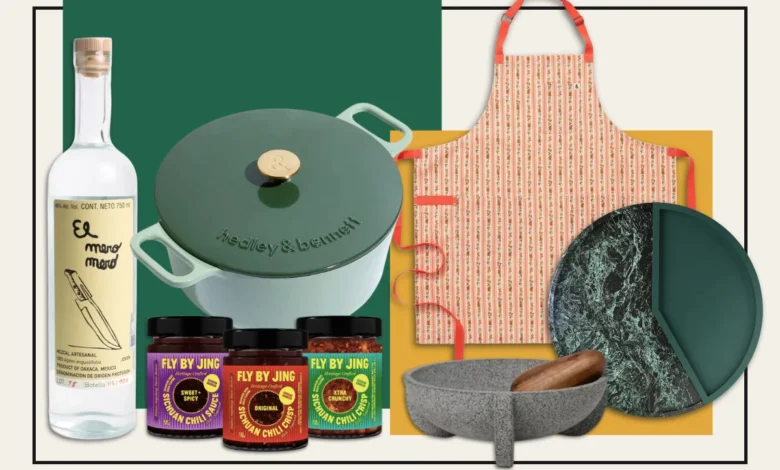
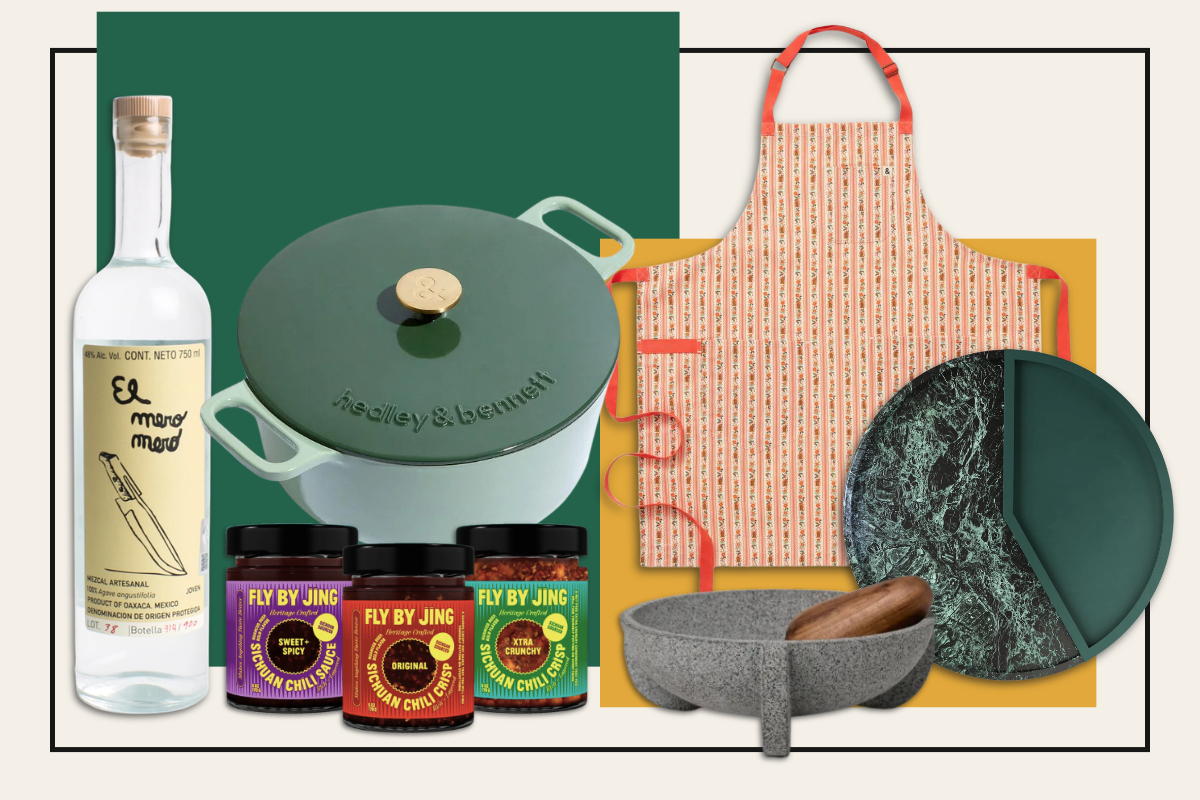
Complementing this ceramic set are specialty pairings designed to elevate the tasting experience. El Mero Mero Espadín mezcal, retailing at $65, offers a 48% ABV spirit characterized by cooked-maguey smoke, herbal undertones, and an extended finish tailored to accompany traditional Mexican moles, adobos, and spicy seafood dishes. For rimming and dusting, SOS Chefs provides Agave Worm Salt for $20, completing a triad of authentic Oaxacan elements that emphasize experiential gifting over mass-produced novelty items.
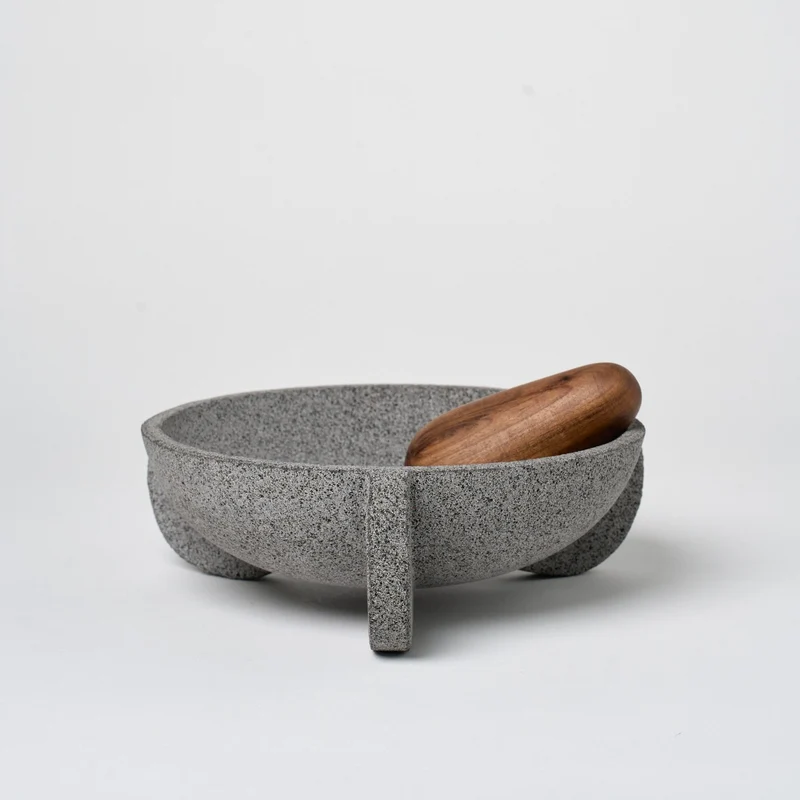
Further expanding into artisanal Mexican kitchenware, the Tecali Mortar and Pestle, available through Obakki for $210, delivers heavy-duty functionality rooted in design collaboration. Weighing nine pounds and sculpted from solid Mexican lava rock, the traditional molcajete is paired with an ergonomic Tzalam wood pestle. Designed by Mexico City-based collective leader Karim Molina—who collaborates directly with stone carvers in Puebla and woodworkers in Veracruz—this tool provides home cooks with an authentic foundation for grinding spices and preparing emulsified sauces like guacamole and traditional pesto.
Innovation and Ergonomics in Kitchen Engineering
Beyond aesthetic presentation, contemporary culinary gift design emphasizes rigorous ergonomic engineering and mechanical innovation. The Piper Oudo Pepper Grinder Gift Set, priced at $155, exemplifies this synthesis by winning the prestigious Red Dot Award. Constructed from Black Walnut or Hard Maple, the grinder features a precision stainless steel conical burr mechanism that ensures a uniform grind. An integrated MagPlate captures stray peppercorn fragments to maintain clean countertop surfaces. The set includes a four-month to six-month supply of Debut Blend—a 50/50 mix of black and red Kampot peppercorns farmed in Cambodia, offering distinct flavor profiles of eucalyptus, lemon zest, and red berry—alongside a specialized pepper duster.

In the realm of specialty beverage preparation, the Loka Chai Maker, retailing at $149, addresses common domestic cooking challenges associated with traditional tea brewing. Recognized as a 2025 Red Dot Award winner, the appliance features a patented "Chai Fountain" mechanism designed to prevent boil-overs while gently circulating the liquid. An integrated stainless steel strainer captures loose tea leaves and whole spices simultaneously. Compatible with gas, electric, and induction cooktops, the device streamlines a historically labor-intensive process, reflecting a growing consumer demand for kitchen appliances that reduce user intervention while optimizing results.
The Evolution of Culinary Apparel and Cookware

The intersection of professional commercial kitchen standards and residential cooking aesthetics continues to influence market offerings. Hedley & Bennett, a brand established by former line cook Ellen Marie Bennett following an impromptu career leap over a decade ago, has expanded its product catalog from professional aprons into high-end cookware. The Full Cookware 6-Piece Set, priced at $530 with individual components starting at $150, combines five-ply stainless steel construction with enameled cast iron cores. Engineered to withstand oven temperatures up to 550°F, the collection balances thermal responsiveness with superior heat retention. Available in vibrant colorways such as Shiso Green, Enoki White, and French Blue, the cookware line addresses the modern consumer’s desire for stove-to-table aesthetic continuity.
For holiday baking enthusiasts, collaborative bundles offer comprehensive seasonal activities without traditional logistical frustrations. The Large Family Bundle by The Tomte Cake, available for $135, provides two gingerbread house baking pans, pre-mixed dry ingredients, Nordic tomte gnomes, and an illustrated storybook based on Scandinavian folklore. To complete the experience, consumers can pair the baking set with Rifle Paper Co. Holly Jolly Aprons via Hedley & Bennett, with children’s sizes starting at $66 and adult versions priced at $129, facilitating multi-generational family cooking traditions.

Tabletop Presentation and Entertaining Essentials
Entertaining guests during the holiday season requires serveware that accommodates diverse dietary preferences and aesthetic standards. The 5 O’Clock Tray by The Form Follows, available for $175 through Stillfried, utilizes a circular marble base paired with a lacquered aluminum inlay. Its segmented compartments allow hosts to serve contrasting culinary presentations simultaneously—such as traditional holiday spreads featuring warm blinis and chilled caviar alongside plant-based, gluten-free alternatives.

The plant-based component of such a spread can be sourced from Lofoten Seaweed, a Norwegian enterprise co-founded by Angelita Eriksen, daughter of a local fisherman, and Tamara Singer. Their Algae Pearls, priced at $14, are manufactured using wild-harvested Norwegian seaweed flavored with smoked wakame. Retaining their structural integrity and color when heated, these pearls serve as a sustainable, vegan caviar alternative suitable for holiday seafood dishes, canapés, and roasted vegetable presentations.
For elevated dessert and condiment presentation, Service Projects offers the Ice Cream Cup 02 set, retailing at $35 per individual cup or $140 for a set of four, alongside Canteen Polished Table Spoons priced at $75 for a set of four. Crafted from ribbed stainless steel with Art Deco geometric influences, these pieces bridge the gap between functional serveware and sculptural table art. Similarly, Holcomb Studio’s Float Condiment Container, available for $45, utilizes borosilicate glass to create an optical illusion of suspended contents. Accompanied by a fitted lid and spoon, the container serves chili crisp, jams, or sauces while doubling as a minimalist pouring vessel for liquid condiments.

To complement condiment consumption, Fly by Jing’s Triple Threat Gift Box, priced at $50, provides three distinct Sichuan chili crisp variations—Original, Sweet + Spicy, and Xtra Crunchy—catering to the expanding mainstream palate for complex, heat-driven flavor profiles.
Design-Forward Clean-Up and Specialized Accessories

Market data indicates that consumers increasingly view home organization and clean-up accessories as extensions of interior design rather than purely utilitarian necessities. The Orb Sponge by Orb Clean, priced at $25, offers a spherical, non-scratch, odor-resistant, and dishwasher-safe dish sponge accompanied by a dedicated drying base. Designed to be displayed rather than concealed beneath the sink, the product is available in Onyx and Stone finishes.
Pairing with the Orb Sponge, the Golda Sphere Soap from Supple Apothecary, retailed at $30, transforms standard kitchen sink areas into curated vignettes. Formulated from a base of coconut, olive, jojoba, and avocado oils, the soap cleanses without stripping natural skin moisture, while incorporating lemongrass and Aomori hiba oil for a botanical, cedar-forward fragrance profile.

For precision culinary execution, specialty accessories continue to capture niche consumer interest. The Tasting Spoon and Fork by Building Block Etc., manufactured in Niigata, Japan, retails for $15. Measuring 23 centimeters in length, the dual-ended utensil features a deep tasting spoon on one terminal and a fine fork on the other. The extended handle protects users from steam exposure during pot monitoring, while the fork assists in tenderness evaluation and cocktail stirring, proving that highly functional stocking stuffers remain a staple of thoughtful holiday giving.
Finally, Gustaf Westman’s Chunky Beer Tray, available for $75, offers a whimsical yet functional approach to casual entertaining. Crafted by the Stockholm-based architect and designer’s eponymous studio in a Transparent Green finish, the circular glass tray fits around beverage bottles while providing perimeter compartments for snacks. The design’s modular capabilities allow it to function as a secondary bowl topper to conceal olive pits or pistachio shells, or as a decorative base for floral arrangements during holiday gatherings.

Implications and Market Outlook
The breadth of the 2026 holiday culinary gift market demonstrates a mature consumer base that values provenance, tactile engagement, and cross-cultural flavor exploration. By bridging historical artisan techniques—such as Oaxacan pottery and Cambodian pepper farming—with contemporary industrial design and sustainable material sourcing, manufacturers have redefined kitchenware as collectible art. As consumer spending increasingly aligns with ethical production and narrative-driven goods, the intersection of gastronomy and modern design remains a primary driver of the seasonal retail economy.