The Ultimate Guide to Simple and Minimalist Wedding Dresses: 2027 Trends, Styling Tips, and Expert Advice

For decades, the bridal fashion industry was defined by maximalism—heavy crinoline skirts, intricate beadwork, structural corsetry, and layers of shimmering tulle designed to command attention. However, a major shift in consumer preference has rewritten the modern bridal playbook. Today’s brides are increasingly turning away from the conventional displays of heavy pageantry, choosing instead the refined allure of simple, minimalist wedding dresses. Far from appearing plain or uninspired, these pared-down gowns represent the pinnacle of modern sophistication, elegance, and architectural grace.
As the bridal market looks ahead, simple wedding dresses have emerged as a dominant force in contemporary fashion. According to recent industry metrics, over 60% of modern brides now favor minimalist or understated silhouettes for their ceremonies. This design philosophy hinges on a powerful premise: when excessive ornamentation is stripped away, the true artistry of a garment—its fabric, fit, and structural integrity—takes center stage.
The Evolution of Minimalist Bridal Fashion
The resurgence of minimalism in bridal wear is not an isolated trend, but rather a reflection of broader cultural shifts toward intentionality, sustainability, and personal authenticity. Historically, wedding dress design mirrored the economic and social markers of its era, fluctuating between periods of austere simplicity during times of economic constraint and lavish excess during economic booms.
In recent years, the influence of 1990s minimalism has permeated high fashion, trickling down into bridal runways from Milan to New York. Designers have responded by reinterpreting classic silhouettes through a contemporary lens. The focus has shifted from heavy embellishments to clean lines, bias cuts, and high-performance textiles that offer both luxury and comfort. According to leading bridal couture houses, the modern bride values longevity and versatility. A simple wedding dress allows a bride to look back at her wedding photographs decades later without finding dated, hyper-trendy embellishments that obscure her natural personality.
Key Silhouettes and 2027 Trends
As bridal fashion week previews indicate, 2027 is set to be a milestone year for minimalist design, introducing innovative cuts and updated classics that redefine simplicity.
1. Bubble Hem Gowns
One of the standout bridal trends for 2027 is the introduction of bubble hem silhouettes. Characterized by a gently rounded skirt contour, bubble hems provide organic volume without requiring heavy layers of internal structuring. This style bridges the gap between playful modernity and sophisticated architecture, making it a favorite for fashion-forward brides. Often crafted from structured satin or mikado, shorter variations of the bubble hem dress have also become essential attire for wedding receptions and after-parties.
2. The Basque Waistline
Making a triumphant return from historical fashion archives, the Basque waist is projected to dominate bridal trends throughout 2027. Featuring a lowered, V-shaped waistline that elongates the torso, this cut naturally flatters an array of body types by creating a balanced hourglass silhouette. Minimalist designers are pairing Basque waists with clean corset bodices, subtle draping, and streamlined A-line or column skirts to achieve a dramatic yet understated effect.
3. The 90s-Inspired Slip Dress
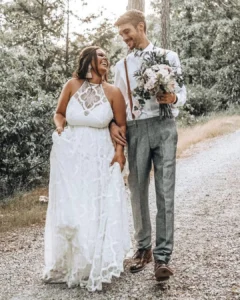
The slip dress remains the definitive choice for the effortless bride. Cut on the bias with delicate spaghetti straps and a fluid column shape, these gowns rely entirely on the drape and quality of the fabric. Silk slip dresses offer a lightweight, tactile movement that photographs with quiet luxury, while satin iterations provide a polished, luminous sheen that commands the room through sheer elegance rather than loud ornamentation.
4. Clean Lines with Architectural Sleeves
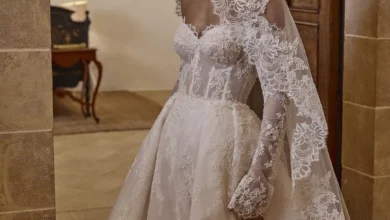
For brides favoring a more modest or conservative aesthetic, simple long-sleeve wedding dresses offer timeless appeal. These gowns eschew lace and beadwork in favor of precise tailoring, high necklines, and dramatic, structured sleeves. Whether executed in crisp mikado or fluid crepe, long-sleeve minimalist gowns prove that modesty and high fashion are deeply complementary.
Selecting the Right Fabric for a Minimalist Gown
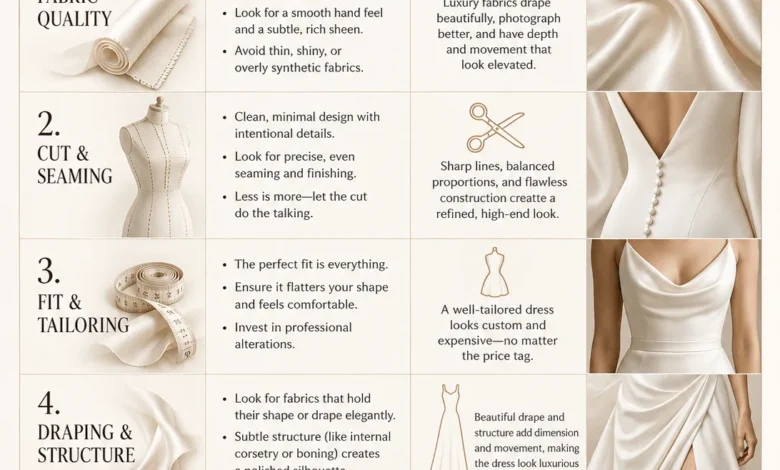
Because simple wedding dresses lack heavy embroidery, sequins, or multi-layered appliques, the choice of fabric is the single most critical factor in determining the overall quality and aesthetic impact of the dress.
- Crepe: Celebrated for its matte finish and fluid drape, crepe is the quintessential fabric for modern, form-fitting silhouettes. It moves with the body and offers a sleek, sophisticated finish.
- Satin and Silk: These materials bring a soft, luminous sheen and a luxurious hand-feel. Silk offers an effortless, liquid-like movement, while bridal satin provides more body and structure.
- Mikado: A heavier, blended silk with a subtle sheen and a distinct architectural quality, mikado is the premier choice for structured A-line and ball gown silhouettes that require shape retention without excessive undergarments.
- Chiffon and Organza: Ideal for destination or warm-weather weddings, these lightweight fabrics provide an ethereal, breezy quality suitable for outdoor ceremonies.
Expert Guidance: Styling and Accessorizing
Styling a minimalist gown requires a strategic approach. Industry experts advise treating the dress as a blank canvas, choosing one or two statement elements rather than overloading the look with competing accessories.
When pairing accessories with a simple dress, balance is key. A sleek, unadorned silk slip dress pairs exceptionally well with a dramatic, scattered-pearl veil or sculptural statement earrings. Conversely, a structured crepe gown with architectural lines can be elevated with classic diamond or pearl studs and minimal footwear.
Furthermore, venue considerations play a vital role in fabric and silhouette selection. Beach and destination weddings demand lightweight, breathable materials such as chiffon, linen blends, or cotton lace, paired with relaxed silhouettes like Greek-inspired drapes or two-piece ensembles. Conversely, formal ballroom venues often call for heavier, structured fabrics like mikado or matte crepe that command a formal presence.
Addressing Common Pitfalls
Brides transitioning from traditional bridal wear to minimalist styles often encounter specific challenges. One of the most frequent mistakes is underestimating the importance of tailoring. Because simple dresses feature clean, unbroken lines, even minor structural flaws or imperfect hems are immediately noticeable. Investing in expert tailoring is non-negotiable for a polished final look.
Another common misconception is that simple dresses are inherently budget-friendly. While minimalist gowns can sometimes be found off-the-rack at lower price points, designer minimalist dresses crafted from heavy luxury silk, structured mikado, or featuring complex internal corsetry often match or exceed the cost of heavily embroidered gowns due to the precision required in their construction.
Broader Economic and Cultural Implications
The surging popularity of simple wedding dresses reflects a wider cultural pivot within the multi-billion-dollar wedding industry. Consumers are increasingly prioritizing financial pragmatism, sustainability, and personal comfort over traditional pageantry. By investing in versatile, high-quality garments that can potentially be re-worn, altered, or preserved without excessive bulk, modern couples are reshaping market demands. Designers and bridal houses have had to adapt, pivoting production lines to emphasize superior craftsmanship, sustainable textile sourcing, and timeless design over disposable fast-fashion bridal trends.
Ultimately, the enduring appeal of the simple wedding dress lies in its ability to highlight the bride herself. By removing the noise of excessive decoration, these gowns offer a timeless expression of personal style, ensuring that elegance remains the ultimate standard of bridal fashion for generations to come.