The Evolution of Personal Style and Antique Jewelry Curation: A Deep Dive into the Collection of Cyndi of TheFabNab

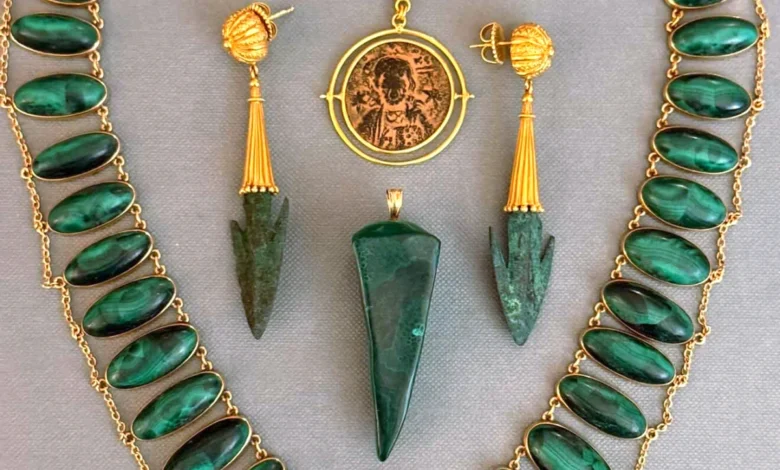
The intersection of historical preservation and contemporary fashion has found a unique champion in Cyndi, the proprietor of the Instagram-based platform @TheFabNab. Her collection, which has matured significantly since its initial documentation in 2021, serves as a case study for the modern "selective collector." By bridging the gap between Victorian-era ornamentation and modern empowerment, Cyndi has established a distinct aesthetic footprint characterized by an affinity for medallions, religious iconography, serpentine motifs, and the strategic use of rubies. This profile examines the trajectory of her collection, the mechanics of antique jewelry conversion, and the community-driven nature of the contemporary high-end vintage market.
A Chronology of Curation: From Beadwork to Antique Preservation
Cyndi’s foray into the world of jewelry began approximately 13 years ago, starting not with precious metals, but with the assembly of semi-precious beads. This formative phase, which coincided with the peak popularity of DIY jewelry making in the early 2010s, provided her with an foundational understanding of material composition and design assembly. However, her focus shifted rapidly toward historical pieces, driven by a desire for both aesthetic longevity and financial prudence.

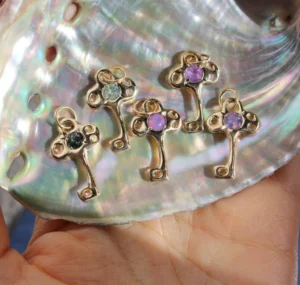
Her early collecting strategy relied on the acquisition of antique stick pins. During the early 2010s, the market for such items was significantly more accessible than it is today. By identifying under-valued Victorian and Edwardian components, Cyndi began a practice of "reimagining" these items. This transition from passive collector to active curator allowed her to convert period-appropriate brooches into rings or charms, thereby increasing their utility. This practice eventually evolved into the "Lucky Numbers + Talismans" collection, a capsule line that repurposes Art Deco and Edwardian elements into custom, sentiment-driven jewelry.
Market Dynamics and the Value of Antique Components
The antique jewelry market has seen a marked increase in interest over the last decade, driven largely by social media platforms that facilitate the visibility of rare items. According to industry analysts, the demand for "reimagined" antique jewelry has risen by approximately 25% since 2019, as consumers seek unique alternatives to mass-produced, modern luxury goods.
Cyndi’s approach highlights a broader trend: the "re-dreaming" of vintage components. This is not merely a stylistic choice but a response to the scarcity of high-quality period pieces. For example, Victorian ruby spikes—highly coveted for their symbolism of strength and fidelity—are becoming increasingly difficult to source. By sourcing existing Art Deco pins and reconfiguring them into contemporary "spikes," collectors and designers are effectively keeping historical design languages relevant. This practice serves as a hedge against the rising cost of original, intact antique jewelry, which has seen aggressive price appreciation at auction houses and boutique dealers due to a constrained supply.

Iconography and the Psychology of Talismans
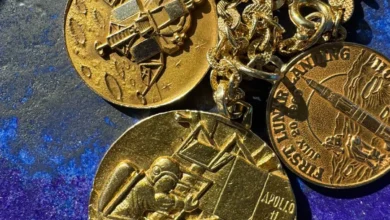
The collection curated by Cyndi is defined by recurring motifs that carry specific symbolic weight. Her fascination with celestial imagery—moons, stars, and the H.Stern Genesis line—speaks to a broader cultural interest in historical cosmic symbolism. The use of old mine-cut diamonds, often set in darkened silver atop gold, remains a benchmark of high-quality Victorian craftsmanship.
Beyond the aesthetic, there is a significant psychological component to this form of collecting. Jewelry, in this context, functions as a "talismanic" object. Scholars of material culture suggest that the practice of gifting or acquiring jewelry to commemorate personal milestones—such as professional achievements or emotional victories—creates a "layer of love" that transforms a decorative object into a mnemonic device. This personal narrative is a critical driver for collectors who view their jewelry as a daily reminder of resilience and personal identity.
The Role of Digital Communities in the Jewelry Trade
The contemporary jewelry market is heavily reliant on the digital ecosystems that connect dealers, collectors, and enthusiasts. For Cyndi, the transition from local antique shops and eBay to a global network of peers was facilitated by platforms like Instagram. This shift has democratized access to the trade, allowing individual collectors to build relationships with reputable dealers in London, Paris, and beyond.

The importance of these connections cannot be overstated. The "jewelry gang" that Cyndi describes—a network of peers including dealers like Ishy of @IshyAntiques and trade show partners—highlights how modern commerce relies on trust-based social capital. Trade shows, such as the Hillsborough Show and the Las Vegas Antique Jewelry and Watch Show, serve as critical nodes in this network. These events do not just facilitate transactions; they reinforce the social cohesion of the industry. The exchange of knowledge, such as learning the "tricks of the trade" from established dealers, remains the primary method for maintaining standards in an industry where authenticity and provenance are paramount.
Broader Implications for the Collectibles Market
The rise of independent curators like Cyndi signals a maturation of the secondary jewelry market. Collectors are no longer satisfied with mere ownership; they are looking for ways to engage with history through design. This shift has several implications for the market:
- Sustainability: By repurposing antique components, collectors are participating in a circular economy, extending the lifespan of precious metals and stones that were mined over a century ago.
- Education: The focus on craftsmanship, such as the distinction between old mine-cut diamonds and modern brilliants, educates the consumer base, thereby increasing demand for authentic historical pieces.
- Professionalization: Many collectors are moving toward offering their own curated or redesigned pieces, effectively becoming micro-entrepreneurs. This blurs the line between a hobbyist and a professional dealer.
As the industry moves forward, the emphasis on the "inner badass goddess"—a term Cyndi uses to describe the empowerment derived from these pieces—reflects a broader movement of self-actualization through consumption. Whether through the acquisition of a winged scarab or a meticulously detailed diamond-encrusted pocket watch, the modern collector is seeking more than just aesthetic beauty. They are seeking objects that function as extensions of their personal narrative and as tangible links to the past.

The trajectory of Cyndi’s collection from basic beadwork to a sophisticated, curated assemblage of Victorian and Art Deco treasures mirrors the evolution of the market itself. As supply chains for original antiques continue to tighten, the ingenuity of collectors in repurposing and re-contextualizing historical components will likely become the definitive trend for the next decade of the jewelry trade. Through the maintenance of strong social networks and a deep commitment to the "old ceremony" of jewelry, these collectors ensure that history remains a vibrant, wearable, and empowering presence in the modern world.