The Rise of Employee-Generated Content: How Retailers Are Turning Staff into Authentic Brand Influencers

Earlier this summer, Mephisto USA CEO Logan Bird ignited a conversation within the retail sector by posting a unique job advertisement on LinkedIn. Bird was not merely seeking a store manager for the brand’s new New York City location; he was looking for a hybrid talent, someone capable of excelling in traditional sales while simultaneously acting as a daily content creator and brand influencer. "This isn’t a traditional retail job," he explicitly stated in his post, underscoring the innovative demands of the role: "I’m looking for someone who can sell shoes and create content. Every day." This recruitment strategy exemplifies a rapidly accelerating trend in retail marketing: the burgeoning importance of employee-generated content (EGC).
The Shifting Landscape of Retail Marketing: From Aspirational to Authentic
For decades, retail marketing relied heavily on polished advertisements, celebrity endorsements, and aspirational imagery. However, the advent of social media, particularly platforms like TikTok, Instagram, and YouTube, has fundamentally altered consumer expectations. Modern consumers, especially the digitally native Gen Z and younger millennials, are increasingly wary of overtly commercial messaging. They crave authenticity, relatability, and transparency, often finding traditional advertising disingenuous or intrusive. This shift has propelled the rise of influencer marketing, where individuals with established credibility and engaged followings promote products. Yet, even influencer marketing, once seen as the antidote to traditional ads, faces challenges related to authenticity, disclosure, and rising costs.
It is against this backdrop that employee-generated content has emerged as a compelling and often more trustworthy alternative. EGC leverages the inherent credibility of real employees who possess intimate knowledge of products, brand values, and daily operations. These employees, by sharing behind-the-scenes glimpses, product reviews, styling tips, or "day-in-the-life" videos, offer a level of authenticity that external influencers or brand-produced content often struggle to replicate. Their content feels less like an advertisement and more like a genuine recommendation from a trusted peer, fostering deeper connections and building stronger brand loyalty.
Mephisto’s Innovative Approach to Store Management
Logan Bird’s vision for Mephisto’s New York City store manager encapsulates this evolving marketing paradigm. In an interview with Modern Retail, Bird detailed the ideal candidate’s profile: someone who is comfortable on camera, possesses the ability to drive foot traffic to the physical store, and critically, has the "influence and connections" essential for navigating the fiercely competitive New York City retail landscape. The compensation structure for this role is also unconventional, combining a base salary with an affiliate model, incentivizing content creators directly for their sales impact. This innovative hybrid model acknowledges that a store manager in today’s market is not just an operational leader but also a crucial brand ambassador and digital storyteller. Bird emphasized, "I want someone to come in with storytelling ideas and be able to leverage content that is going to make this store matter and make the brand more meaningful." This reflects a strategic understanding that physical retail spaces must now function as both sales points and content hubs, seamlessly integrating the online and offline customer experience. The New York City market, with its dense population, high foot traffic, and status as a global fashion capital, makes it an ideal proving ground for such a multi-faceted role, where the right personality and digital savvy can create significant local buzz and national reach.
The Power of Authenticity: Why EGC Resonates with Consumers
The growing interest in EGC is not merely anecdotal; it is substantiated by compelling data and expert analysis. Consumers are actively seeking out content from real people. A recent survey conducted by Harris Poll revealed that a remarkable 74% of respondents believe employees are more influential than traditional marketing influencers. This statistic underscores a fundamental shift in consumer trust, indicating a preference for candid, unvarnished perspectives from individuals who genuinely interact with a brand’s products or services daily.
Further supporting this trend, a June survey by Sprout Social highlighted the significant impact of EGC, particularly among younger demographics. The study found that 61% of Gen Z consumers frequently discover new products or services through employee-generated content, a figure that remains substantial at 40% across the overall population. Lia Haberman, author of the marketing Substack "ICYMI," succinctly captures the essence of this phenomenon: "People trust other people much more than [they trust] brand messaging." She elaborated to Modern Retail, "A lot of companies, particularly this year, are waking up to the reality that having a creator on staff… is an incredibly valuable thing to have. These people know the product, they know the floor, and they can talk, from an educational standpoint, more than someone who just started working with the brand can." This deep product knowledge, combined with the authenticity of an employee’s perspective, creates a powerful and persuasive form of marketing.
Pioneering Programs: Starbucks and Dick’s Sporting Goods Lead the Way
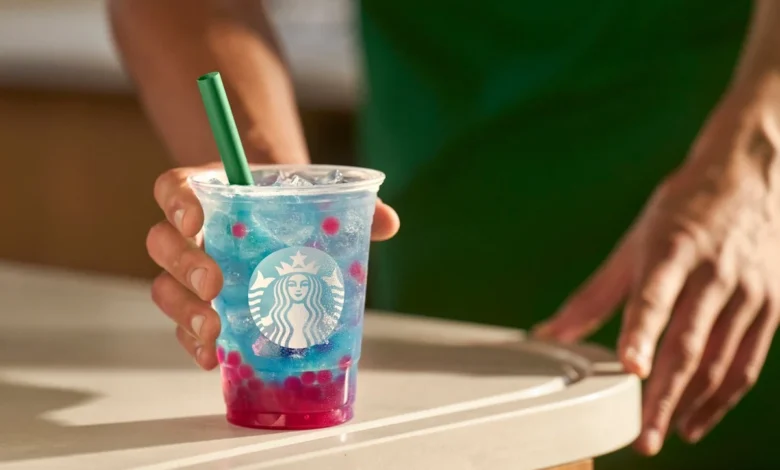
Recognizing the immense potential of EGC, several major brands are formalizing and significantly investing in employee creator programs. Starbucks, a global beverage giant, stands out as a pioneer in this space. Having established its "Green Apron Creators" program in 2024, the company is further expanding its initiatives this summer through a strategic partnership with TikTok’s Creator Network. This pilot program will see Starbucks sharing content briefs with selected employee creators and compensating them through an ad revenue-sharing model.
Erin Silvoy, Starbucks’ SVP of Global Marketing, articulated the company’s rationale in an emailed statement to Modern Retail: "Collaborating with TikTok gave Starbucks the opportunity to build a customized tool that allows us to celebrate and amplify our partners’ authentic storytelling." She added, "We are elevating those who already love Starbucks and share that passion every day. As we continue to innovate in the employee creator space, we see this pilot as an opportunity to learn, test and evolve what comes next." This strategic move by a brand of Starbucks’ scale not only validates the EGC model but also signals a significant commitment to empowering its workforce as integral marketing assets. Starbucks reports that its employees already post three times more content than employees at similarly sized retailers, often organically generating highly effective, unscripted advertisements that resonate deeply with consumers. Lucy Robertson, who heads the global brand marketing division at Buttermilk, a marketing agency, noted how some of these informal videos, even without overtly pushing products, elicit comments like, "This is the best ad for Starbucks I’ve ever seen." The irony, as Robertson points out, is that these impactful pieces of content often originate outside any formal corporate program, highlighting the organic desire of employees to share their brand experience.
Lia Haberman lauded the Starbucks-TikTok partnership as a "game changer," emphasizing the importance of compensating employees who have historically acted as both baristas and creators. She views the investment by two global behemoths like Starbucks and TikTok in EGC as "incredibly validating" for the entire field, setting a precedent for other corporations to follow. Robertson further described the new TikTok program as an "interesting middle ground" between spontaneous employee content and brands attempting to force trends, which often results in "very cringe" content—a cardinal sin for Gen Z audiences. By empowering employees rather than merely creating more content, Starbucks is tapping into an authentic voice while mitigating the risk of appearing inauthentic. However, Robertson also acknowledged the considerable challenge Starbucks faces in managing and overseeing "an immense amount of content and people."
Another prominent example is Dick’s Sporting Goods, which launched its "Varsity Team" creator program in 2021. Initially exclusive to employees, the program expanded to include external creators a year ago. To manage this growing network, Dick’s recently appointed "team captains" tasked with guiding and mentoring program members, including their employee creators. This structured approach helps maintain brand consistency and content quality while fostering a community of engaged advocates.
Global Innovations: Staff Start’s Model in Japan
The phenomenon of employee-generated content is not confined to Western markets; it is a global trend, with innovative solutions emerging worldwide. Japan, a country renowned for its advanced retail and technology integration, has seen significant success with platforms like Staff Start. This EGC company works with major clients such as New Balance and Levi’s, providing a dedicated app that enables employees to upload videos or pictures of themselves wearing outfits or using products. This content is then seamlessly integrated into the brand’s online product pages, creating a direct link between employee recommendations and e-commerce. Brands using Staff Start have the flexibility to set their own commission rates, further incentivizing employee participation and sales performance.
Yasuaki Onozato, CEO of Staff Start, explained the platform’s success in fostering a "person-driven form of buying." He noted that customers often develop a desire to "buy from that staff member" or even "meet that staff member," highlighting the deep personal connection facilitated by EGC. Onozato shared a remarkable anecdote from Japan: "we’ve even seen a case where a 90-minute line formed for a single store staff member." This level of personal influence translates directly into sales, with brands leveraging Staff Start reporting an average 1.5x conversion rate. One particularly successful EGC post under Staff Start generated an astounding 156.48 million yen (approximately $960,000) in sales, underscoring the immense commercial power of authentic employee advocacy.
Onozato affirmed that interest in Staff Start’s services is "unquestionably increasing," attributing this surge to "rising advertising costs and a growing tendency for consumers to trust authentic, true-to-life content from real people." Recognizing the global potential, Staff Start is actively exploring expansion into the U.S. and E.U. markets and is currently "redesigning the platform for Western UX" to cater to regional preferences and technological environments. This strategic expansion signals the universal applicability and growing demand for sophisticated EGC management tools.
Navigating the Challenges: Control, Compensation, and Saturation
While the benefits of EGC are clear, implementing and scaling such programs come with inherent challenges that brands must carefully navigate. One primary concern is maintaining brand control and consistency. As employee creators gain autonomy, there’s a delicate balance between empowering authentic voices and ensuring messaging aligns with brand values and marketing objectives. Brands must establish clear guidelines without stifling creativity or making the content appear overly corporate or "cringe."
Compensation is another critical factor. As Lia Haberman noted, it’s essential to compensate employees for the additional work and value they provide as creators. This can range from base salaries and affiliate commissions, as seen with Mephisto, to ad revenue sharing (Starbucks) or other forms of incentives. Fair compensation ensures employee buy-in, motivation, and a sense of being valued for their expanded roles.
The issue of scalability and oversight, as hinted at by Lucy Robertson concerning Starbucks, is also significant. Managing a large network of employee creators, monitoring content, ensuring compliance with advertising regulations (e.g., disclosure of paid partnerships), and providing ongoing support can become complex and resource-intensive. Brands might need dedicated internal teams or external partners, like Staff Start, to manage these programs effectively.
Finally, there’s the long-term question of saturation. As more brands adopt EGC, there’s a risk that the authenticity that currently makes it so powerful could diminish if the space becomes overcrowded with overly curated or forced employee content. The key for brands will be to foster genuine enthusiasm and provide a platform for employees to share their authentic experiences, rather than simply turning them into another cog in the marketing machine.
Training and Empowerment: Fostering Employee Creators
To successfully harness the power of EGC, brands must invest in their employees. This goes beyond simply providing a platform; it involves training and empowerment. Lia Haberman views training on best EGC practices as a necessity. Brands can offer workshops on video creation, storytelling techniques, camera confidence, and social media best practices. Sprout Social, for instance, recommends that brands provide employees with tips on how to appear confident on camera, recognizing that not everyone is a natural performer.
This training should also cover brand guidelines, ensuring employees understand the core message, tone of voice, and any legal or compliance requirements related to content creation. By equipping employees with the necessary skills and knowledge, brands can foster a confident and capable network of internal creators who genuinely embody and promote the brand. The "team captains" program at Dick’s Sporting Goods is an excellent example of a structured approach to mentoring and guiding employee creators, ensuring quality and alignment while empowering individual voices.
The Future of Retail Storytelling
The rise of employee-generated content does not necessarily signal the demise of traditional influencer marketing or celebrity endorsements. Brands like Starbucks continue to collaborate with external creators and celebrities, such as Ciara, recognizing the distinct reach and impact these partnerships can offer. Instead, EGC is likely to become an increasingly integral and complementary component of a holistic marketing strategy.
Experts like Lia Haberman see "tremendous power" in tapping employees to create engaging content, particularly for platforms like TikTok. She believes this trend is not just a fleeting fad but a fundamental shift that should have been embraced much earlier: "This is probably something that we should have all been doing 10 years ago," Haberman stated, reflecting on the missed opportunities in leveraging internal talent.
As advertising costs continue to climb and consumer skepticism towards traditional ads deepens, the authentic, relatable voices of employees offer a cost-effective and highly impactful alternative. EGC taps into the inherent human desire for connection and trust, transforming everyday employees into powerful brand storytellers. The retail landscape is evolving, and the brands that empower their staff to be both sellers and creators are poised to build stronger communities, foster deeper loyalty, and achieve unparalleled marketing success in the digital age.